Finding an apartment in the East Village can feel exciting and overwhelming at the same time. You may love the neighborhood’s energy, restaurants, and downtown location, but the rental search often moves fast and the housing stock comes with tradeoffs. If you want to rent here with fewer surprises, it helps to know what the market looks like, what buildings are most common, and how to prepare your paperwork before you tour. Let’s dive in.
East Village rental market basics
The East Village is one of Manhattan’s most active rental neighborhoods, and it is known for dense blocks, lively street life, and older apartment buildings. According to StreetEasy’s East Village neighborhood profile, the current median base rent is about $4,650.
That number is only part of the story. In the East Village, apartment hunting is often about balancing location and neighborhood energy with smaller layouts, older finishes, and limited brand-new inventory. StreetEasy notes that many apartments are small and may need updates, so layout and condition matter just as much as bedroom count.
What East Village buildings are usually like
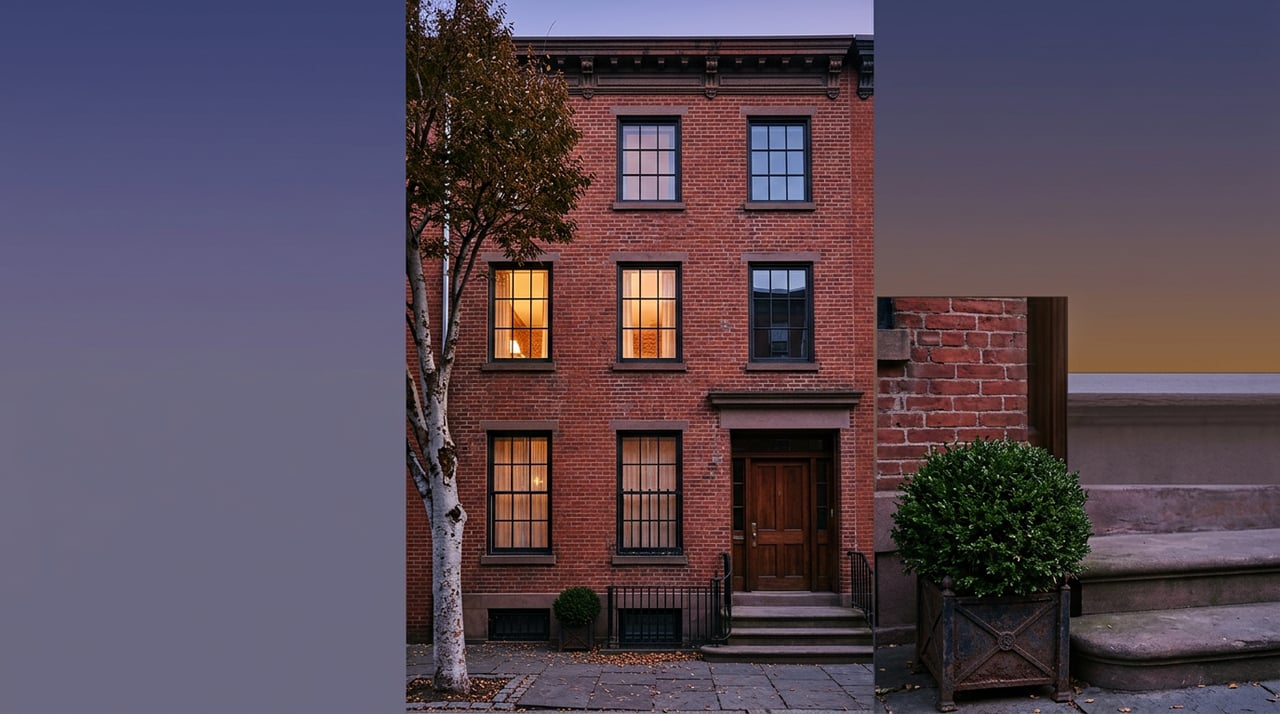
If you are apartment hunting here, expect a lot of prewar housing. The neighborhood’s historic built environment is shaped heavily by older buildings, including tenements, rowhouses, and other prewar structures.
The East Village/Lower East Side Historic District designation materials identify roughly 325 buildings in the district. The Historic Districts Council describes the area’s major character-defining building type as the tenement, typically five or six stories with four apartments per floor.
Expect many walk-ups
One of the biggest realities of renting in the East Village is the walk-up. StreetEasy’s guide to apartment types explains that a walk-up is a building without an elevator, usually under six floors.
In practical terms, that means you may need to decide how much stairs matter in your daily routine. A fourth-floor apartment with good light may sound great at a showing, but it can feel different when you are carrying groceries, moving furniture, or rushing out in bad weather.
Prewar charm comes with tradeoffs
Prewar apartments can be full of character. StreetEasy notes that these homes often feature patterned floors, plaster details, moldings, high ceilings, and sometimes larger windows.
At the same time, older apartments often come with smaller bathrooms, tighter closets, and less efficient layouts. In the East Village, that tradeoff is common, so it helps to look closely at how the apartment actually functions instead of focusing only on the listing description.
How to evaluate an East Village apartment
Because the neighborhood is dominated by older stock, your showing checklist should be practical. The goal is not just to decide whether a place looks good online. It is to understand how it will feel to live there every day.
Focus on layout first
A smart layout can make a smaller apartment feel much more livable. In many East Village rentals, room size alone does not tell the full story.
As you tour, pay attention to:
- Whether your bed and sofa can fit comfortably
- How much usable wall space the apartment has
- Whether the kitchen has enough prep and storage space
- If the bathroom feels tight for daily use
- Whether closets are limited or unusually small
Check the condition carefully
Older buildings can have a lot of personality, but condition varies from one unit to the next. Since East Village inventory often includes apartments that may need updates, it is worth looking beyond fresh paint.
At a showing, consider:
- Whether floors, walls, and windows seem well maintained
- If the kitchen and bathroom feel recently updated or dated
- How much natural light the unit gets
- Whether the apartment feels quiet enough for your needs
- How many flights of stairs you will realistically handle
Compare charm versus convenience
Some renters are happy to trade elevator access and modern finishes for location and neighborhood character. Others want a more updated building, even if that means fewer choices or a higher rent.
There is no single right answer. The key is being honest with yourself about what matters most, especially in a neighborhood where older walk-up inventory still defines the market.
Why East Village rentals move fast
Good rentals in New York can move quickly, and the East Village is no exception. According to StreetEasy’s rental application guide, renters should be prepared to bring printed and digital copies of their documents and be ready to apply on the spot.
If you wait too long to gather paperwork, you may lose time when it matters most. In a competitive downtown rental search, being organized can make the difference between applying the same day and missing the apartment altogether.
What documents you should have ready
For a typical market-rate NYC rental, StreetEasy says renters should be ready with:
- An employment verification letter
- Your three most recent pay stubs
- Your three most recent bank statements
- A federal tax return with W-2 or 1099
- Two forms of photo ID
- The application fee
StreetEasy also notes that many landlords use a 40x-the-rent income standard. If you are starting a new job, an employment letter may sometimes help support your application.
When you may need a guarantor
If your income or credit does not meet a landlord’s standards, a guarantor may help. According to StreetEasy’s guarantor guide, guarantors generally need to earn 80x the monthly rent, may need to live in New York State, and can sometimes be combined if one person alone does not meet the requirement.
This is important in the East Village because rents can be high relative to apartment size. If you think you may need a guarantor, it is best to line that up before you start touring seriously.
What fees and protections renters should know
NYC renters have stronger fee protections than many people realize. The NYC Tenant Bill of Rights says landlords cannot charge more than $20 for an apartment application, and security deposits are limited to one month’s rent.
The same city guidance says landlords must return the security deposit within 14 days after you move out, along with an itemized statement, and you have the right to a walk-through inspection.
Broker fee rules changed in 2025
Another major update affects broker fees. The NYC Department of Consumer and Worker Protection’s FARE Act FAQ says that as of June 11, 2025, landlords cannot pass along a landlord-hired broker’s fee to tenants.
The same guidance also requires tenant fees to be disclosed before signing. Renters can still choose to hire their own broker, but the final charges should be clear in writing before you commit.
What to expect at lease signing
Once your application is approved, the lease stage should be straightforward and fully documented. Based on city tenant-rights guidance, you should expect fees and required disclosures to be clearly spelled out before signing.
In most cases, you should be prepared to pay:
- First month’s rent
- A security deposit up to one month’s rent
That clarity matters in any NYC rental, but especially in a fast-moving market where you may feel pressure to decide quickly. A clear paper trail helps you understand what you are paying and why.
Best strategy for East Village apartment hunting
If you want a smoother search, the best approach is simple: prepare early, tour with a critical eye, and move quickly when the right apartment appears. The East Village is rarely about finding perfect, brand-new inventory at every turn. It is more often about identifying the right fit among older buildings, compact layouts, and fast decisions.
A few practical ways to stay ahead include:
- Set your must-haves before you begin touring
- Decide how many walk-up floors you can realistically handle
- Organize all documents before your first showing
- Ask direct questions about condition, layout, and fees
- Compare apartments based on livability, not just photos
If you are planning a move and want hands-on guidance through the rental process, Chana Ofek offers responsive, owner-led support with deep NYC market knowledge and a practical, client-first approach.
FAQs
What is the average rent for an East Village apartment?
- According to StreetEasy’s East Village neighborhood page, the median base rent is about $4,650.
What kinds of buildings are most common in the East Village?
- The neighborhood is defined largely by older prewar buildings, especially tenement-style walk-ups, with fewer newer developments.
What documents do you need to rent an apartment in the East Village?
- Typical NYC rental applications require an employment letter, recent pay stubs, recent bank statements, a tax return with W-2 or 1099, two photo IDs, and an application fee.
What income do landlords usually want for NYC rentals?
- StreetEasy says many landlords use a 40x-the-rent income guideline for market-rate rentals.
What does a guarantor need for an East Village rental?
- StreetEasy says guarantors generally need to earn 80x the monthly rent, may need to live in New York State, and can sometimes be combined.
How much can a landlord charge for a NYC rental application?
- The NYC Tenant Bill of Rights says landlords cannot charge more than $20 for an apartment application.
How much can a security deposit be for an East Village apartment?
- In NYC, the security deposit is limited to one month’s rent.
Do East Village renters still pay broker fees in 2025?
- Under the FARE Act, landlords cannot pass a landlord-hired broker’s fee on to tenants, though renters may still choose to hire their own broker.