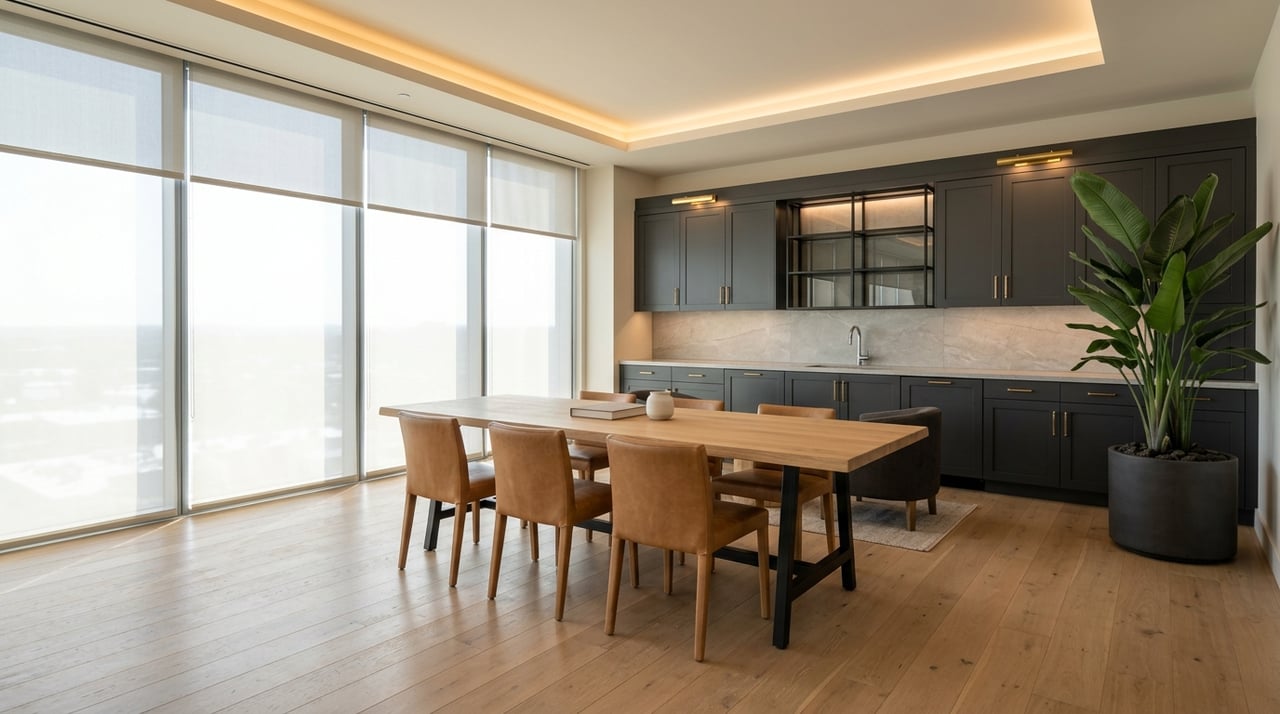
If you’re thinking about buying a condo in Hudson Yards, you’re probably asking a very specific question: is the premium actually worth it? This corner of Manhattan offers newer towers, polished amenities, and a highly planned live-work-play setup, but it also comes with higher purchase prices and carrying costs that deserve a close look. If you want to understand what you’re really paying for, how fees work, and whether the neighborhood fits your lifestyle, this guide will help you sort it out. Let’s dive in.
What Hudson Yards Feels Like
Hudson Yards is not a typical Manhattan neighborhood that evolved block by block over time. It was rezoned and built as a large mixed-use district on the Far West Side, with residential, office, retail, cultural, transit, and open-space uses planned together.
That planning shows up in the day-to-day experience. The district includes a five-acre Public Square and Gardens, a retail center of about one million square feet with more than 100 shops and dining concepts, and a broader 14 acres of open space. The 7 train extension also gives direct access at West 34th Street and 11th Avenue.
For some buyers, that level of coordination is the appeal. You get newer construction, modern systems, and a neighborhood where dining, fitness, shopping, and transit are closely integrated.
Hudson Yards Condo Prices Now
Hudson Yards is a selective condo market with relatively limited inventory. StreetEasy currently shows 63 homes for sale in the neighborhood, with a median asking price of $2.29 million.
New development remains a major part of the story here. StreetEasy also shows 45 new developments with a median asking price of $2.45 million, which helps explain why the area often feels tied to a luxury, full-service buyer profile.
By unit type, median asking condo prices are about $2.25 million for one-bedroom units and $3.6 million for two-bedroom units. Active listings average about $2,021 per square foot, which is above Midtown West and Hell’s Kitchen and close to Chelsea.
Closed-sale figures can look even higher, but context matters. PropertyShark’s Q1 2026 report put Hudson Yards at a $4.62 million median sale price, though that was based on only six transactions at 35 Hudson Yards, so the number is especially sensitive to a small sample and luxury unit mix.
What You’re Paying For
In Hudson Yards, buyers are often paying for more than square footage and location. Many buildings are designed around a service-heavy lifestyle, with staffing and amenity packages that resemble a hotel or private club more than a conventional condo.
At 15 Hudson Yards, official building materials describe a two-level lobby, a 50th-floor wellness level, a 51st-floor entertainment level, rooftop Skytop access, 24-hour concierge, valet, bicycle storage, in-home package delivery, housekeeping, dry cleaning, tailoring, shoeshine, priority restaurant reservations, event tickets, and on-site spa and beauty services.
At 35 Hudson Yards, the amenity program goes even further. Official materials describe private amenities on two floors, full-time concierge and doorman service, a resident fitness center, lounge and bar, billiards, golf simulator, private dining room, library, screening room, children’s playroom, board room, Grand Terrace, and Grand Dining Room, along with in-residence dining and spa services through Equinox Hotels.
The district itself adds another layer of convenience. Hudson Yards is built around the Public Square and Gardens, Vessel, The Shed, the High Line connection, and The Shops & Restaurants, which means many residents are drawn to the compressed convenience of having so much within the same footprint as their home.
Why Monthly Fees Can Run High
A high monthly fee in Hudson Yards does not automatically mean a bad value. In many cases, it reflects the staffing, operations, and amenity intensity of the building rather than just apartment size.
That matters because your true cost of ownership is not the purchase price alone. In New York City, condo buildings that are four stories or higher fall into tax class 2, and owners should budget for city property taxes in addition to monthly building charges.
In practical terms, you should evaluate any purchase based on total monthly cost. That means looking at common charges, property taxes, and any separate fees tied to services or amenities.
What to Review Before You Buy
Before you make an offer, it helps to look past the marketing language and confirm exactly what the building is providing. This is especially important in Hudson Yards, where lifestyle branding is often a major part of the value proposition.
The New York State Attorney General’s condo guide says buyers should read the full offering plan, consult an attorney before signing, and not rely on brochures or verbal promises. It also notes that recreational facilities, landscaping, and unit amenities must be described in the plan.
For an existing building, due diligence should go further than the listing sheet. The same guide recommends reviewing board minutes, recent financial reports, and violations so you can better understand likely capital needs such as façade, roof, elevator, plumbing, or electrical work.
Here’s a practical checklist to use when evaluating a Hudson Yards condo:
- Read the offering plan and any amendments
- Review the building budget and reserve fund information
- Ask about past or current assessments
- Check recent board minutes and capital plans
- Confirm which amenities are included in common charges
- Ask whether any services are billed separately
- Verify current property taxes
- Confirm whether any co-op/condo tax abatement applies
Tax Abatement Questions to Ask
Some buyers assume a tax abatement will significantly reduce carrying costs, but you should verify that instead of guessing. The New York City Department of Finance says co-op and condo tax abatement eligibility depends on factors including the building’s average assessed value and primary-residence verification.
Just as important, the filing is handled by the board or authorized agent, not by individual owners. That means you should confirm the building’s current status and not assume a benefit is active or meaningful for your specific unit.
In a luxury tower, even a valid abatement may not change the bigger affordability picture as much as buyers expect. It can help, but it should be viewed as one line item in a larger carrying-cost review.
Who Hudson Yards Fits Best
Hudson Yards tends to fit buyers who want newer construction and a more managed, service-oriented residential experience. If you value concierge support, on-site wellness, modern finishes, and quick access to retail, dining, and transit, the neighborhood may align well with how you want to live.
It can also appeal if you prefer a building-forward lifestyle. In Hudson Yards, the tower itself is often a major part of the purchase decision, not just the apartment inside it.
That said, fit matters as much as price. If you are drawn to a more eclectic street feel, a wider mix of building ages, or smaller-scale retail, nearby neighborhoods like Chelsea, Midtown West, or Hell’s Kitchen may feel more aligned with your preferences.
How to Decide If It Fits You
The best way to evaluate Hudson Yards is to be honest about your priorities. If convenience, newer systems, polished common spaces, and full-service living are high on your list, the premium may make sense.
If your priority is character, variety, or lower carrying costs relative to size, you may want to compare the numbers and daily experience with nearby options. StreetEasy data already suggest Hudson Yards commands a premium over Midtown West and Hell’s Kitchen on a per-square-foot basis, with pricing close to Chelsea.
A smart condo search here is less about chasing a headline price and more about matching your budget to the full lifestyle package. That means weighing the apartment, the building, the monthly burn, and the neighborhood experience together.
Buying in Hudson Yards can be a strong move if you go in with clear eyes about amenities, fees, and fit. If you want experienced, boutique guidance as you compare Manhattan options and pressure-test the numbers, Chana Ofek can help you make a smart, well-informed decision.
FAQs
What are condo prices like in Hudson Yards right now?
- StreetEasy currently shows 63 homes for sale with a median asking price of $2.29 million, plus 45 new developments with a median asking price of $2.45 million.
What do Hudson Yards condo monthly fees usually cover?
- Coverage varies by building, but in amenity-heavy towers, fees may support staffing, concierge services, shared spaces, wellness areas, and other building operations, so you should confirm exactly what is included and what is billed separately.
Why are Hudson Yards condo carrying costs often high?
- Carrying costs are shaped by both monthly building charges and New York City property taxes, and many Hudson Yards towers operate with high service and amenity levels that can increase monthly costs.
What documents should you review before buying a Hudson Yards condo?
- You should review the offering plan and amendments, board budget, reserve fund information, recent board minutes, capital plans, assessments, and current tax-abatement status with counsel.
Who is Hudson Yards a good fit for?
- Hudson Yards often fits buyers who want newer construction, concierge-driven service, on-site amenities, and a neighborhood where transit, retail, dining, and residential life are closely integrated.