There are neighborhoods in New York City that attract attention, and then there is Tribeca — the neighborhood that commands it quietly, without ever raising its voice.
South of Canal Street, where former industrial warehouses now house some of the most valuable residential real estate in the Western Hemisphere, Tribeca occupies a rare position in the Manhattan landscape. It is at once deeply historic and thoroughly modern, intensely private yet unmistakably prestigious. For buyers seeking the highest caliber of city living, it has no real peer.
A Neighborhood Built on Character, Not Convention
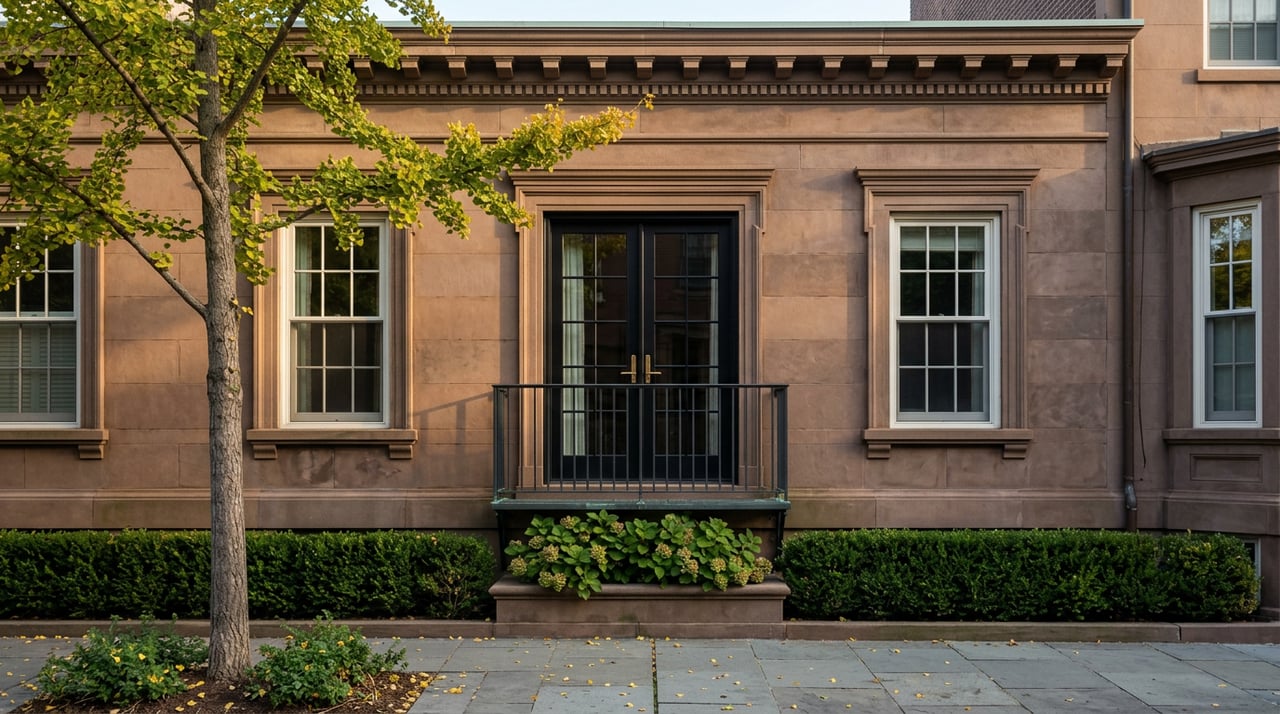
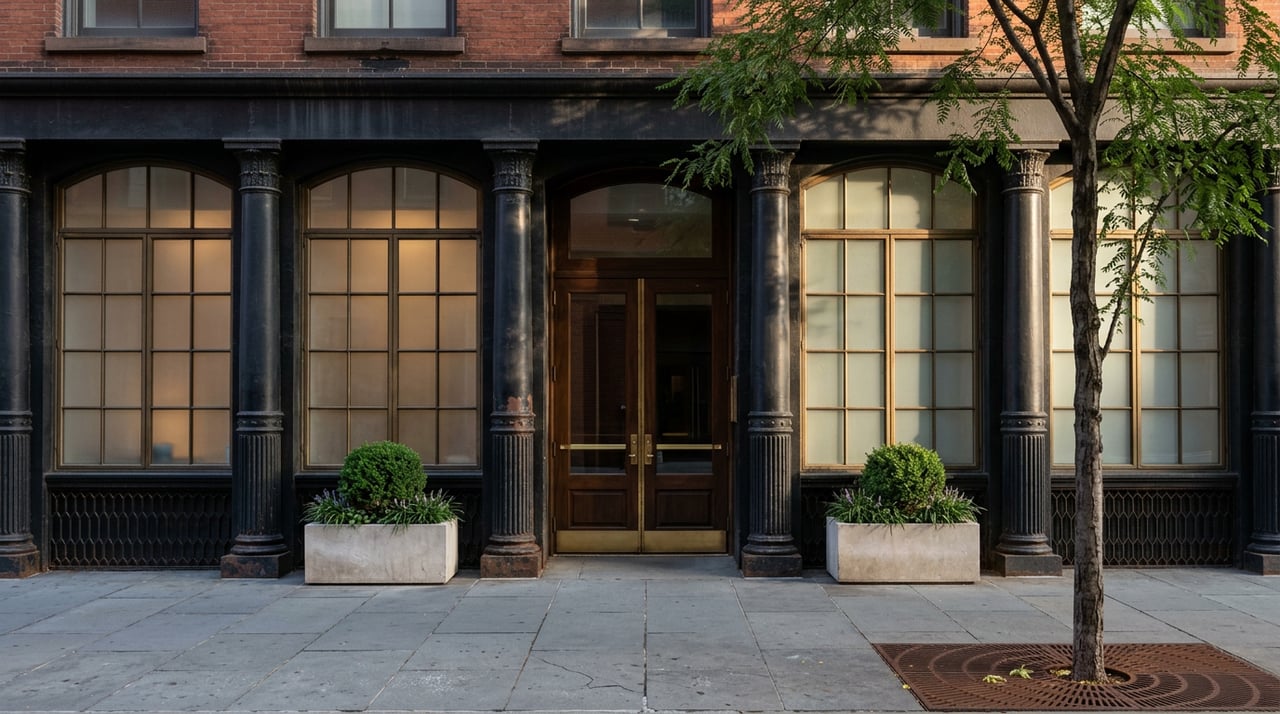
Tribeca's physical identity is unlike anything else in Manhattan. The neighborhood's architectural DNA is written in cast-iron facades, massive arched windows, and exposed timber beams — the bones of nineteenth-century commercial buildings that once stored textiles, cheese, butter, and eggs for the city's markets. Beginning in the 1970s, artists priced out of SoHo moved south and began converting these raw industrial shells into living spaces. What emerged was something New York had never quite seen: enormous loft residences with soaring ceilings, wide-plank floors, and the kind of natural light that simply cannot be engineered in new construction.
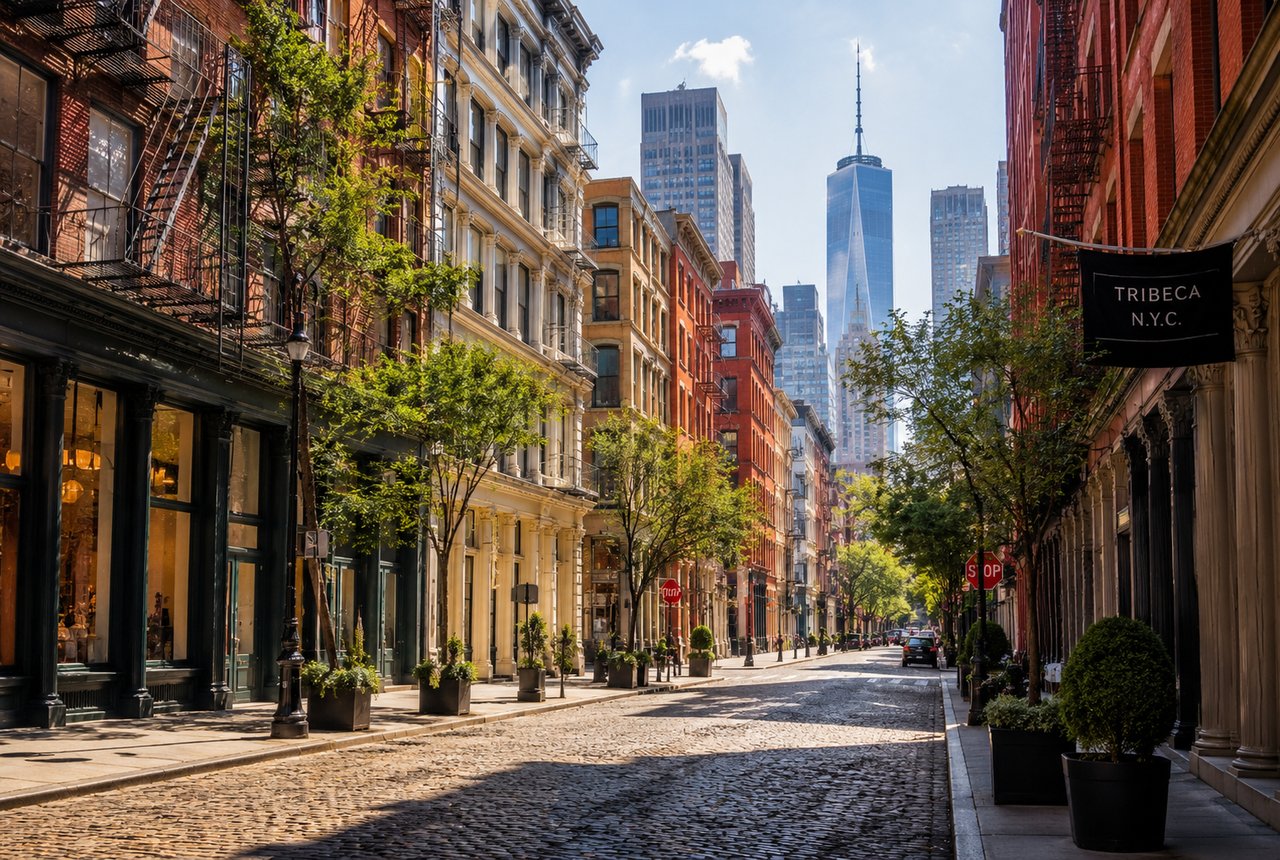
Walk along Harrison Street or Greenwich Street today and the layers of that transformation are visible everywhere. Cobblestone lanes run between Federal-era row houses and monumental Romanesque Revival warehouses. A former book bindery operates as a $25 million condominium. A onetime spice warehouse holds a penthouse with unobstructed Hudson River views. This is architecture that tells a story — and that story is a significant part of what buyers are paying for.
The Pull of Privacy and Permanence
Tribeca's reputation as a celebrity enclave is well earned, but the reason bold-faced names settle here has less to do with glamour and more to do with discretion. The neighborhood's low-rise streetscape, relatively sparse foot traffic, and keyed-entry buildings create a genuine sense of seclusion. Residents can walk their children to school on quiet, tree-lined sidewalks without navigating tourist congestion.
That family-friendly quality surprises many buyers encountering Tribeca for the first time. PS 234 and Stuyvesant High School rank among the most sought-after public schools in the city. Hudson River Park and Washington Market Park provide open space that is genuinely rare below 14th Street.
And then there is the dining. Nobu, the original Matsuhisa outpost that helped define modern Japanese cuisine in America, remains an anchor. Locanda Verde brings rustic Italian warmth to the landmark Greenwich Hotel. Frenchette earned two stars from the New York Times within months of opening. The Odeon, a neighborhood institution since 1980, still draws a knowing crowd after midnight.
Understanding the Market
Tribeca has ranked consistently among the most expensive residential markets in New York City for over a decade. Average sale prices sit well into the multi-million-dollar range, with premium properties — particularly full-floor lofts and high-floor residences with river exposure — routinely trading above $3,000 per square foot.
Supply is the defining constraint. Tribeca's compact footprint, landmarked blocks, and low owner turnover keep inventory tight. When a well-located loft or top-floor condo does come to market, competition is often immediate. Off-market transactions are more common here than in most Manhattan neighborhoods, which places a premium on broker relationships and local intelligence.
Demand draws from a deep buyer pool: Wall Street professionals, tech and media executives, international purchasers, and families upgrading from the West Village or Brooklyn Heights. The buyer profile skews toward those who have already owned property in New York and know precisely what they want — and what they are willing to pay for it.
What Savvy Buyers Should Know
Tribeca's housing stock splits between condominiums and cooperatives, and the distinction matters. Co-ops carry board approval requirements, subletting restrictions, and financing limitations that can catch unprepared buyers off guard. Condos offer greater flexibility but typically command a price premium. Understanding which structure aligns with a buyer's financial profile and long-term plans is essential — and it is one of many reasons that working with a broker who operates inside this market daily is not optional but necessary.
Finding Your Place in Tribeca
Tribeca does not need to sell itself. Its cobblestone streets, landmark architecture, world-class restaurants, and unwavering exclusivity speak clearly enough. The question is not whether Tribeca is worth the investment — the market has answered that decisively, year after year. The question is whether you have the right guidance to navigate it.
If you are considering a purchase in Tribeca or anywhere in Manhattan, I would welcome the conversation.