Is buying a Tribeca condo as an investment a smart move? It can be, but this is not the kind of market where you can rely on shortcuts or simple cash-flow math. In Tribeca, high entry prices, building rules, and a luxury renter pool all shape the outcome, so it helps to look at the details before you commit. If you are thinking about buying here, this guide will walk you through the factors that matter most. Let’s dive in.
Why Tribeca Attracts Investors
Tribeca sits in a very different category from many other rental neighborhoods in New York City. StreetEasy places the neighborhood at about a $3.5 million median sale price and a median base rent of $7,897, which shows how firmly it sits in the luxury segment.
That matters because Tribeca is usually not a value-buy or high-yield play. It is better understood as a premium, low-inventory market where buyers often focus on long-term asset quality, strong tenant appeal, and resale positioning.
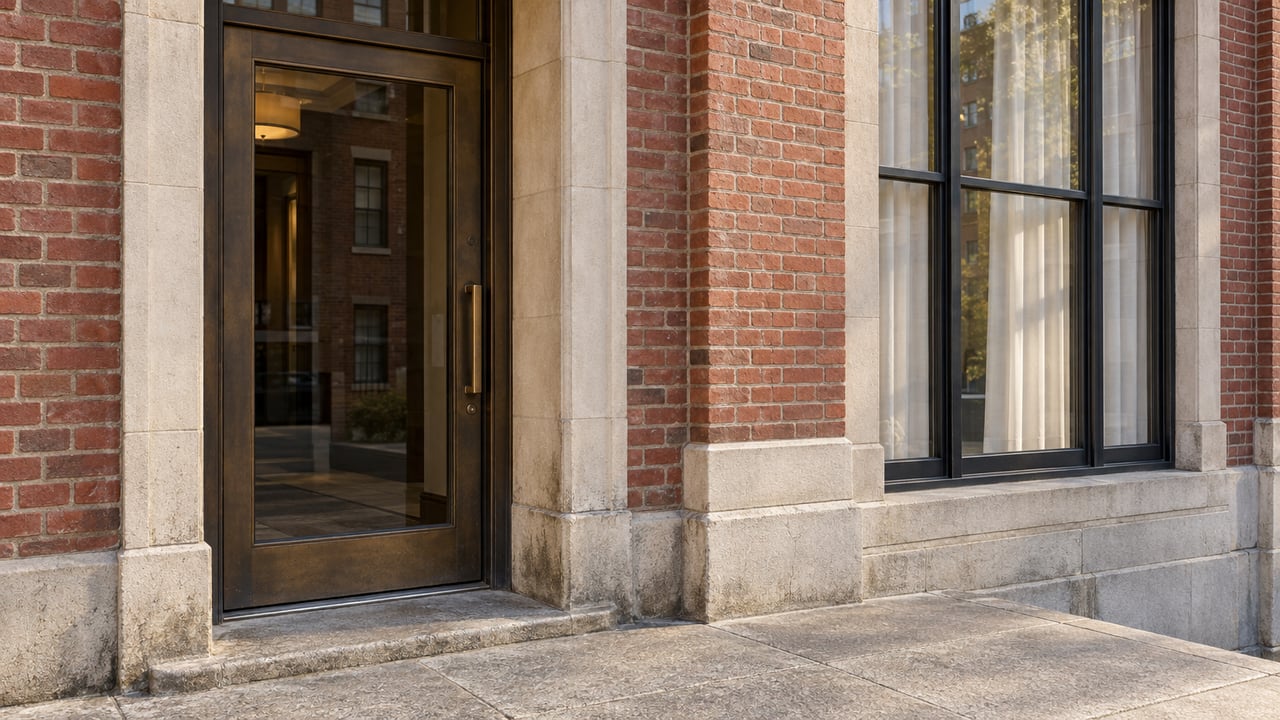
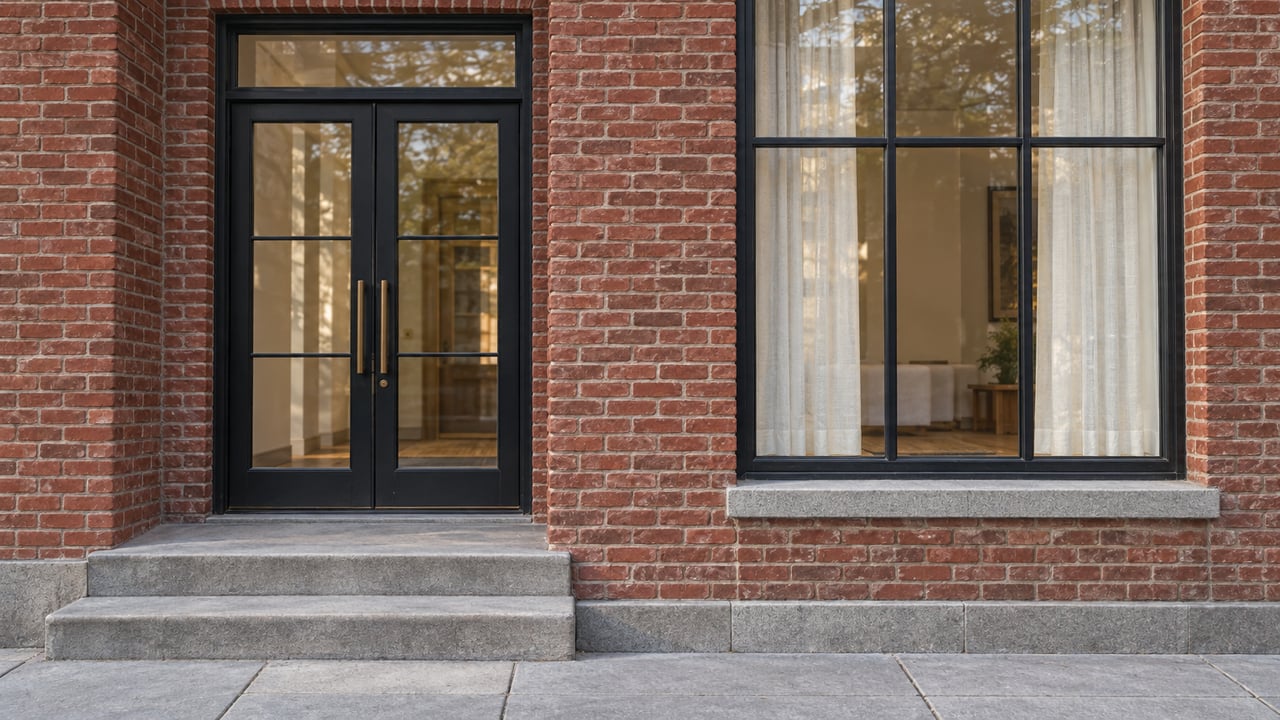
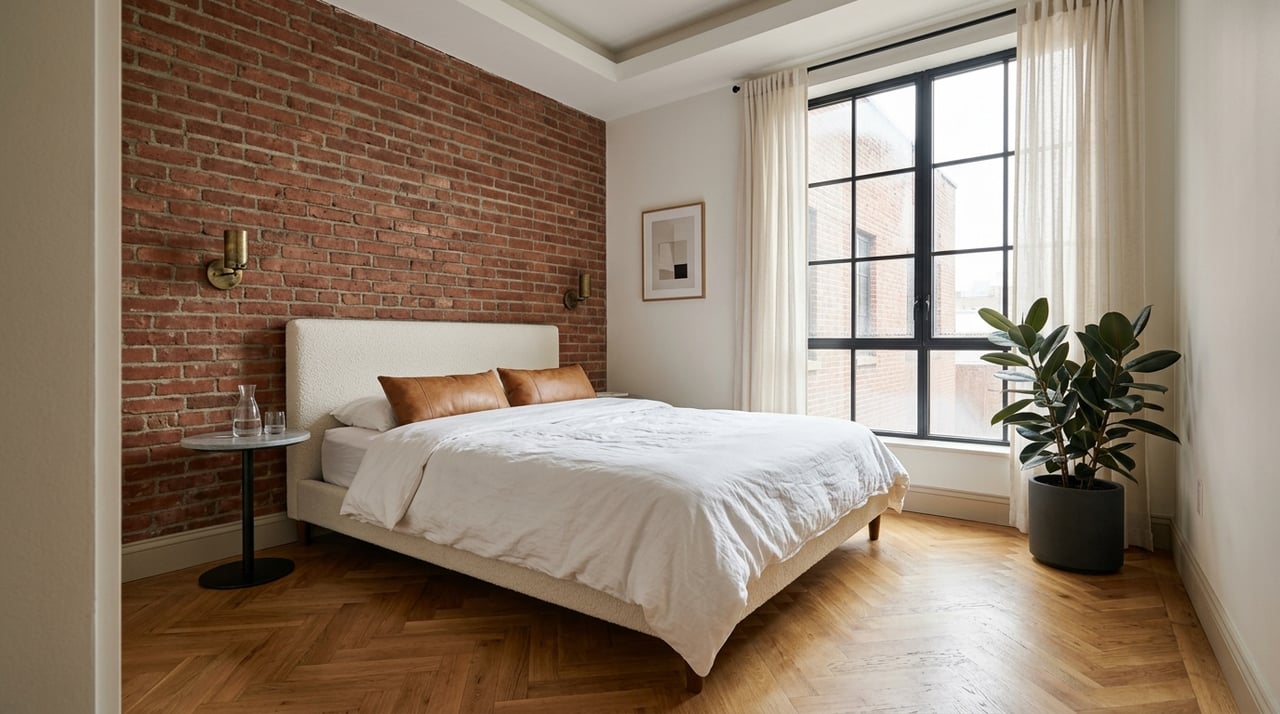
StreetEasy also notes that Tribeca’s housing stock includes many converted warehouse buildings with large, light-filled lofts. That character, along with convenient access to the Financial District, helps support demand from professionals looking for space, design, and location in one package.
Underwrite Tribeca As a Long-Term Hold
One of the biggest mistakes investors can make is treating Tribeca like a short-flip opportunity. The cost of getting in and out of the market can be significant, and that alone can make a short hold harder to justify.
New York State imposes transfer tax on conveyances over $500, plus a 1% mansion tax when the purchase price reaches $1 million or more. New York City adds its own real property transfer tax, and if you finance the purchase, mortgage recording tax also applies when the mortgage is recorded.
In practical terms, those layered closing costs can eat into returns if your plan is to sell quickly. For many buyers, a multi-year hold period is the more realistic framework.
That lines up with broader ownership patterns in the city. PropertyShark reports that Manhattan condo owners held for 11.5 years on average in 2025, while properties over $3 million had an average tenure of 9.9 years. Since Tribeca squarely sits in the luxury price bracket, patience is often part of the strategy.
Know the Condo Rules Before You Buy
Not every condo offers the same leasing flexibility. While condos are often more rental-friendly than co-ops, you still need to review the specific building documents before making assumptions.
The New York State Attorney General says condominium sales are made pursuant to an offering plan, and boards must follow the condo’s declaration, by-laws, and house rules. Buyers are advised to read the full offering plan before signing, and the board must make key documents available for inspection.
For an investor, this is one of the most important parts of due diligence. You want to confirm whether there are any limits on leasing, use restrictions, approval procedures, or house rules that could affect your ownership plans.
A condo may look ideal on paper, but if the building’s rules create friction around rentals, your investment thesis can change quickly. The unit and the building have to work together.
Do Not Assume Short-Term Rental Income
If you are picturing Airbnb-style income, pause there. In New York City, that is not the standard investment model for a Tribeca condo.
The NYC Office of Special Enforcement says you cannot rent out an entire apartment or home for fewer than 30 days. It also states that the host must be present for short stays, and short-term rental registration is required for the limited legal situations that do exist.
OSE also warns that illegal short-term rentals can lead to fines and enforcement action. For most buyers, that means the real investment case in Tribeca is based on long-term leasing, not short-stay turnover.
Focus on Layout, Not Just Square Footage
In Tribeca, layout quality can matter as much as size. The neighborhood is known for lofts and larger homes, but not every large apartment lives well.
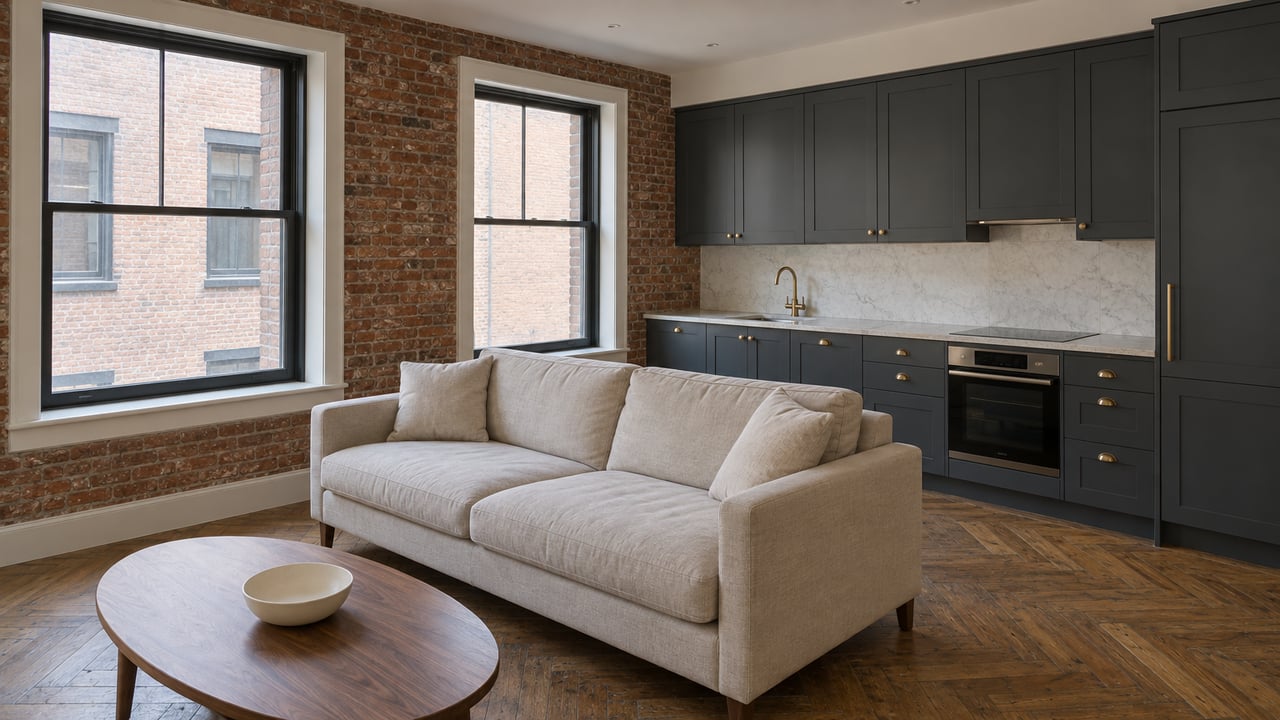
A unit with efficient room flow, strong natural light, and useful storage will often have broader appeal than one with awkward circulation or too much wasted space. That is especially true at Tribeca price points, where renters expect a home that feels polished and practical.
StreetEasy’s neighborhood snapshot shows listings spanning studios through larger homes, but the broader Manhattan rental market gives useful context. New-construction rentals tend to be weighted toward studios and one-bedrooms, while two- and three-bedroom units are relatively scarce and face stronger competition.
For many investors, that suggests a well-designed one-bedroom or two-bedroom condo may offer a strong balance of renter demand and long-term flexibility. The key is not just bedroom count. It is whether the space feels easy to live in.
Updated Finishes Help Protect Rentability
Tribeca buyers often pay for character, but renters still respond to condition. An older loft can absolutely compete, yet dated interiors may underperform compared with renovated homes that feel current and move-in ready.
StreetEasy found that newer Manhattan rentals built since 2010 had a median asking rent of $5,600, compared with $3,975 for prewar buildings. While prewar rent growth narrowed the gap, the takeaway is still clear: presentation and updates matter.
In Tribeca, that usually means paying attention to kitchens, baths, lighting, storage, and overall finish level. If you are comparing two similar units, the one that feels more refined and functional may be easier to lease and easier to resell later.
This is one reason design-minded preparation can create real value. In a luxury segment, renters and future buyers often notice the details quickly.
Amenities Can Strengthen Your Position
Luxury renters in New York City are paying closer attention to how a home supports daily life. Amenity preferences have shifted toward features that make staying home more comfortable and convenient.
StreetEasy reported strong growth in searches for outdoor space, pools, and gyms. Its rental trend coverage also highlighted rising interest in playrooms, furnished units, fitness centers, and in-unit central air.
For a Tribeca condo investment, the most useful features often include:
- In-unit laundry
- Central air
- Private outdoor space
- Modern kitchens and baths
- A credible fitness offering
- Full-service or well-managed building amenities
You do not need every luxury feature to make a condo competitive. But when two properties are similarly priced, a stronger amenity package can improve both rentability and resale appeal.
Property Taxes Need a Realistic Review
It is also important to underwrite taxes correctly. NYC classifies condos as Class 2 properties, and property taxes are billed quarterly or semiannually.
Some buyers hear about the co-op and condo tax abatement and assume it applies across the board. It does not. NYC says that abatement is limited to units that are the owner’s primary residence, and condo owners do not qualify if the unit is owned by an LLC or sponsor.
For an investment condo, you should not automatically assume owner-occupant tax relief. That can make a meaningful difference in your carrying-cost analysis.
Building Appeal Matters at Resale
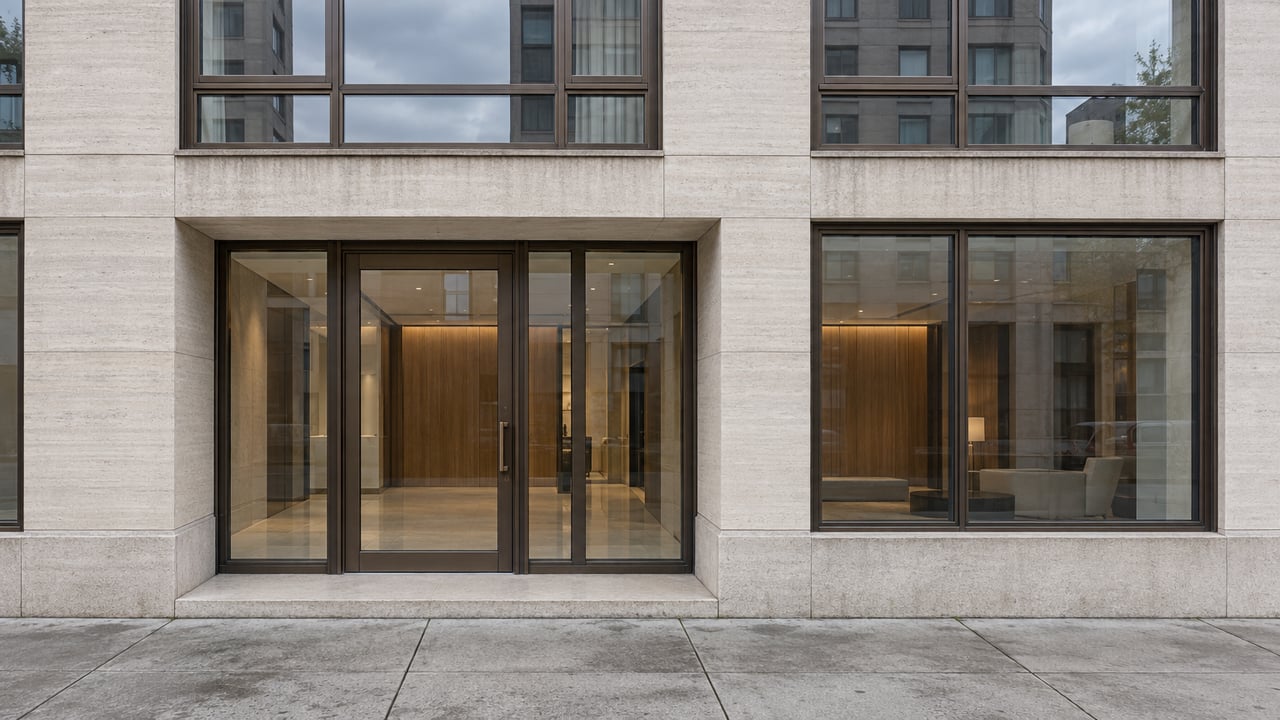
When you buy in Tribeca, you are not only buying a unit. You are also buying into the reputation, condition, and market position of the building itself.
Douglas Elliman’s Q4 2025 Manhattan report showed a condo median sales price of $1.661 million, average price per square foot of $2,099, and 78 days on market. In the luxury segment, the median sales price was $6.038 million and days on market stretched to 105.
That tells you resale may take time, especially at the high end. Choosing a building with broad appeal, solid management, and features that continue to attract both renters and buyers can support your exit when the time comes.
A beautiful apartment in a less compelling building may be harder to move than a strong unit in a well-positioned condo. In Tribeca, building quality is part of the investment.
Compare Tribeca to Nearby Markets Carefully
It is tempting to compare Tribeca with nearby prime neighborhoods and assume the same strategy works everywhere. The data suggests a more nuanced approach.
StreetEasy’s 2025 year-in-review ranked Tribeca first for rents, while SoHo ranked first for sales. The Financial District, meanwhile, sits in a more inventory-heavy category, with new rentals heavily weighted toward studios and one-bedrooms.
That contrast matters. Tribeca tends to perform more like a prestige, quality-tenant, long-hold market than a high-volume rental market.
If your goal is to buy a condo investment here, you should be looking for durability over speed. The strongest opportunities are often the ones that combine layout quality, building strength, renter appeal, and a holding period long enough to absorb acquisition costs.
A Practical Tribeca Investment Checklist
Before you move forward on a purchase, make sure you review these points closely:
- Confirm the condo’s by-laws, declaration, house rules, and offering plan
- Verify leasing rules and any limits that affect investor ownership
- Underwrite the property as a long-term rental, not a short-term rental
- Review purchase and exit taxes with care
- Check whether your tax assumptions rely on a primary-residence abatement
- Evaluate the layout for flow, storage, and natural light
- Look closely at finish quality and renovation level
- Compare the building’s amenity package with competing inventory
- Consider the building’s broader resale appeal, not just the unit itself
A thoughtful purchase in Tribeca can make sense, but the market tends to reward discipline. When you buy well, plan for a realistic hold, and focus on true renter demand, you give yourself a stronger chance of building long-term value.
If you are weighing a Tribeca condo as an investment and want a practical, hands-on view of the numbers, the building, and the renter appeal, Chana Ofek can help you evaluate the opportunity with clear, experienced guidance.
FAQs
What makes a Tribeca condo investment different from other Manhattan neighborhoods?
- Tribeca is generally a premium, low-inventory luxury market with high sale prices and strong rents, so buyers often focus more on long-term asset quality and tenant appeal than on high-yield, short-term returns.
What should you review in a Tribeca condo building before buying as an investor?
- You should review the offering plan, by-laws, declaration, and house rules to confirm any leasing restrictions, approval processes, or use rules that could affect your ability to rent the unit.
Can you use a Tribeca condo as a short-term rental investment?
- In most cases, you should not underwrite a Tribeca condo as a short-term rental because NYC rules generally prohibit renting an entire apartment for fewer than 30 days and impose strict requirements on the limited legal exceptions.
How do taxes affect a Tribeca condo investment purchase?
- Your costs may include New York State transfer tax, mansion tax at $1 million and above, New York City transfer tax, and mortgage recording tax if you finance, so these costs can weigh heavily on short hold periods.
Does a Tribeca investment condo qualify for the NYC condo tax abatement?
- You should not assume that it does, because NYC says the co-op and condo tax abatement is limited to units used as the owner’s primary residence and does not apply in certain ownership structures such as LLC ownership.
What features help a Tribeca condo rent more easily?
- Strong layout, natural light, useful storage, updated kitchens and baths, in-unit laundry, central air, and appealing building amenities can all improve rentability in Tribeca’s luxury segment.
Why does the building matter so much for a Tribeca condo investment?
- The building influences leasing experience, buyer perception, and resale timing, so strong management, broad market appeal, and a competitive amenity package can matter almost as much as the unit itself.