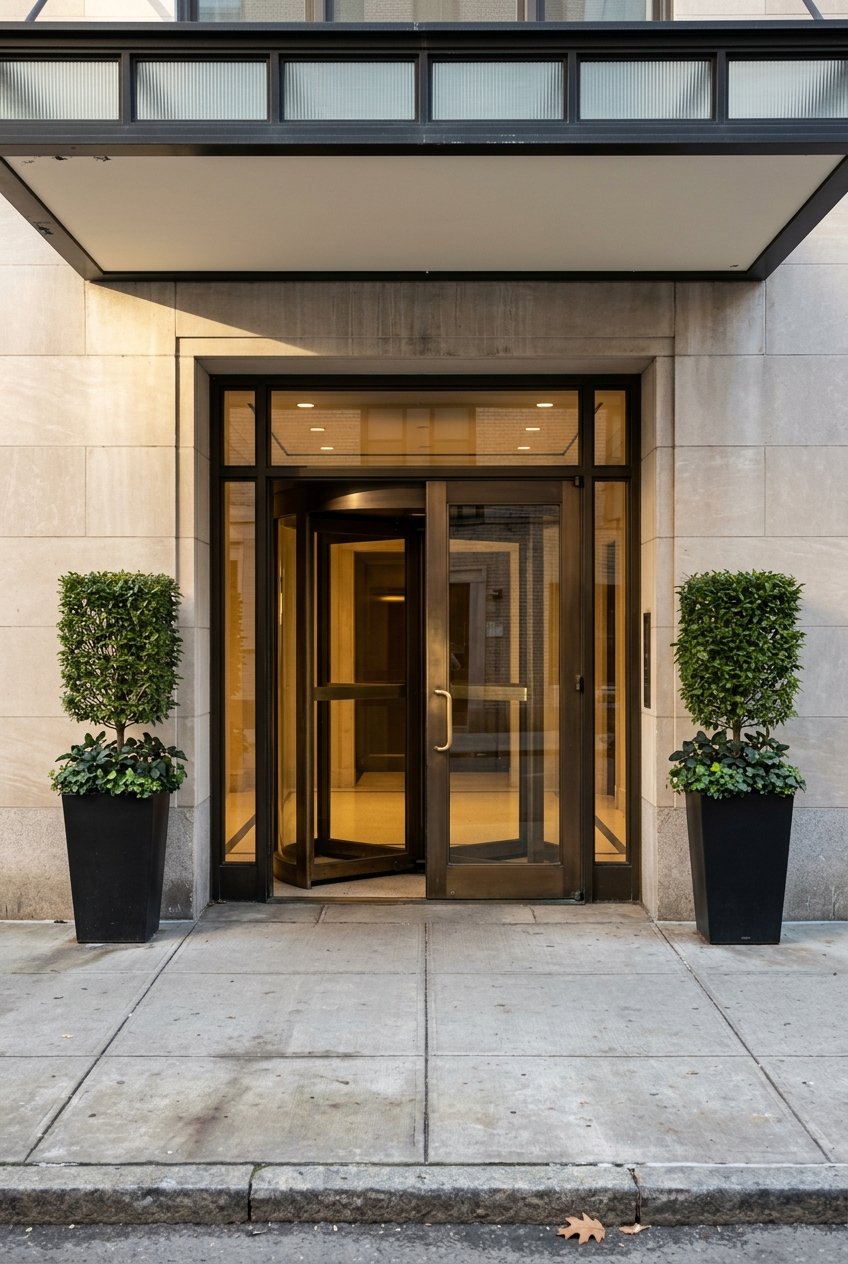
If you are shopping on Central Park West, it is easy to get swept up by the address alone. Park frontage, iconic towers, and classic prewar character can make almost any listing feel special at first glance. But to evaluate a home well here, you need to look past the romance and focus on how the apartment, the building, and the ownership structure will affect your daily life and long-term costs. Let’s dive in.
Start With The Central Park West Setting
Central Park West is not just another Manhattan avenue. It runs along the park’s western edge, and that park relationship is a major part of its appeal. According to the Central Park Conservancy map, Central Park stretches from 59th to 110th Streets between Fifth Avenue and Central Park West, which helps explain why this corridor carries such a distinct location premium.
A second factor matters just as much: regulation. The corridor sits within the Upper West Side/Central Park West Historic District, designated by the Landmarks Preservation Commission in 1990. That means many exterior elements, including façades, windows, and certain alterations, may be subject to landmark oversight.
For you as a buyer, that changes the evaluation process. You are not only buying square footage and a view. You are also buying into a building and streetscape shaped by historic character and preservation rules.
Understand Why CPW Feels Different
Much of Central Park West’s identity comes from its large apartment houses built in the late 1920s and early 1930s. The Landmarks Preservation Commission describes the avenue as one of New York’s finest residential streets, with park-side avenues especially desirable. Buildings like the Century, San Remo, Majestic, and Eldorado are central to that story.
That architectural profile affects how a home feels in practice. On CPW, you are often comparing residences in towered prewar buildings with strong visual identity, formal layouts, and a building form that is hard to replicate elsewhere. That is part of the value, but it can also mean older floor plans, stricter renovation parameters, and building-specific rules that deserve close review.
Evaluate The Park View Carefully
A “park view” on Central Park West is not a simple yes-or-no feature. The quality of the view can vary widely depending on whether the apartment has direct frontage, an angled park exposure, a partial side view, or a higher-floor perspective. Even when two listings both mention the park, the day-to-day experience can be very different.
Floor height is a big part of that equation. So is the surrounding building massing along the avenue. Based on the park’s geography and the scale of nearby apartment houses, a lower floor with frontage may feel very different from a higher floor with a broader outlook or a side-facing unit with only a partial visual connection.
When you tour a listing, try to judge the view in practical terms instead of marketing terms. Ask yourself:
- Is the park visible from the main living spaces or only from one room?
- Is the view direct, angled, or partial?
- Does the floor height improve openness and light?
- Will the view feel meaningful in daily life, not just in photos?
Look Beyond Finishes
Beautiful staging and updated surfaces can make a strong first impression, especially in a design-conscious market. Still, the New York State Attorney General advises buyers to inspect the physical building systems, not just the cosmetic presentation. That includes the façade, roof, flooring, elevators, heating and cooling, windows, electrical wiring, and plumbing when evaluating a co-op or condo purchase.
On Central Park West, this matters even more because many buildings are older and many are landmarked. A home can look move-in ready while still carrying questions about windows, building infrastructure, or future repair planning. Routine-looking work may also fall under preservation review depending on the scope and location.
As you compare listings, separate what is decorative from what is structural or operational. New stone countertops may be nice, but building systems, window condition, elevator reliability, and heating or cooling performance will have a bigger impact over time.
Test The Layout For Daily Living
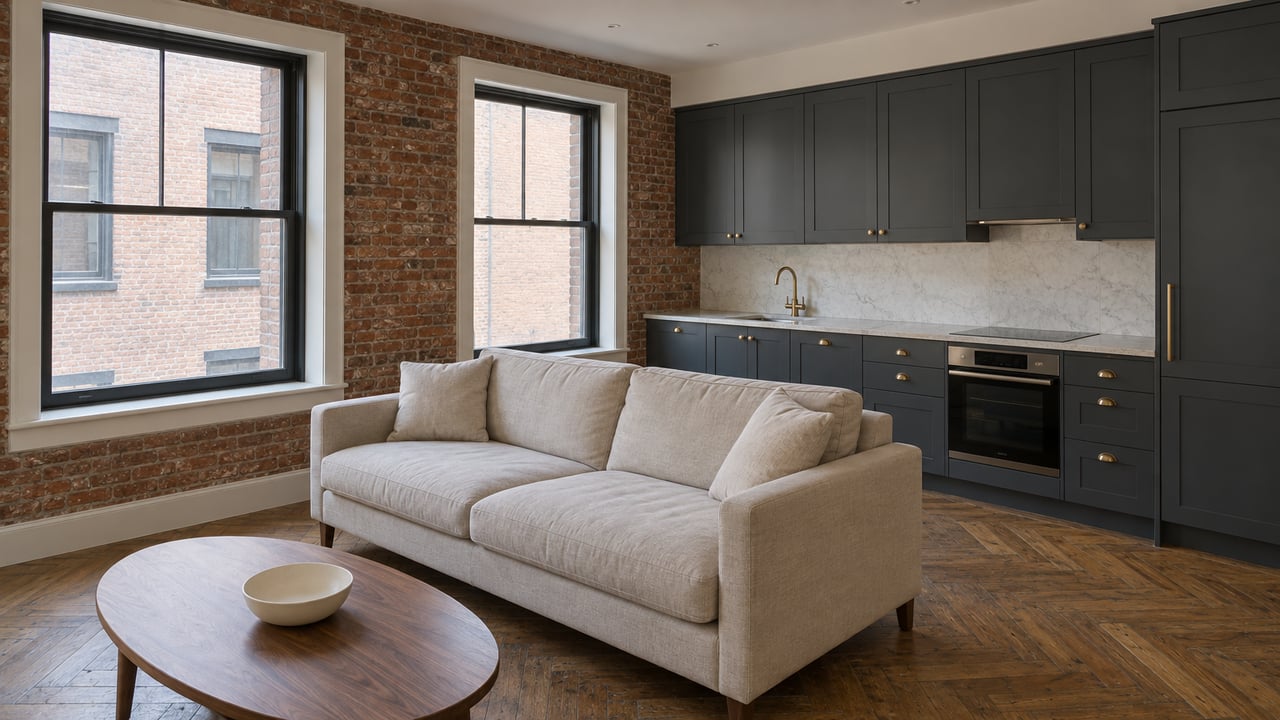
On CPW, some homes photograph better than they live. That is why layout deserves its own review. The most useful questions are practical ones: how efficiently the apartment flows, how much space is lost to hallways, and whether room shapes support the way you actually live.
Prewar homes often offer attractive proportions and character, but they can also include formal circulation patterns or room arrangements that feel less flexible for modern routines. That does not make them worse. It just means you should judge the layout based on your own priorities rather than the listing copy.
As you walk through a unit, consider:
- Whether the main rooms connect naturally
- How much usable wall space each room offers
- Whether bedrooms feel private and functional
- If the kitchen supports your real cooking and hosting habits
- How much of the footprint is truly useful versus transitional
Know If It Is A Co-op Or Condo
Central Park West buyers will encounter both cooperatives and condominiums, and the difference is not just technical. It shapes ownership, monthly costs, governance, and what day-to-day life may look like in the building.
In a co-op, you buy shares in a corporation and receive a proprietary lease rather than direct title to the apartment. The New York State Attorney General’s co-op guidance notes that maintenance is based on the number of shares allocated to the unit, and that board-elected rules, bylaws, and the proprietary lease can affect subletting, renovations, and everyday policies.
In a condo, you hold title to the unit plus an undivided interest in the common elements. The Attorney General’s condominium guidance explains that the offering plan governs the building’s promised features and amenities, which is why buyers should rely on official documents rather than brochures or verbal statements.
Here is a simple comparison:
| Feature | Co-op | Condo |
|---|---|---|
| Ownership | Shares in corporation plus proprietary lease | Title to unit plus common interest |
| Monthly payment | Maintenance | Common charges |
| Governance | Board rules and house policies play a major role | Governed by condo structure and offering plan |
| Buyer review focus | Latest bylaws, lease, house rules, sublet and renovation policies | Offering plan, common charges, building features |
If you are looking at multiple CPW homes, do not treat co-op versus condo as a footnote. It should be one of the first filters in your evaluation.
Read Monthly Charges As A Story
On Central Park West, monthly carrying costs are more than just a number to fit into your budget. They can also tell you something about how the building is staffed, maintained, and planned for the future.
The Attorney General notes that co-op maintenance is tied to share allocation, while condo budgets project common charges and itemize categories such as labor, heating, utilities, water and sewer, repairs and maintenance, service contracts, insurance, management fees, legal and audit fees, contingency, and reserve fund in the governing documents described for co-ops. The reserve question is especially important because it points to whether the building is planning responsibly for major repairs and replacement items.
That means a higher monthly number is not automatically a negative, and a lower one is not automatically a bargain. You want to understand whether the charges align with the service level, the age and condition of the building, and the capital needs that may be coming.
Check Renovation Limits Early
If you are considering updates, do not wait until after contract to think about approvals. On Central Park West, renovation feasibility is often part of the purchase decision itself.
Because many CPW buildings sit in a historic district, exterior-related work may be governed by Landmarks Preservation Commission rules. According to the LPC rules and guides, some projects can be approved by staff while others require full Commission review. Windows, façade work, HVAC penetrations, and exterior changes are all examples of items that may trigger oversight.
You may also need building approval on top of LPC review. In a co-op especially, house rules and board policies can shape what work is permitted, when it can happen, and how extensive it can be. If your vision depends on changing windows, altering systems, or doing meaningful construction, make that part of your evaluation from day one.
Decide If The CPW Premium Makes Sense For You
The strongest case for paying a premium on Central Park West usually comes down to a combination of park frontage, historic architecture, and a residential experience that is difficult to recreate elsewhere. The setting is distinctive, and the building stock can offer a sense of permanence and character that many buyers value deeply.
At the same time, that premium often comes with tradeoffs. You may be accepting stricter renovation controls, older floor plans, and more complex building governance in exchange for protected views, architectural significance, and a one-of-a-kind address. The right question is not whether CPW is objectively worth it. The better question is whether this specific home justifies its premium for the way you want to live.
A practical final checklist includes these questions:
- Is the park view truly direct, partial, or mostly implied?
- Does the layout work better in person than it does online?
- Do the monthly charges match the building’s condition and services?
- Is the ownership structure a fit for your plans?
- Would future work require building approval, LPC approval, or both?
If you are weighing a Central Park West purchase, a careful review can save you from paying for a headline without understanding the full picture. The right home here is not just impressive on paper. It is the one that balances location, building quality, ownership rules, and daily livability in a way that fits your goals. If you want a thoughtful second opinion on a CPW listing or help comparing Manhattan options, Chana Ofek offers hands-on, boutique guidance with a practical eye for both details and lifestyle fit.
FAQs
How should you evaluate a park view in a Central Park West apartment?
- Treat the view as a spectrum by checking whether it is direct, angled, partial, or from a higher floor, and judge how much it affects light and daily enjoyment.
What should you inspect beyond finishes in a Central Park West home?
- Focus on building systems and condition, including windows, plumbing, electrical, elevators, heating and cooling, roof, and façade, not just updated surfaces.
What is the difference between a co-op and condo on Central Park West?
- A co-op gives you shares in a corporation and a proprietary lease, while a condo gives you title to the unit, and each structure has different rules, documents, and monthly costs.
Why do landmark rules matter when buying on Central Park West?
- Many CPW buildings are in a historic district, so exterior changes like windows, façade work, or HVAC penetrations may require LPC review and can affect renovation plans.
How should you judge monthly maintenance or common charges on Central Park West?
- Read them as a sign of how the building is run by comparing the charges with services, upkeep, and reserve planning rather than looking at the total alone.