Selling an Upper West Side co-op can feel like two jobs at once. You are not only preparing your apartment to impress buyers, but also getting ahead of the building paperwork and board process that can shape the entire deal. If you want a smoother sale, better presentation, and fewer last-minute surprises, the key is to prepare earlier than you think. Let’s dive in.
Why Upper West Side co-ops need extra prep
The Upper West Side co-op market has a lot of character, but it also has a housing stock that often includes larger prewar buildings and apartments that buyers may see as dated or tight on storage. On StreetEasy’s Upper West Side neighborhood page, the median sale is about $1.2 million and median days on market is 62 days. Douglas Elliman’s decade survey for Upper West Side co-ops also reports a median sales price of $940,000, an average sales price of $1.443 million, an average price per square foot of $1,234, and 1,151 closed sales, as summarized on the same page.
That context matters because buyers in this part of Manhattan often compare light, layout, storage, and condition very quickly. In a co-op building with older inventory, small presentation issues can stand out fast. That is why thoughtful prep is often one of the most important parts of the selling strategy.
Start with what buyers notice first
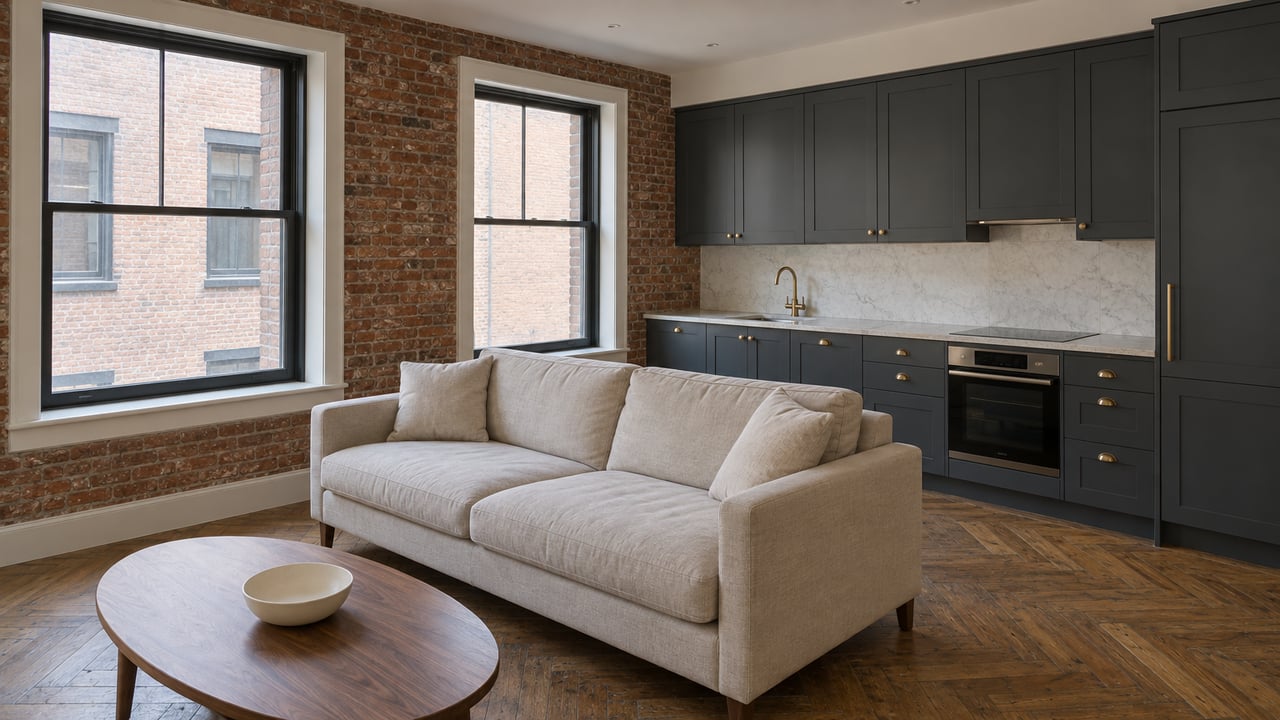
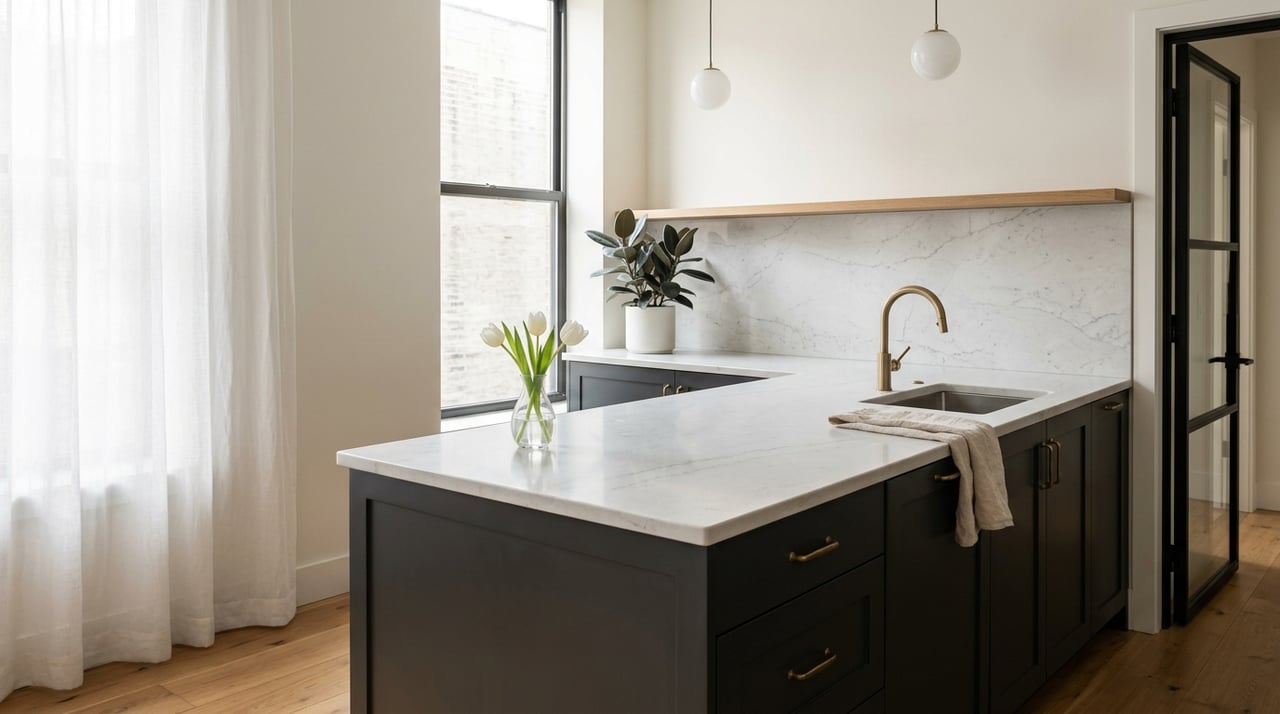
Before you think about the board package, start with the apartment itself. Buyers usually respond to what feels bright, clean, functional, and move-in ready, especially when they are touring multiple homes in one afternoon.
According to the 2025 NAR staging survey, 29% of agents said staging produced a 1% to 10% increase in the dollar value offered, and 49% said staging reduced time on market. Buyers’ agents also identified the living room, primary bedroom, and kitchen as the most important rooms to stage.
For many Upper West Side co-ops, that does not mean a full renovation. It usually means making the space feel more open, more current, and easier to understand.
Focus on light updates
The 2025 NAR Remodeling Impact Report points to strong resale recovery for smaller projects such as closet renovation, windows, and kitchen upgrades. In practical terms, sellers often benefit more from targeted improvements than from an expensive gut job right before listing.
Consider prioritizing updates like:
- Fresh paint in clean, neutral tones
- Updated light fixtures or brighter bulbs
- Closet organization to show usable storage
- Minor kitchen refreshes
- Small bath improvements that make the room feel clean and current
- Hardware swaps or touch-ups that remove a worn look
These changes can help buyers focus on the apartment’s strengths instead of a to-do list.
Stage the rooms that matter most
If you are deciding where to spend time and money, start with the rooms buyers care about most. Based on NAR’s staging data, the best places to focus are:
- Living room
- Primary bedroom
- Kitchen
In Upper West Side co-ops, staging should also help answer common buyer concerns. Can the room fit real furniture? Is there enough storage? Does the apartment feel bright? Does the layout make sense? Good staging makes those answers easier to see.
Get photo-ready before you set a launch date
One of the biggest mistakes sellers make is treating photos as the final step. In reality, professional photography and prep can shape your timeline from the beginning.
Brick Underground’s selling timeline notes that photography and post-production can take 5 to 14 days, and physical staging can take up to six weeks. That means your apartment should be cleaned, decluttered, and visually ready before you lock in your listing date.
Use a pre-listing checklist
Before photos are scheduled, make sure you have covered the basics:
- Remove extra furniture that shrinks the rooms visually
- Clear countertops, open shelves, and window areas
- Organize closets and entry storage
- Deep clean floors, walls, kitchens, and baths
- Repair visible cosmetic issues
- Replace burned-out bulbs and mismatched lighting
- Minimize personal items so buyers can picture themselves in the space
This is where a hands-on, design-minded approach can make a real difference. Coordinating staging, timing, and presentation early helps your listing come to market looking intentional, not rushed.
Gather co-op documents early
With co-ops, presentation gets buyers in the door, but paperwork helps get the deal to the closing table. The sooner you gather building and ownership documents, the less likely you are to lose momentum once an offer comes in.
Brick Underground explains that the proprietary lease and related co-op documents are central to understanding building rules. These documents can cover renovation rules, subletting, maintenance, repairs, windows, occupancy, and other important rights and obligations. The same source also notes that flip taxes commonly range from 0.5% to 2%, with 2% often treated as standard.
Pull these items before listing
It helps to gather or confirm:
- Proprietary lease
- Stock certificate information
- House rules and bylaws
- Flip tax details
- Building application requirements
- Contact information for the managing agent
- Any alteration agreements or renovation paperwork
- Financial documents related to your ownership, if needed later in the process
If your co-op has unique policies, it is better to know them before marketing starts.
Watch for issues that can delay closing
Some of the biggest delays have nothing to do with price. They come from open questions about permits, sign-offs, ownership documents, or building compliance.
The NYC Department of Buildings owner guidance recommends closing based on a final Certificate of Occupancy rather than a Temporary Certificate of Occupancy. The city also warns that an expired TCO can make insurance, selling, or refinancing difficult.
Resolve building and title problems early
Before your apartment is under contract, try to identify:
- Open permits
- Unresolved renovation sign-offs
- Certificate of Occupancy or TCO issues
- Delays in retrieving a stock certificate from a lender
- Building-specific transfer requirements
According to Brick Underground’s seller timeline, if the apartment is financed, getting the stock certificate back from the lender can take 30 to 60 days on its own. That is not something you want to discover after a buyer is already waiting.
Understand the board package timeline
Upper West Side co-op sellers also need to plan for the buyer’s board package and review period. Even when your apartment shows beautifully and attracts the right buyer, the co-op process can still slow things down if documents are incomplete or expectations are unclear.
Brick Underground explains that a strong co-op board package usually includes a financial statement, tax returns, bank statements, a cover letter, a table of contents, and reference letters. The same guidance recommends starting early, leaving no blanks, and avoiding unnecessary extras such as personal photos.
Know what buyers will likely need
While the buyer prepares the package, sellers benefit from understanding what makes that process move more smoothly. A complete package often depends on:
- Clear building requirements
- Prompt managing-agent communication
- Accurate transfer documents
- Review by the broker, managing agent, and attorney before submission
Brick Underground also notes that co-op boards have more discretion than condo boards and can reject an application without giving a reason. That is one reason package completeness matters so much.
Note the upcoming NYC co-op law change
There is also an important rule change on the horizon. NYC Council’s Int. 1120-B was enacted on January 29, 2026 and takes effect on July 28, 2026.
For most co-ops with 10 or more units, the law requires a standardized application and transfer-requirements framework, a written acknowledgement within 15 days, and a decision within 45 days after a complete application is received or deemed complete. Some co-ops are excluded, including HDFCs, government-approved sales, and co-ops with fewer than 10 units. The law does not remove a board’s ability to lawfully withhold or deny consent.
If you are planning to sell around that timing, it is worth checking how your building expects to handle the new framework.
Build a realistic sale timeline
Co-op sales often take longer than sellers expect because several timelines run at once. You have listing prep, marketing, buyer financing, board review, and closing coordination all happening in sequence.
Under the older process described by Brick Underground, board review often takes about four to five weeks from package submission through interview and decision, while financing can add at least 45 to 60 days. That is why the best time to solve preventable issues is before your listing goes live.
A practical seller roadmap
If you want a cleaner process, focus on these three jobs early:
- Make the apartment visually stronger with decluttering, targeted updates, and staging.
- Assemble the building file early so key documents are easy to access when a buyer appears.
- Remove compliance and ownership issues before they become contract or closing delays.
That sequence gives you a better chance of launching on time, negotiating from a stronger position, and keeping the transaction moving.
Why hands-on guidance matters
Upper West Side co-op sales reward preparation and detail. This is not just about putting a property online and waiting for offers. It is about coordinating visuals, timing, paperwork, and communication across multiple parties.
A broker who is hands-on can help you line up staging, prep your apartment for photography, organize building materials, and stay in close contact with the managing agent and attorney. That kind of steady coordination can reduce avoidable delays and help your sale feel more manageable from start to finish.
If you are thinking about selling your co-op and want a practical, design-aware strategy from the start, Chana Ofek can help you prepare, position, and present your home with the kind of high-touch guidance that matters in a detailed NYC transaction.
FAQs
What should you do first when selling an Upper West Side co-op?
- Start by getting the apartment photo-ready and gathering core building documents at the same time. That combination helps you market confidently and respond quickly when a serious buyer appears.
Which rooms matter most when staging an Upper West Side co-op?
- Based on NAR’s 2025 staging survey, the living room, primary bedroom, and kitchen are the most important rooms to stage.
How long can the Upper West Side co-op sale process take?
- Timelines vary, but Brick Underground reports that board review often takes about four to five weeks after package submission, and financing can add at least 45 to 60 days.
What documents are important for an Upper West Side co-op sale?
- Key items often include the proprietary lease, stock certificate information, bylaws or house rules, flip tax details, building application requirements, and any renovation-related paperwork.
Can building issues delay an Upper West Side co-op closing?
- Yes. Open permits, unresolved renovation sign-offs, stock certificate delays, and Certificate of Occupancy or Temporary Certificate of Occupancy issues can all slow down a sale.