Love the character of a sun‑splashed loft but tempted by the ease of a full‑service condo on the waterfront? You are not alone. In Williamsburg’s 11211, you can choose between dramatic converted lofts and newer amenity condos that each deliver a very different day‑to‑day experience. In this guide, you will compare space, amenities, costs, financing, and resale factors so you can decide with confidence. Let’s dive in.
Williamsburg market at a glance
Williamsburg’s 11211 is a high‑demand market with a wide mix of product types. Recent snapshots show median sold prices clustering around 1.3 to 1.6 million dollars, with many data vendors reporting roughly 1,300 to 1,500 dollars per square foot. You can review the latest neighborhood report for 11211 to see how prices are trending across the area on Rocket’s market page.
Days on market often land in the 60 to 75 day range, and inventory is tight relative to demand. Those numbers move with seasonality and listings flow, so plan to check real‑time figures before you write an offer. The big idea: pricing power is strong, and the right presentation and timing still matter.
Why Williamsburg offers both lofts and condos
A 2005 city rezoning opened long stretches of the Greenpoint and Williamsburg waterfront to residential development. That policy change unlocked sites along Kent Avenue for larger condo projects while older industrial buildings inland remained ideal candidates for conversions. You can see the framework that still shapes this supply in the city’s Waterfront Access Plan for Greenpoint and Williamsburg in the NYC Zoning Resolution.
The result today is clear: many authentic lofts are tucked on inland blocks with industrial bones, while full‑service condos line the waterfront with views, services, and newer building systems.
Loft basics: what you get
Space and style
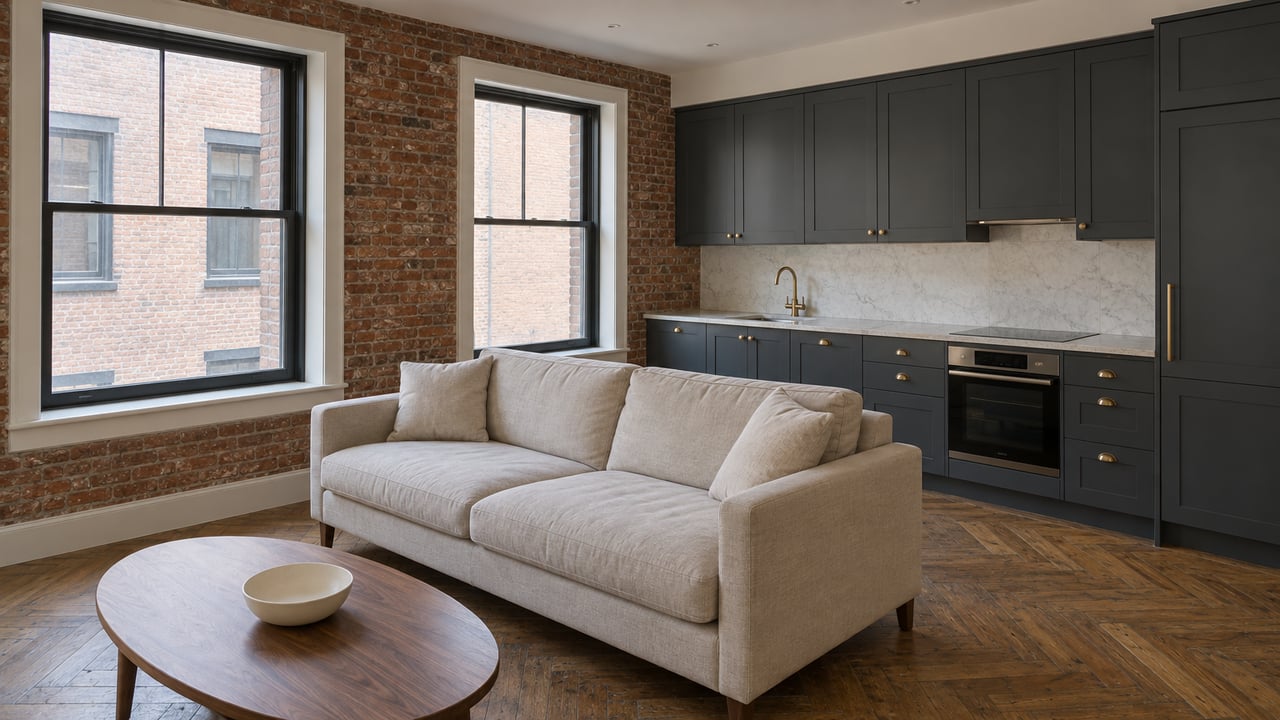
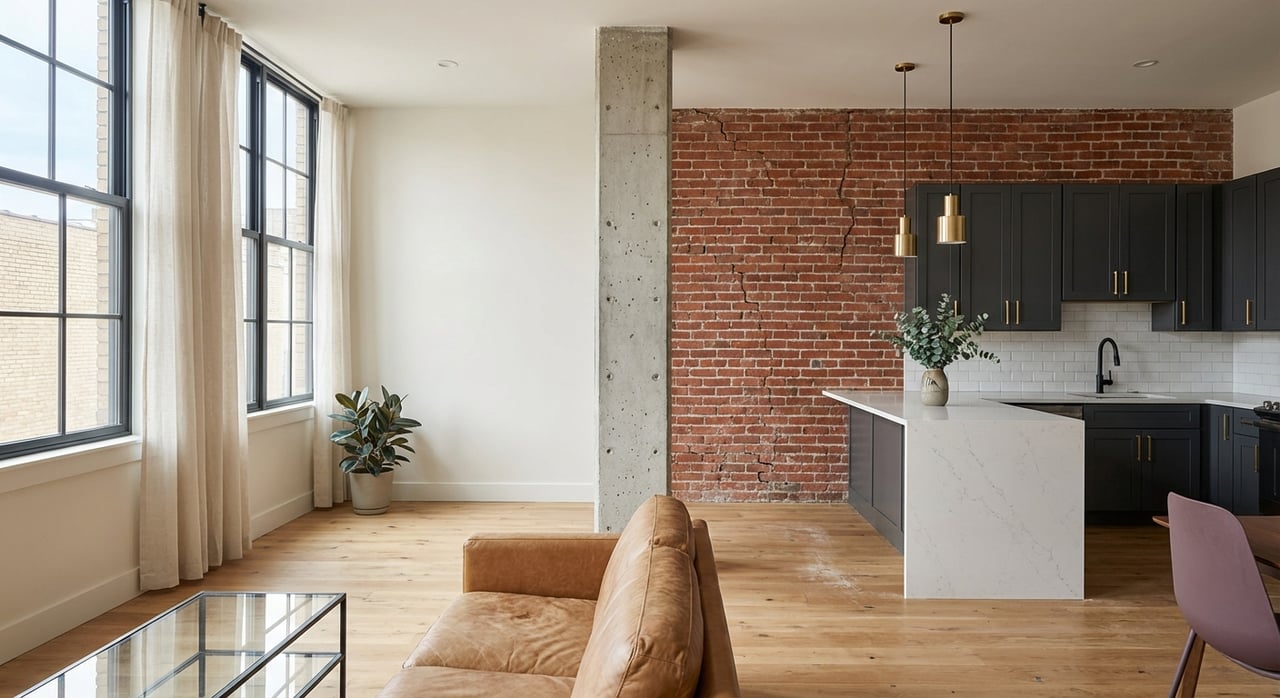
A classic Williamsburg loft usually delivers tall ceilings, large industrial windows, and an open floor plan with exposed beams or ductwork. The appeal is volume and flexibility. You can zone spaces for living, working, and dining without as many interior walls.
The tradeoff is that you may see fewer built‑in closets, more irregular floor plans, and bedrooms carved out with partitions or mezzanines. If you value layout freedom and character, a loft often wins. If you want a fully defined two‑bedroom with a linen closet and pantry, a condo may fit better.
Legal status and the Loft Law
In New York City, some converted loft buildings fall under New York State’s Loft Law and the NYC Loft Board’s oversight. These “Interim Multiple Dwelling” buildings have specific rules around legalization, rent stabilization for qualifying units, and required work by owners. Coverage is limited and depends on factors like historical occupancy windows. Before you pursue a loft in 11211, verify whether a unit or building is covered and whether required legalization steps are complete using the NYC Loft Board.
Why it matters for you:
- Rules can affect renovations, subletting, and building operations.
- Some units may have rent‑stabilized tenants or ongoing legalization items.
- Proper filings and completion status influence financing and resale.
Pros and cons of lofts
- Pros: dramatic space, flexible layouts, distinctive aesthetic.
- Cons: fewer amenities, older building systems in some conversions, and potentially more complex legal or regulatory checks.
Condo basics: what you get
Amenities, services, and the waterfront cluster
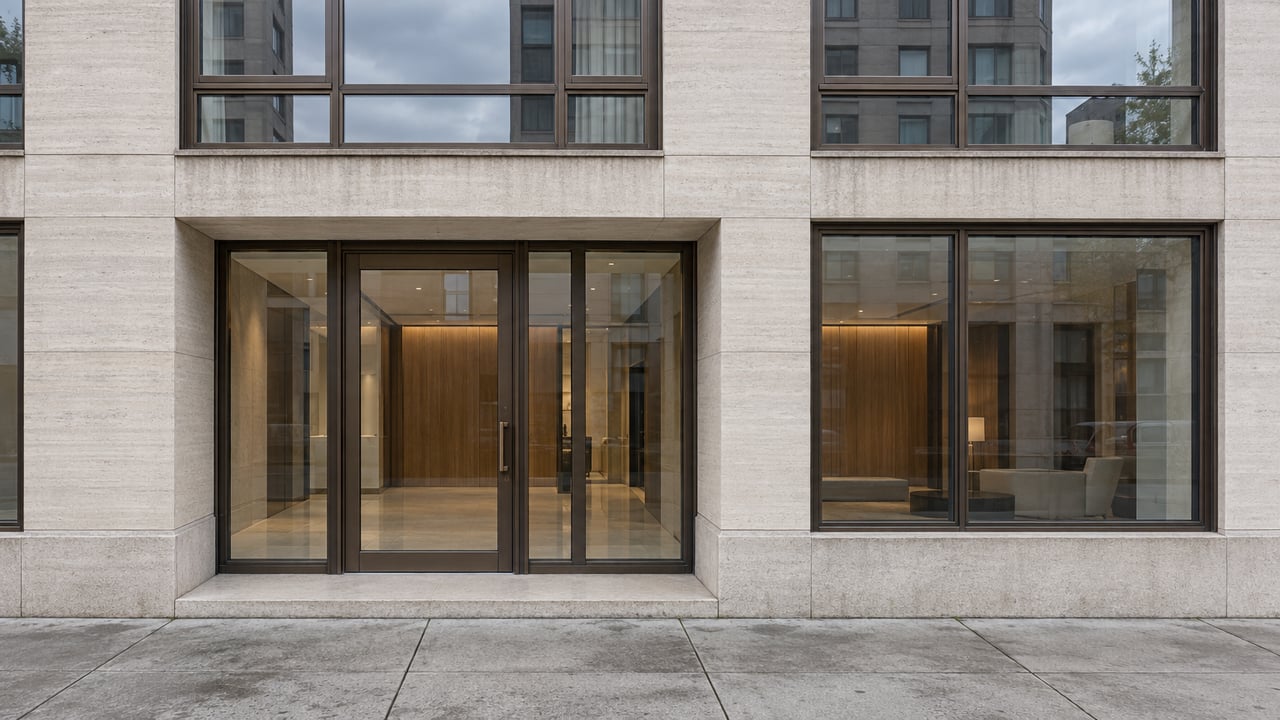
Many newer Williamsburg condos sit along Kent Avenue and the East River. Buildings like those at the Edge and Northside Piers are known for concierge service, fitness centers, pools, lounges, roof decks, and predictable maintenance. For an overview of the top waterfront condo buildings and the ferry convenience that supports them, scan this CityRealty roundup of Williamsburg waterfront condos.
Expect a premium per square foot for newer construction and full amenities. In return, you get turnkey living, a standard condominium board structure, and broad appeal to future buyers.
Monthly charges and operating costs
Amenity buildings often carry higher monthly common charges because you are sharing staff, insurance, gyms, and pools. Lower‑amenity conversions typically have lighter monthly charges but may rely on special assessments for bigger capital projects. Recent 11211 listings show common charges in the low to mid 900s to 1,100 dollars and up, depending on size and services. For a real‑world snapshot, review a representative listing’s HOA lines, like this example that shows fees within that range on Realty.com.
Your goal is to compare apples to apples. Put monthly charges, reserves, insurance, and recent assessments side by side across a few target buildings.
Financing and “warrantability” 101
Condo loans involve two layers of approval: you as the borrower and the building as a project. Lenders review budgets, reserves, owner‑occupancy ratios, litigation, and assessments. If a building is non‑warrantable, expect fewer conventional options or higher down payments and rates. This can be more common in brand‑new projects, conversions, or very small buildings. Ask your lender early to run a project check and explain your options. For a plain‑English overview of how lenders view condo projects, see this guide to special considerations in condo financing.
If you are eyeing an older loft conversion, post‑Surfside lender scrutiny of reserves and structural records can also factor into approval. Review reserve studies, engineering reports, and board minutes with your attorney and lender before you commit.
Taxes, co‑ops vs. condos, and abatements
In NYC, co‑ops and condos handle costs a bit differently. Co‑op maintenance often includes the building’s property tax share, while condo owners receive an individual tax bill plus separate common charges. Many Williamsburg loft conversions are structured as co‑ops or boutique condos, so verify what you are buying by checking the offering plan, proprietary lease, or condo declaration.
Owner‑occupants may qualify for the NYC Cooperative and Condominium Property Tax Abatement if the building participates. Boards or managing agents typically file on behalf of the development. The percentage reduction depends on the building’s average assessed value and can materially lower annual taxes. Review eligibility and filing windows on the NYC Department of Finance abatement page and ask the seller’s agent or board if the building uses it.
Neighborhood fit and daily life
Location shapes lifestyle in 11211. Waterfront condos cluster along Kent Avenue and deliver river views, ferry access, and a newer‑build feel. Classic loft conversions tend to sit inland on blocks with industrial history, often a few avenues from the river. That can mean a different street texture and closer proximity to creative workspaces or retail on quieter blocks.
Transit and green space are strong across both profiles. The Bedford Avenue L stop anchors North Williamsburg and makes Manhattan commutes straightforward. The NYC Ferry at North 6th Street and South Williamsburg adds a scenic option. McCarren Park serves as a neighborhood hub with fields and seasonal programming. As you tour, factor commute times, noise tolerance, and how you like to use parks, waterfront paths, and local retail.
For the planning context that produced today’s waterfront experience, revisit the city’s Greenpoint and Williamsburg Waterfront Access Plan inside the NYC Zoning Resolution.
Money comparison: run the numbers
Here is a simple way to model monthly and one‑time costs when you compare a loft and a condo in 11211:
- Purchase price and down payment: Use a realistic range based on active comps. Market reports show many closings between 1.3 and 1.6 million dollars with common per‑foot pricing around 1,300 to 1,500 dollars. Reference the latest neighborhood data on Rocket’s 11211 page.
- Monthly HOA or maintenance: Expect lower numbers in some conversions and higher numbers in full‑service towers. Cross‑check a few real listing packages for accuracy, such as the fee range shown in this 11211 listing example.
- Reserves and assessments: Ask for the most recent budget, reserve balance, and any planned capital work.
- Insurance and utilities: Amenity buildings may bundle more into common costs while conversions may keep base fees lean and rely on assessments as needed.
- Property taxes: Confirm whether the building participates in the NYC co‑op/condo abatement and how that affects your annual outlay using the DOF guidance.
Quick decision flow for 11211 buyers
- Start with lifestyle and layout: If you want high ceilings and open space that you can customize, prioritize authentic lofts. If you prefer a concierge, gym, pool, and a turnkey feel, focus on newer waterfront condos highlighted in CityRealty’s Williamsburg coverage.
- Money and financing: Ask your lender on day one if the building is warrantable and what down payment and rate apply if it is not. Here is a helpful primer on condo project eligibility.
- Monthly and one‑time costs: Compare HOA or maintenance line by line, plus reserves and recent assessments. Use listing packages for proof and verify with the board’s disclosures. A representative 11211 example with fees in range is stored here.
- Legal checks for lofts: Confirm Loft Board status, whether legalization is complete, and how that affects renovations and use with the NYC Loft Board.
- Resale strategy: If you want the widest future buyer pool, condos usually have broader demand and simpler financing paths. If you value unique volume and plan to live in the space longer term, an authentic loft can be a great match.
- Local access: Consider your commute from Bedford Avenue L and the ferry, and how often you will use parks and waterfront paths. Waterfront condos deliver quick ferry access while inland lofts may offer quieter blocks and different retail patterns.
What to check before you write an offer
- Building eligibility: Ask your lender to run a project review and confirm warrantability early.
- HOA financials: Budget, audited financials, reserve balance, insurance coverage, and any pending litigation.
- Assessments and capital plan: Upcoming facade, elevator, or roof work, plus timelines and costs.
- Property taxes: Whether the building receives the NYC co‑op/condo abatement and how that impacts your monthly and annual numbers. Verify using NYC DOF guidance.
- Loft specifics: If it is a converted loft, confirm Loft Law or IMD status and whether required work is complete through the NYC Loft Board.
- Resale rules: Sublet policy, investor caps, and renovation rules that could affect future buyers.
Ready to compare real units in 11211?
Your best choice will match how you live today and how you plan to sell tomorrow. If you want big volume and design flexibility, a classic loft may be worth the extra diligence. If you want services, amenities, and broad resale appeal, a waterfront condo is likely the right fit.
When you are ready to tour Williamsburg options side by side, work with a local, owner‑led advisor who understands both product types and how to present your offer cleanly. Reach out to Chana Ofek to map your budget, shortlist buildings, and move from search to signed contract with confidence.
FAQs
What is the main difference between a Williamsburg loft and a condo in 11211?
- A loft prioritizes open space, high ceilings, and industrial details with fewer amenities, while a condo typically offers defined rooms, newer systems, and shared services like concierge, gym, and roof deck.
How do monthly costs compare for condos vs. lofts in Williamsburg?
- Condos with amenities often have higher common charges, while many loft conversions show lower base fees but may rely on assessments for big repairs. Always compare HOA lines, reserves, and recent assessments before you decide.
Can financing be harder for certain Williamsburg condos or loft buildings?
- Yes. Lenders review the building’s budget, reserves, owner‑occupancy, and litigation. Non‑warrantable projects can require higher down payments or specialty loans. Ask your lender to run a project check early and study this condo financing overview.
What should I know about the NYC Loft Law when buying a converted loft?
- Some lofts fall under the Loft Law and the NYC Loft Board, which can affect legalization status, rent stabilization for qualifying units, and renovation rights. Verify coverage and filings with the NYC Loft Board before you proceed.
Do Williamsburg condo or co‑op owners get a property tax break?
- Many owner‑occupants are eligible for the NYC Cooperative and Condominium Property Tax Abatement if the building participates. Ask the board or managing agent and review rules on the NYC Department of Finance site.