If you picture Williamsburg waterfront living as just great views and shiny new buildings, you are only seeing part of the story. What makes this stretch of 11211 so appealing is how the shoreline works in real life, with parks, promenades, ferry access, subway options, and a housing mix that feels distinct from inland blocks. If you are thinking about renting, buying, or simply narrowing your search, this guide will help you understand what day-to-day life on the waterfront actually looks like. Let’s dive in.
Why the Williamsburg waterfront feels different
The Williamsburg shoreline did not become park-filled by accident. According to NYC Planning, the Greenpoint-Williamsburg waterfront plan rezoned roughly two miles of Brooklyn waterfront for residential use and required substantial public open space and waterfront access.
That planning shift helps explain why this part of the neighborhood feels more open than many people expect in New York City. Instead of a continuous industrial edge, you now see a mix of residential buildings, public walkways, landscaped open space, and riverfront gathering areas.
For you as a renter or buyer, that matters because the waterfront lifestyle here is tied to public access, not just private building amenities. In practical terms, the shoreline is something you can use, not just look at.
Parks shape daily waterfront life
One of the biggest draws of Williamsburg waterfront living is the variety of open space packed into a relatively compact corridor. Each park has a different feel, so your ideal location may depend on how you like to spend your time outdoors.
Domino Park
Domino Park is one of the best-known public spaces on the Williamsburg waterfront, and for good reason. This six-acre park along the East River includes a waterfront promenade, elevated walkway, playground, dog run, volleyball, bocce, a main field, and an ice-skating rink.
The site was built on the former Domino Sugar Refinery property and opened this stretch of waterfront to the public for the first time in more than 160 years. It is also open daily from 6:00 a.m. to 11:00 p.m., which makes it useful for everything from an early walk to an evening stroll.
If you are focused on views, Domino Park stands out for its East River and Manhattan skyline outlooks. For many people, it defines the south end of the waterfront lifestyle.
Marsha P. Johnson State Park
Marsha P. Johnson State Park offers a different kind of waterfront experience. Located at 90 Kent Avenue, this seven-acre park is free and open daily from 7:00 a.m. to 10:00 p.m.
The park includes a playground, native meadow plantings, a dog run, picnic and barbecue areas, and preserved rail-yard remnants from the site’s former dock use. It also emphasizes access by foot, bike, and public transportation, which adds to its everyday convenience.
This park often feels like a strong expression of the waterfront’s layered identity. You get open lawn space and skyline views, but also visible reminders of the area’s industrial past.
Bushwick Inlet Park
On the northern side of the corridor, Bushwick Inlet Park plays a major role in the Greenpoint-Williamsburg waterfront. NYC Parks describes it as the centerpiece of the Greenpoint-Williamsburg Waterfront, with 35.53 acres that include a multipurpose field, playground, viewing platform, and public waterfront access.
This park is especially important if you want a larger open-space presence near home. It gives the northern edge of the waterfront a broader, more expansive feel than a simple pocket park or plaza.
Brooklyn Waterfront Greenway
The waterfront is not just about standing still and enjoying the skyline. NYC Parks describes the Brooklyn Waterfront Greenway as passing through this area, including the stretch by East River State Park, and notes a two-mile esplanade connected to Bushwick Inlet Park.
That means the shoreline functions as a real movement corridor too. If you like walking, jogging, or biking, the waterfront becomes part of your routine, not just a weekend destination.
Views are part of the value
Plenty of neighborhoods have nice buildings. Fewer offer a public-facing waterfront where skyline views are part of daily life.
Across Domino Park, Marsha P. Johnson State Park, and Bushwick Inlet Park, Manhattan views are a recurring feature. Even if you do not live in a unit with a direct river exposure, the public realm gives you regular access to that visual experience.
That can shape how the neighborhood feels from morning to night. A quick walk, a dog run, or a ferry ride can come with open river views that are hard to replicate elsewhere in Brooklyn.
Transit is stronger than many expect
Riverfront neighborhoods can sometimes feel isolated. Williamsburg’s waterfront is different because it offers several ways to get around, and that flexibility is a real part of its appeal.
NYC Ferry connections
NYC Ferry’s East River route serves both North Williamsburg and South Williamsburg. From there, you can connect to Wall St./Pier 11, DUMBO/Fulton Ferry, Greenpoint, Hunters Point South, and East 34th Street.
For many residents, the ferry is not just scenic. It is a practical option that adds another layer to the commute or makes cross-neighborhood trips easier.
One useful detail is that weekday peak periods and non-winter weekends can split service into East River A and B. In day-to-day terms, the closest landing matters more than people sometimes realize.
Subway options nearby
The waterfront also benefits from multiple subway choices depending on your exact address. The MTA says Bedford Av on the L is fully accessible, and Lorimer St and Metropolitan Av-Lorimer St became accessible in 2024.
Marcy Av on the J, M, and Z is also accessible, and nearby Brooklyn stations on the G line include Nassau Av and Greenpoint Av. That mix gives the area more commuting flexibility than you might expect from a waterfront setting.
Walk and bike access
The local transit picture is not just about rail and ferry. The shoreline’s promenades and greenway connections support walking and biking as part of daily mobility.
If you work from home part of the week, split your commute, or simply value options, that variety can be a major quality-of-life advantage. Waterfront living here is best understood as transit-rich, not transit-limited.
What kinds of homes you will find
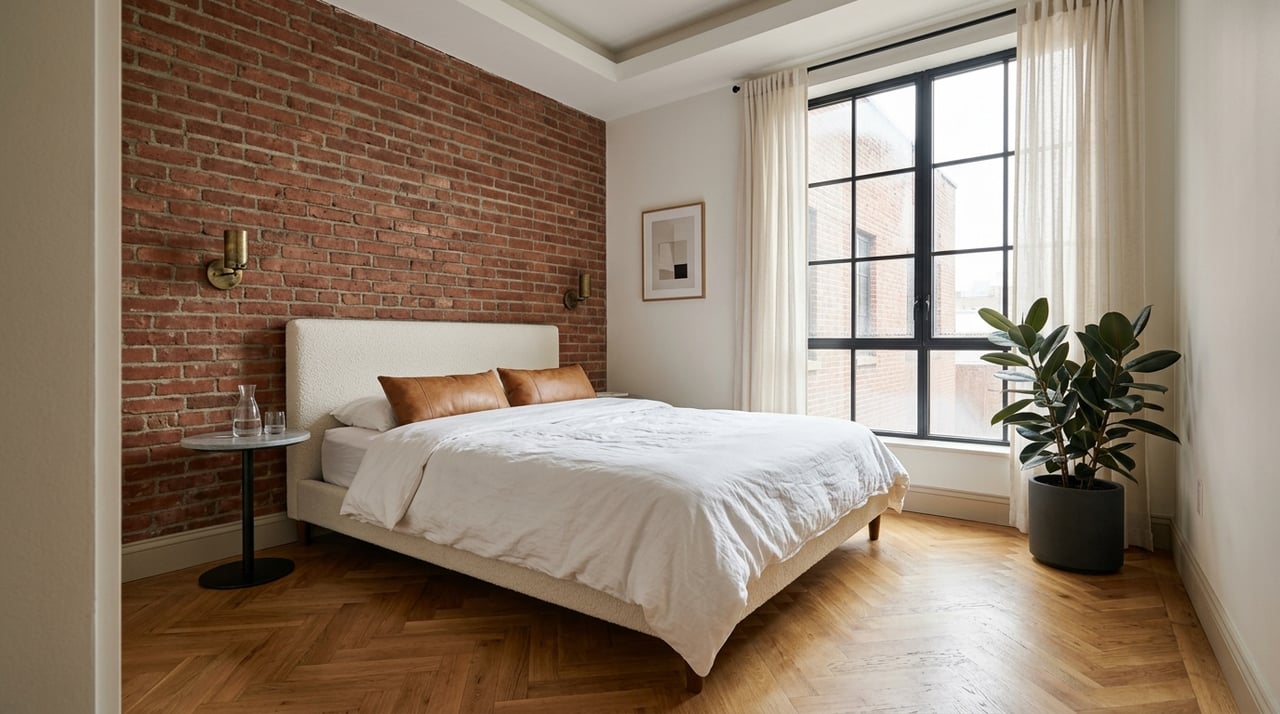
If you are browsing listings along the Williamsburg waterfront, it helps to know that the housing stock is not one single product. The area leans heavily toward condos and rentals in newer, full-service buildings, but there is also a smaller converted-building and loft-style side to the market.
Newer full-service buildings
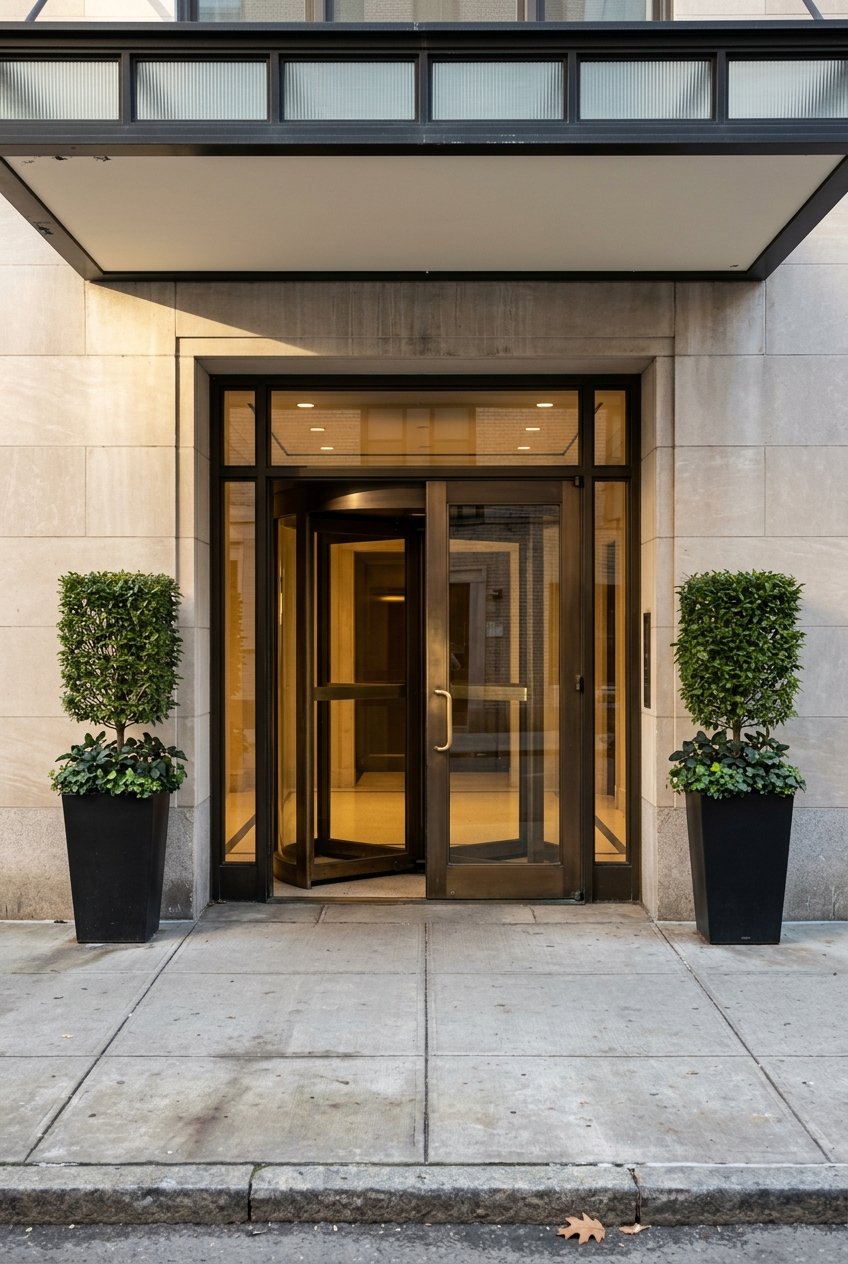
The waterfront inventory skews toward newer luxury development. Examples in the research include One Domino Square condominiums and rentals, One South First, and 325 Kent, all tied to redevelopment along the waterfront and marketed around East River or Manhattan skyline views and broad amenity packages.
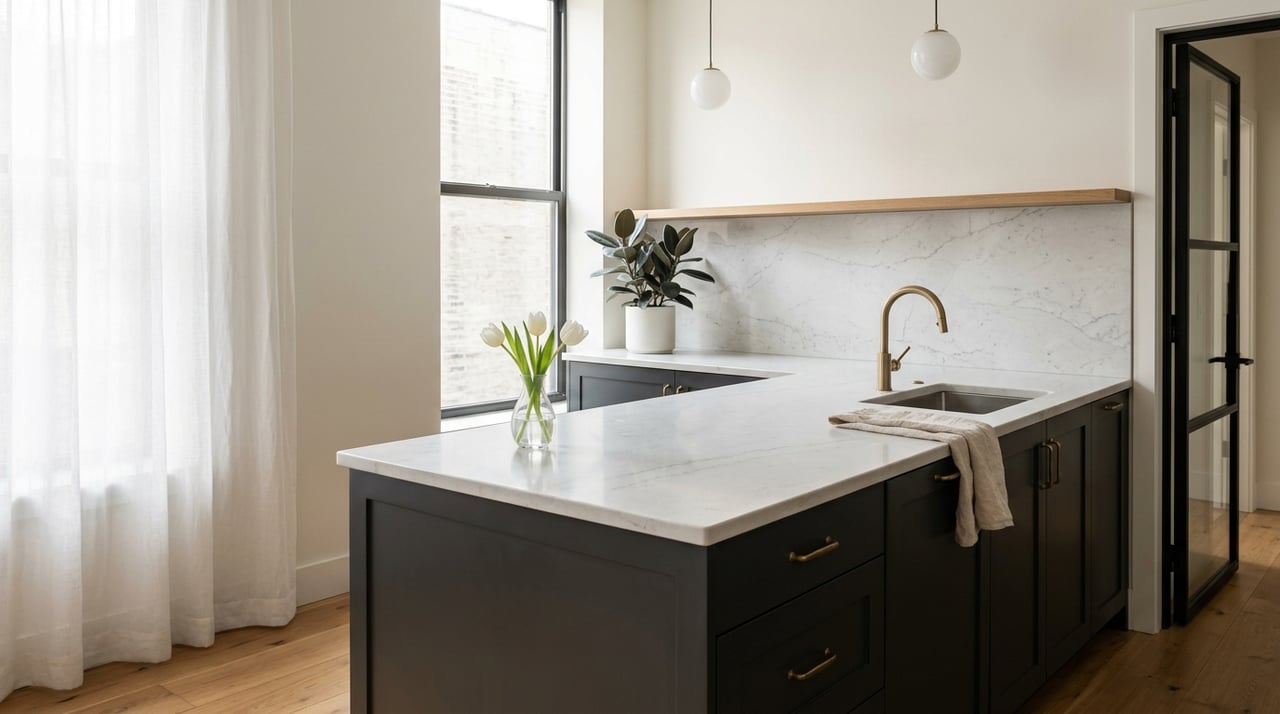
If you are drawn to modern layouts, extensive amenities, and a more polished new-construction feel, this part of the market may be what you picture first. These buildings often define the visual identity of the waterfront today.
Loft and industrial character
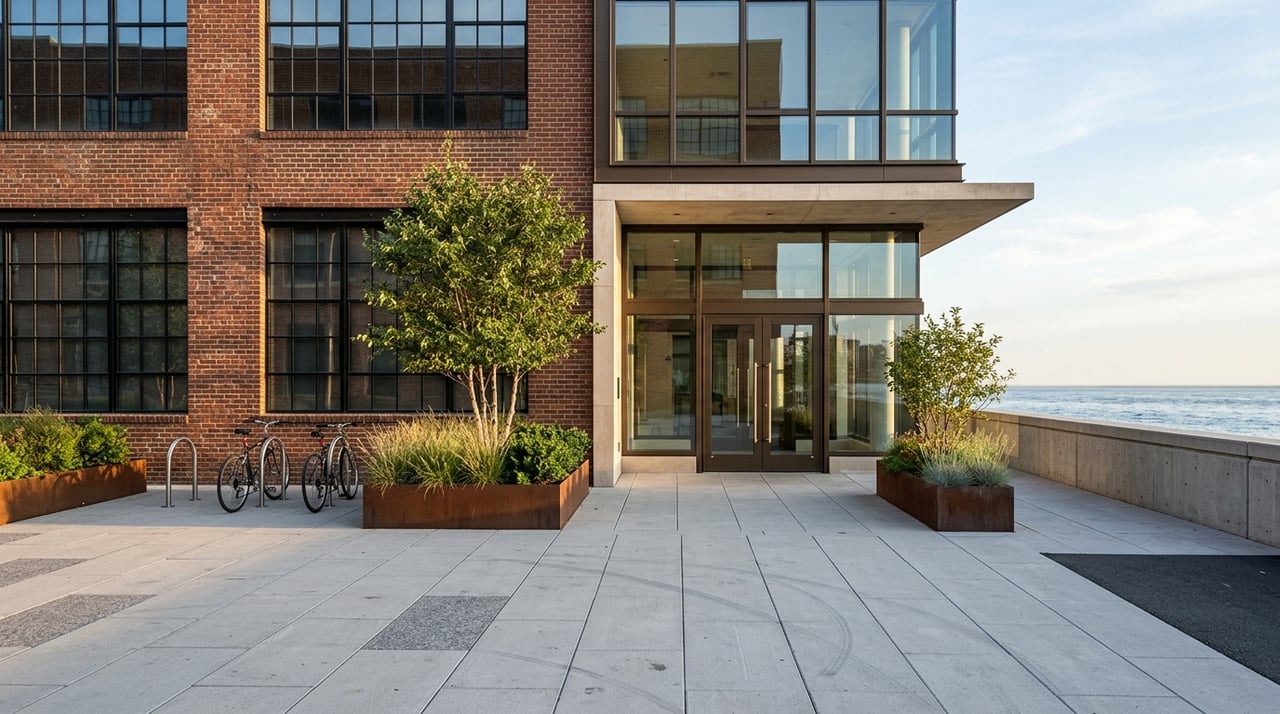
There is also a strong thread of adaptive reuse in the area. NYC Planning identifies 184 Kent as a conversion of the historic Austin, Nichols & Company warehouse into rental loft apartments.
That matters because it shows the waterfront is not only glass towers and contemporary finishes. Some parts of the housing story still reflect Williamsburg’s warehouse and industrial roots.
A mixed waterfront identity
In broad terms, the waterfront is best described as condo-and-rental heavy, with selective loft conversions and landmark industrial reuse. It is not a shoreline defined mainly by low-rise homes.
For you, that means the search is often about choosing a lifestyle format. You may be comparing a newer amenity building with a more industrial loft feel rather than choosing between similar housing types.
How to choose the right waterfront pocket
Not every part of the waterfront will feel the same once you start walking it block by block. The best fit often comes down to which open spaces and transit links matter most to you.
Here is a simple way to think about it:
- Near Domino Park: strong south-waterfront identity, developed public space, prominent skyline views
- Near Marsha P. Johnson State Park: open lawns, recreation, preserved industrial details, easy waterfront access
- Near Bushwick Inlet Park: larger park presence, northern waterfront setting, greenway connections
- Near ferry landings: useful if water transit is part of your routine
- Near Bedford, Lorimer, Marcy, Nassau, or Greenpoint stations: useful if subway access will shape your day more than the ferry
If you are searching for a home here, it helps to think beyond the building itself. The nearest park entrance, ferry stop, and subway station can have as much impact on daily life as the apartment finishes.
Why this area keeps attracting attention
The Williamsburg waterfront continues to stand out because it offers a combination that is still relatively rare. You get public shoreline access, multiple park experiences, visible industrial history, strong skyline views, and several transit options in one compact area.
That mix appeals to renters who want convenience, buyers who want a lifestyle-driven location, and owners who understand the long-term value of a highly usable waterfront setting. It is not just about being by the river. It is about how much of that riverfront is built into everyday neighborhood life.
If you are trying to decide whether Williamsburg waterfront living matches your priorities, the best next step is to compare blocks with your routine in mind. The right fit usually comes from matching your housing style, park access, and transit habits, not just chasing the best view.
If you want help narrowing your options in Williamsburg or comparing waterfront homes with other Brooklyn neighborhoods, Chana Ofek can help you search with a clear plan and local perspective.
FAQs
What makes Williamsburg waterfront living different from inland Williamsburg?
- The waterfront was shaped by a rezoning that added substantial public open space and waterfront access, so you get parks, promenades, and shoreline connections that are less common farther inland.
Which parks define the Williamsburg waterfront most clearly?
- Domino Park, Marsha P. Johnson State Park, and Bushwick Inlet Park are the key public open spaces, each offering its own mix of recreation, waterfront access, and skyline views.
How do residents commute from the Williamsburg waterfront?
- Many people use a combination of NYC Ferry, the L, J, M, Z, and G subway lines, plus walking and biking along the waterfront routes.
What types of homes are most common on the Williamsburg waterfront?
- The area is mostly made up of newer condos and rentals in full-service buildings, along with a smaller number of loft-style conversions in former industrial properties.
Is the Williamsburg waterfront mainly about luxury buildings?
- Newer luxury development is a major part of the housing mix, but the area also includes converted warehouse-style properties and public waterfront spaces that shape the neighborhood’s identity.
Are skyline views easy to access on the Williamsburg waterfront?
- Yes. Public parks and promenades like Domino Park, Marsha P. Johnson State Park, and Bushwick Inlet Park all highlight Manhattan skyline views, so the experience is not limited to private residences.