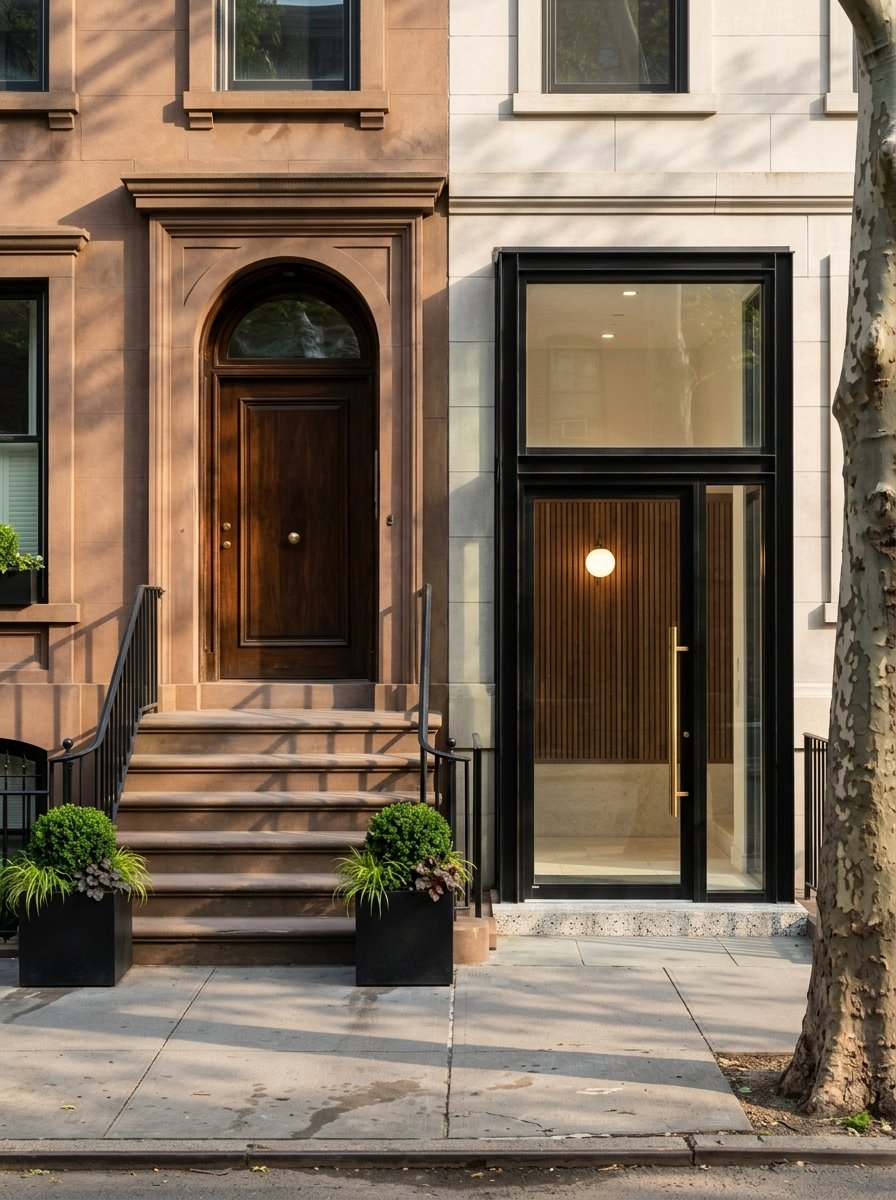
Wondering whether an Upper West Side co-op, condo, or brownstone is the right fit for your life? You are not alone. This part of Manhattan offers a very specific mix of housing, and the differences between these property types can shape everything from your monthly costs to your future flexibility. If you are buying on the Upper West Side, understanding those tradeoffs early can save you time, stress, and expensive surprises. Let’s dive in.
Why housing type matters on the Upper West Side
The Upper West Side is generally defined by Manhattan Community Board 7 as the area from 59th to 110th Streets between Central Park and the Hudson River. Its late 19th- and early 20th-century development pattern helps explain why you see such a rich mix of apartment buildings and townhouse blocks rather than one dominant housing style.
That variety is part of what makes the neighborhood appealing, but it also means your buying decision is about more than layout and square footage. On the Upper West Side, the legal structure of the home often matters just as much as the finishes, light, or block.
A 2026 NYU Furman Center profile reported 230,436 residents in 2024, a 35.6% homeownership rate, median household income of $152,250, and some of the city’s highest rents. A July 2026 StreetEasy snapshot also showed how inventory skews here: 489 condo listings, 426 co-op listings, and just 30 house or townhouse listings. In plain terms, apartment ownership dominates, while brownstones and townhouses are far more limited.
Co-ops on the Upper West Side
How co-op ownership works
In a co-op, you do not purchase real property in the same way you do with a condo. Instead, you buy shares in a corporation and receive a long-term proprietary lease for a specific apartment. Your maintenance charges are typically based on the number of shares assigned to your unit.
That structure shapes the entire ownership experience. It also means you need to evaluate not just the apartment, but the corporation, the lease, and the building’s financial and governance documents.
Why co-ops feel more structured
Co-op boards are elected by shareholders, and they play a meaningful role in how the building operates. According to the New York Attorney General, bylaws and the proprietary lease can govern annual meetings, sponsor seats, sublet provisions, and other key rules. Prospective buyers are also encouraged to review board minutes, financial reports, and known defects before signing.
On the Upper West Side, co-ops are usually the most governance-heavy option. If you value building oversight and a more structured ownership environment, that can be a benefit. If you want a simpler purchase path or more freedom to rent the unit later, those same rules may feel more restrictive.
What to pay attention to in a co-op
If you are considering a co-op, focus closely on the building’s documents and culture. A co-op purchase often involves both financial review and a closer look at how the board manages the property.
Key items to review include:
- The proprietary lease
- The bylaws
- Sublet rules
- Board minutes
- Financial statements
- Known building defects or upcoming repairs
- Monthly maintenance and what it covers
Because co-op board members are typically other shareholders serving without pay, the process can feel personal as well as financial. That is one reason preparation matters so much.
Condos on the Upper West Side
How condo ownership differs
In a condominium, you own the unit outright and also hold an interest in the common elements. New York condo regulations require disclosure of important documents like the declaration, bylaws, unit deed, and related materials in the offering plan.
This structure usually gives buyers a more direct form of ownership than a co-op. It also tends to offer more flexibility when it comes to future transfer, leasing, and financing, though you should still confirm the exact rules in the governing documents.
Why condos are often seen as more flexible
New York regulations state that each condo unit owner has the right to sell or lease the unit, subject to any documented restrictions and notice requirements. The same regulations say that each unit owner has the right to mortgage the unit.
That does not mean condos are rule-free. A board of managers may have a right of first refusal if the governing documents allow it, and some buildings may place limits or procedures around rentals. Still, compared with co-ops, condos often feel more flexible for buyers planning ahead.
What condo buyers should review
If you are comparing Upper West Side condos, do not stop at the asking price. You will want to understand the building’s monthly costs, reserve health, and any sponsor-control language in the plan.
Important questions include:
- Are there rental restrictions?
- Does the board have a right of first refusal?
- What are the common charges?
- Are there assessments or major projects coming up?
- Is the building still under sponsor control?
- What do the bylaws say about leasing, resale, and building operations?
For many buyers, condos offer a smoother balance between ownership control and building-level management. That can be especially appealing if you may want to hold the property long term or keep more options open.
Brownstones and townhouses
What “brownstone” really means
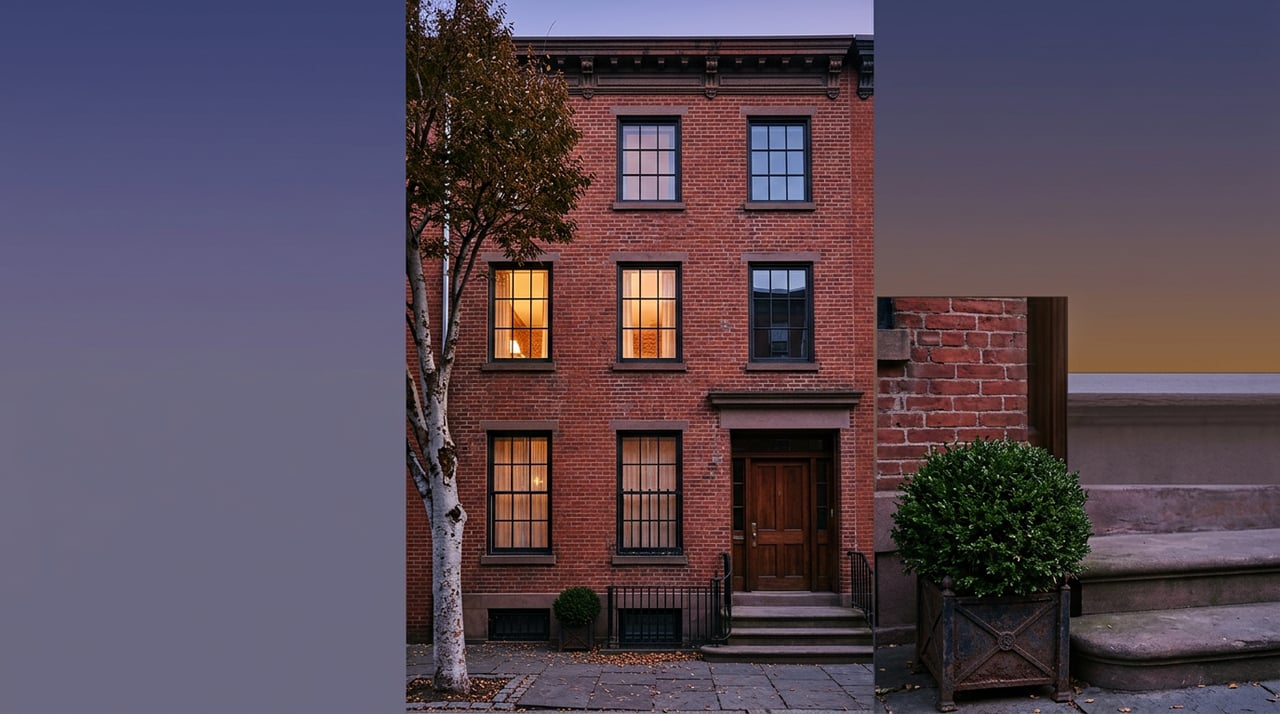
On the Upper West Side, brownstones and townhouses are part of the neighborhood’s original rowhouse fabric. Historic records from the Landmarks Preservation Commission show that the area first filled in with single-family rowhouses before apartment-house construction expanded as land values rose and transit improved.
It is also important to know that “brownstone” is a building or material term, not a separate ownership category. In practice, an Upper West Side brownstone or townhouse might be a fee-simple house, a condo, or another legal structure. The legal setup matters more than the facade.
Why townhouse ownership feels different
Brownstones and townhouses often give you the most direct control. At the same time, they usually come with the most direct responsibility.
If you own a fee-simple townhouse, many day-to-day obligations that would be shared in a co-op or condo fall on you. New York City guidance notes that property owners must keep units and common areas safe and well maintained, and the Department of Transportation says owners are responsible for maintaining adjoining sidewalks.
Landmark rules and exterior changes
Many Upper West Side townhouse blocks are in landmarked or historically sensitive areas. If a property sits in a historic district, most exterior changes usually require review by the Landmarks Preservation Commission, and permits are required before most exterior work.
That matters if you are planning updates to windows, doors, stoops, facades, roofing, or other visible exterior elements. A townhouse can offer beautiful architectural character, but it may also come with added review steps for future work.
A simple way to compare all three
If you are trying to narrow your search, it helps to think in terms of tradeoffs rather than labels. On the Upper West Side, buyers often choose among governance, flexibility, and direct control.
| Property type | Main advantage | Main tradeoff |
|---|---|---|
| Co-op | Strong building oversight and structured governance | More rules and a more involved approval process |
| Condo | More transfer and leasing flexibility | You still need to review bylaws, charges, and possible restrictions |
| Brownstone/Townhouse | Direct control over the property | More owner responsibility, maintenance, and possible landmark review |
This framework will not answer every question, but it gives you a practical starting point. Once you know which tradeoff best fits your priorities, your search usually becomes much clearer.
Smart due diligence before you buy
No matter which property type you choose, due diligence is essential. The New York Attorney General regulates offering plans for co-ops and condos, but filing an offering plan does not mean the government has approved the deal. You still need your own attorney and a careful review of the building or property.
A smart buyer on the Upper West Side should ask:
- Is this legally a co-op, condo, or fee-simple townhouse?
- What are the monthly carrying costs, and what do they include?
- Are there any underlying mortgages, assessments, or major capital projects coming up?
- What do the governing documents allow or restrict?
- Is the property in a landmarked district?
- For a townhouse, which repairs are owner responsibility?
These questions can help you avoid assumptions. They also make it easier to compare properties that may look similar online but function very differently in real life.
How to choose the right fit for you
If you want a classic Upper West Side apartment with a more structured ownership model, a co-op may be the right fit. If you want deeded ownership and more future flexibility, a condo may make more sense. If you want architectural character and direct control, a brownstone or townhouse may be worth the added responsibility.
There is no one-size-fits-all answer. The best choice depends on how you plan to live, what level of oversight you are comfortable with, and how much flexibility you want over time.
When you are weighing Upper West Side co-ops, condos, and brownstones, having clear guidance can make the process far less overwhelming. If you want a hands-on, thoughtful approach to your search in Manhattan or across New York City, connect with Chana Ofek.
FAQs
What is the difference between a co-op and a condo on the Upper West Side?
- A co-op means you buy shares in a corporation and receive a proprietary lease for the apartment, while a condo means you own the unit outright and also hold an interest in the common elements.
Are Upper West Side co-ops harder to buy than condos?
- Co-ops are usually more governance-heavy because buyers need to review building rules closely, and the board structure often makes the process feel more involved than a condo purchase.
Can you rent out an Upper West Side condo more easily than a co-op?
- Condos are generally more transfer-flexible, but you still need to review the bylaws and offering-plan documents for any rental restrictions, notice requirements, or board rights.
Are brownstones on the Upper West Side always single-family homes?
- No. A brownstone is a building or material term, not a legal ownership type, so a brownstone or townhouse can have different legal structures.
Do Upper West Side townhouses have more maintenance responsibility?
- Yes. Fee-simple townhouse owners usually take on more direct responsibility for upkeep, safety, and adjoining sidewalk maintenance than owners in co-ops or condos.
Do landmark rules affect Upper West Side brownstones?
- If the property is in a landmarked area or historic district, most exterior changes usually require Landmarks Preservation Commission review and permits before work begins.