Trying to rent in Greenwich Village can feel like a race you are expected to win before the starting gun goes off. Between limited inventory, high rents, and fast-moving listings, even well-qualified renters can lose an apartment simply by moving too slowly. The good news is that you can improve your odds with the right prep, realistic expectations, and a smart search plan. Let’s dive in.
Understand the Greenwich Village market
Greenwich Village sits in the upper tier of Manhattan rents, so it helps to go in with a clear budget and a flexible mindset. Current major portal data places the neighborhood median in the mid-$5,000s per month, with StreetEasy at $5,200, Realtor.com at $5,790 through April 2026, and Zumper at $5,830 in July 2026.
Those numbers are best used as a general guide, not a guarantee of what you will pay. Different platforms track rents in different ways, and your actual rent can shift based on size, finishes, building type, and exact location within the neighborhood.
Know what your budget may buy
If you are starting your search, broad pricing bands can help you set expectations. Current data suggests around $4,300 for studios, roughly $6,300 to $6,410 for one-bedrooms, about $7,250 to $7,495 for two-bedrooms, around $7,495 for three-bedrooms, and about $13,000 for four-bedrooms.
There is still a wide spread within each category. Listing examples in Greenwich Village include one-bedrooms from $3,900 to $7,400, plus much higher asking rents for certain larger homes, which shows how much condition, layout, and building style can affect price.
Expect older buildings and tradeoffs
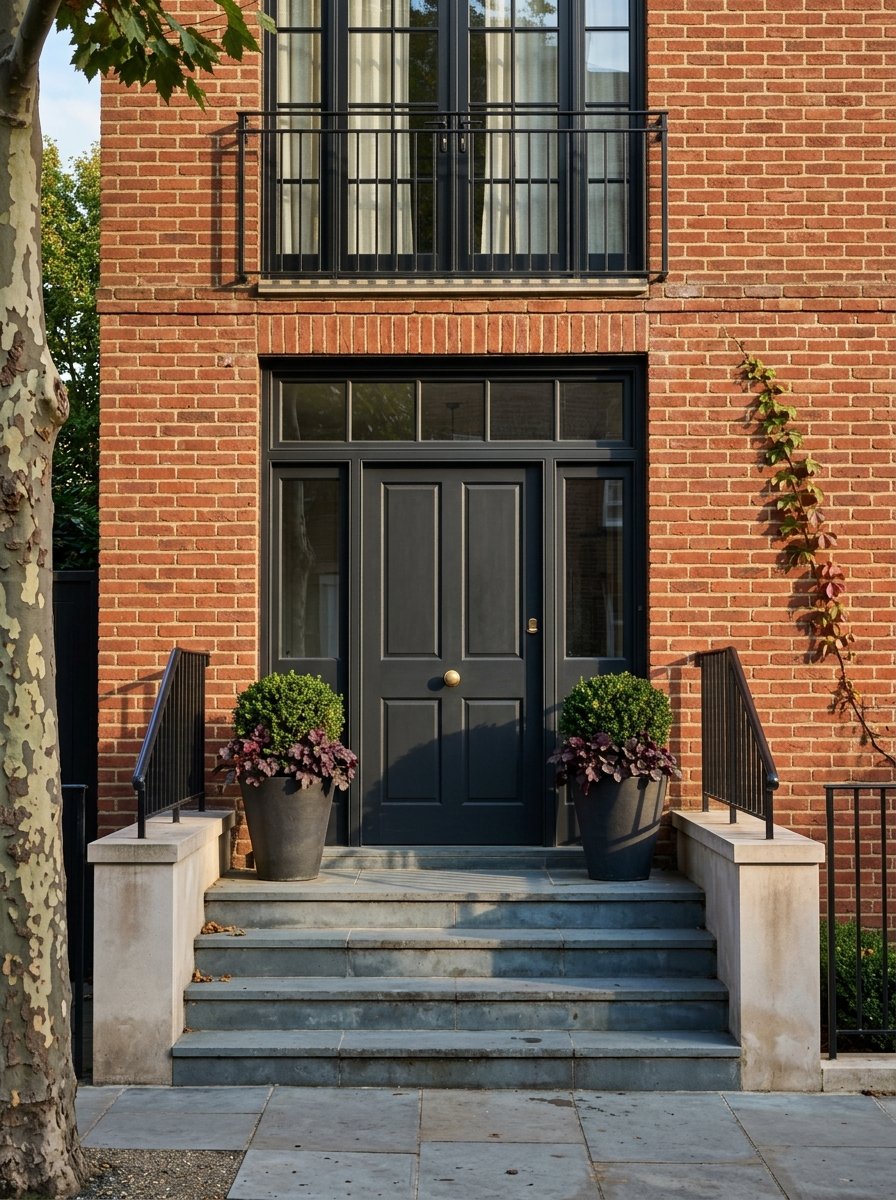
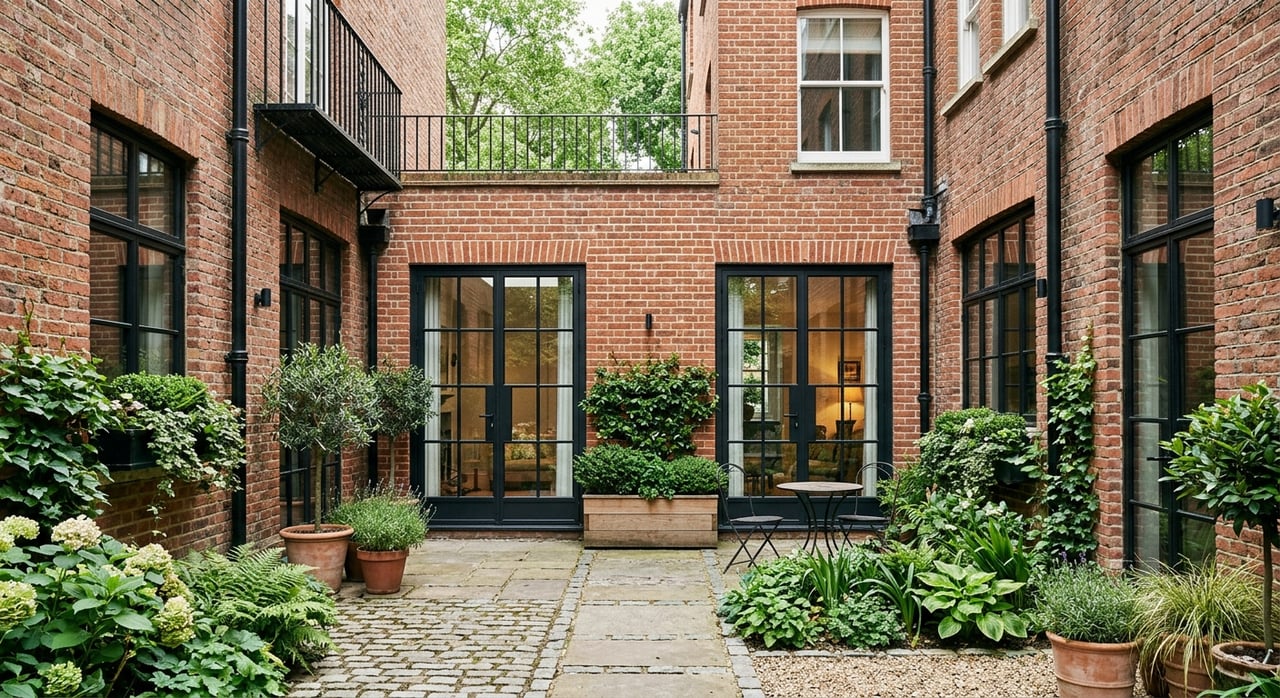
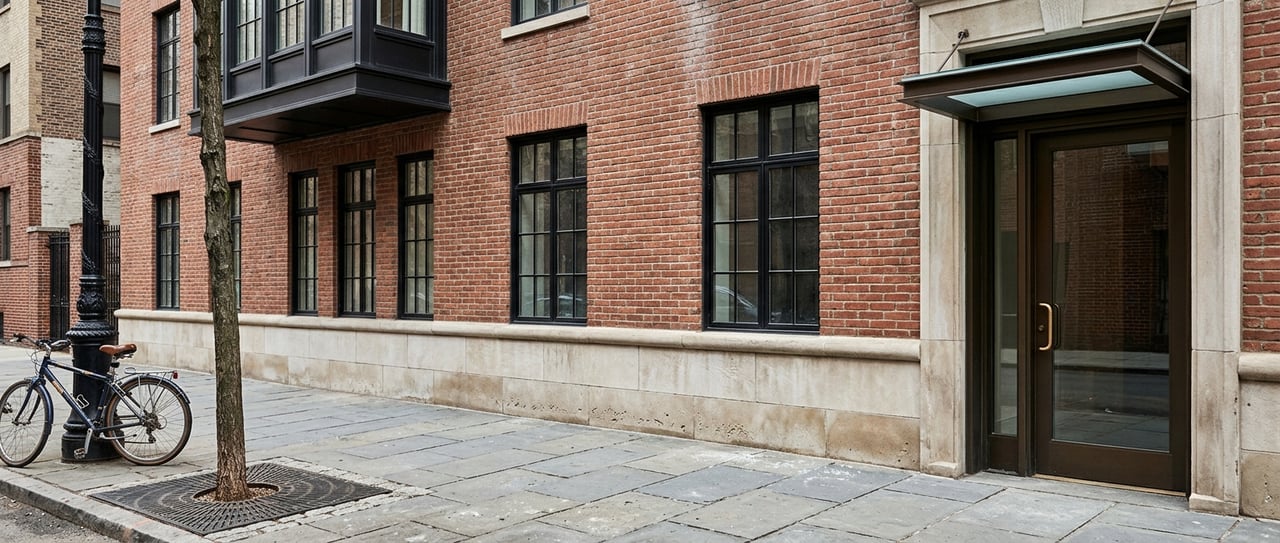
A big part of renting in Greenwich Village is understanding the housing stock. StreetEasy describes the area as having many older buildings, with classic walk-ups, townhouses, and upscale co-ops more common than high-rises.
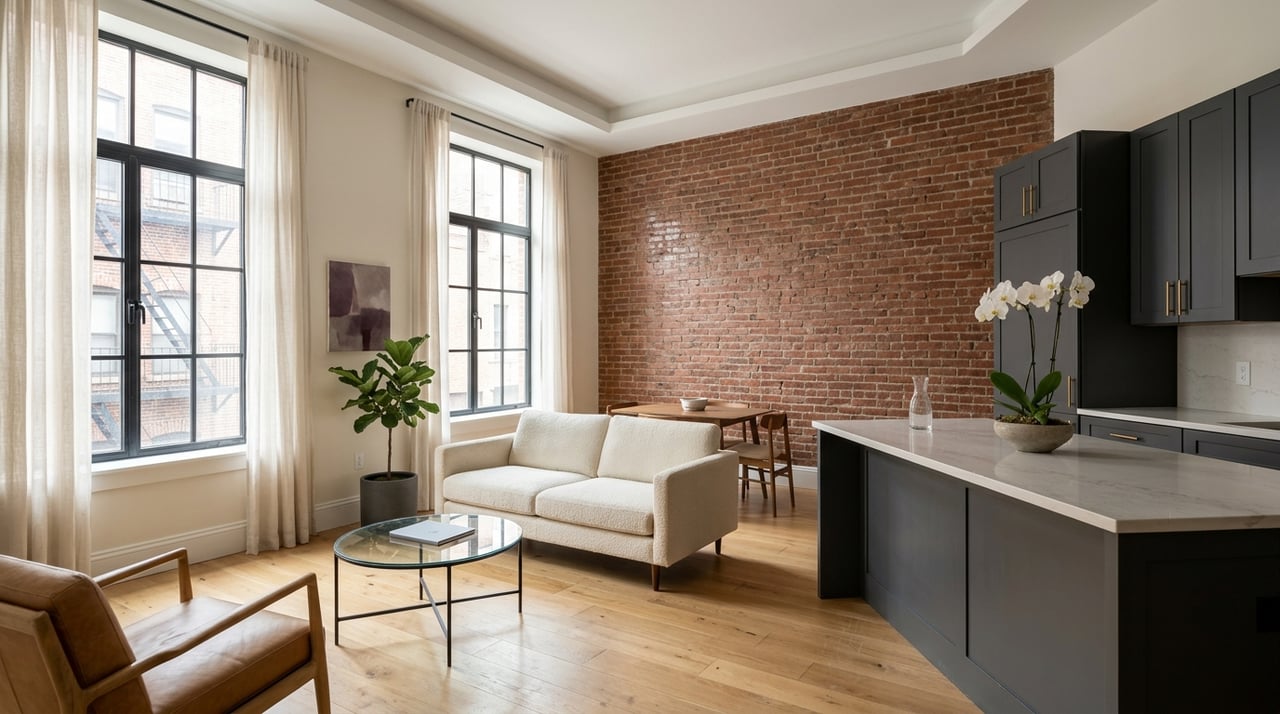
That usually means charm and location often come with compromises. You may find smaller kitchens, smaller bathrooms, fewer elevator buildings, and fewer full-service amenities than in newer parts of Manhattan.
Prepare for strong competition
This is not a market where you can casually browse for a few weeks and hope the right place waits for you. Manhattan inventory fell 13.0% year over year in StreetEasy’s May 2026 report, and the borough logged its 27th straight month of annual inventory decline.
At the same time, renter competition remains elevated across New York City. StreetEasy reported that the average NYC rental received 63.6% more inquiries than in May 2019, which helps explain why desirable Greenwich Village listings can move very quickly.
Larger apartments are harder to secure
If you need two bedrooms or more, be ready for even tighter conditions. StreetEasy found that competition for apartments with two or more bedrooms more than doubled, while inventory in that segment was down 38.8% from pre-pandemic levels.
That means flexibility becomes even more important when your space needs are less negotiable. A slightly different layout, a nearby move-in date, or a walk-up instead of an elevator building may make the difference between landing a lease and missing out.
Time your search correctly
In New York City, apartments are typically listed about 30 to 60 days before they become available. For Greenwich Village, that is the sweet spot to begin your search if you want access to active inventory without starting so early that nothing relevant is available.
If your move date is firm, work backward from it. Serious renters should be ready to tour and submit within that 30 to 60 day window, not just start collecting ideas.
Seasonality can help, but only a little
Inventory is usually higher from May through August and lowest in December. Discounts and concessions are more common in the fall and winter, but StreetEasy found the rent difference across seasons is only about 1.4% of the median rent.
In practical terms, seasonality may give you a bit more choice or a slightly better deal, but it will not cancel out Greenwich Village’s underlying scarcity. Your best advantage is still preparation and speed.
Build your rental packet before touring
One of the smartest things you can do is assemble your application package before you set foot in the first apartment. In a fast market, the renter who can submit a complete packet the same day often has a real edge.
A typical NYC rental packet includes:
- Photo ID
- Last two paystubs
- Last three months of bank statements
- Last two years of tax returns
- Employer verification letter
- CPA letter if you are self-employed
- Proof of additional funds if relevant
- Landlord references
- Guarantor paperwork, if needed
Having these documents ready does two things. It helps you move quickly, and it signals to a landlord or listing agent that you are organized and serious.
Know the common income benchmarks
Many landlords still screen for annual income around 40 to 45 times the monthly rent. If you are using a guarantor, that person is often asked to provide similar financial paperwork as part of the review process.
This matters because Greenwich Village rents are high enough that even well-paid renters can run into qualification issues on paper. Before you begin, check whether your income, savings, and guarantor options line up with the rent range you are targeting.
Move fast, but stay strategic
Fast does not mean careless. It means you should know your budget ceiling, your must-haves, your deal-breakers, and what paperwork you can submit immediately.
When you tour, try to decide quickly whether an apartment works for your needs. In Greenwich Village, waiting until the next day to gather documents or think through a unit can mean losing it to a more prepared applicant.
Focus on your non-negotiables
A clear priority list will save you time and stress. Before you search, separate your needs into three buckets:
- Must-have: your true deal-breakers, such as budget cap or bedroom count
- Nice-to-have: features like dishwasher, laundry, or elevator
- Flexible: details you can compromise on, like floor level or exact layout
This approach keeps you from over-focusing on one appealing feature while missing the bigger picture. In Greenwich Village, the renters who succeed are often the ones who know where they can bend.
Understand legal fees and renter protections
New York City renters should also know the current rules around fees. The FARE Act, effective June 11, 2025, prohibits landlord-hired brokers from charging broker fees to tenants and requires landlords or their agents to disclose other tenant-paid fees in listings and rental agreements.
Application fees are capped at $20, and New York State also caps credit and background check charges at $20 total. You can also provide your own recent report if it was completed within the last 30 days.
Security deposits cannot exceed one month’s rent. After move-out, the deposit must be returned within 14 days.
Ask whether the apartment is rent-stabilized
Not every Greenwich Village rental is rent-stabilized, but if one is, that can affect your lease terms after move-in. For rent-stabilized apartments, renters should receive a DHCR lease rider with vacancy and renewal leases.
You also have the right to choose a one-year or two-year renewal term, and renewal increases are set by the Rent Guidelines Board rather than by the landlord alone. If stability matters to you, it is worth asking this question early.
Practical ways to improve your odds
In a neighborhood like Greenwich Village, success usually comes down to a few repeatable habits. You do not need a perfect market. You need a strong process.
Here are the most effective ways to put yourself in a better position:
- Start searching 30 to 60 days before your move
- Set a realistic budget using current neighborhood ranges
- Prepare your full rental packet before showings
- Confirm your income or guarantor plan in advance
- Respond to new listings quickly
- Be flexible on building type, layout, and move date when possible
- Decide fast when a well-priced apartment fits your needs
Why local guidance matters
Greenwich Village is not just expensive. It is nuanced. Building types vary, pricing can shift quickly, and the difference between a good-fit apartment and a frustrating compromise often comes down to knowing what to prioritize.
Working with a responsive, experienced local broker can help you stay organized, move quickly, and avoid wasting time on listings that do not fit your budget or paperwork profile. In a market where timing matters, clear guidance can make the process feel much more manageable.
If you are planning a move and want a more focused, hands-on rental search, Chana Ofek offers boutique, responsive guidance across New York City with the kind of continuity and attention to detail that matters in a fast market.
FAQs
When should you start looking for a Greenwich Village rental?
- A practical window is about 30 to 60 days before your desired move-in date, since NYC apartments are typically listed within that timeframe.
How much does a Greenwich Village apartment usually cost?
- Current portal data places neighborhood rents in the mid-$5,000s overall, with rough working ranges around $4,300 for studios, $6,300 to $6,410 for one-bedrooms, and $7,250 to $7,495 for two-bedrooms.
What documents do you need for a Greenwich Village rental application?
- A typical packet includes photo ID, two recent paystubs, three months of bank statements, two years of tax returns, an employer or CPA letter, landlord references, proof of additional funds if relevant, and guarantor paperwork if needed.
How competitive are Greenwich Village rentals right now?
- Competition remains strong, with Manhattan inventory down year over year and renter inquiries across NYC significantly higher than in 2019, so desirable listings can move quickly.
Can a landlord charge more than one month for a security deposit in New York City?
- No. Security deposits cannot exceed one month’s rent.
Are broker fees still charged to renters in New York City?
- Under the FARE Act, landlord-hired brokers cannot charge broker fees to tenants, and other tenant-paid fees must be disclosed in listings and rental agreements.
Why are Greenwich Village apartments so different from one another?
- The neighborhood has a mix of older walk-ups, townhouses, co-ops, and some upscale rentals, so rent, layout, finishes, and amenities can vary widely from one building to the next.