What makes Greenwich Village feel so magnetic when so much of Manhattan has changed around it? Part of the answer is that the neighborhood still reads like a real place, not just a collection of famous stops. If you are curious about its most charming corners, this guide will help you see how preserved architecture, public spaces, cafés, and cultural landmarks come together in daily life. Let’s dive in.
Why Greenwich Village Feels Different
Greenwich Village is best understood as a preserved, mixed-scale neighborhood rather than one main street or one headline attraction. Manhattan Community Board 2 describes the broader district as stretching from the south side of 14th Street to Canal Street, between the Hudson River and the Bowery and Fourth Avenue. That larger frame helps explain why the Village feels layered, lived-in, and full of personality.
Its identity is closely tied to political activism, distinctive architecture, and a long-running artistic community. The Greenwich Village Historic District was designated on April 29, 1969, and at the time it was the largest historic district ever designated in the city, with more than 2,000 buildings across 65 blocks. That level of preservation is a big reason the neighborhood still feels visually cohesive at street level.
Historic Streets Set the Tone
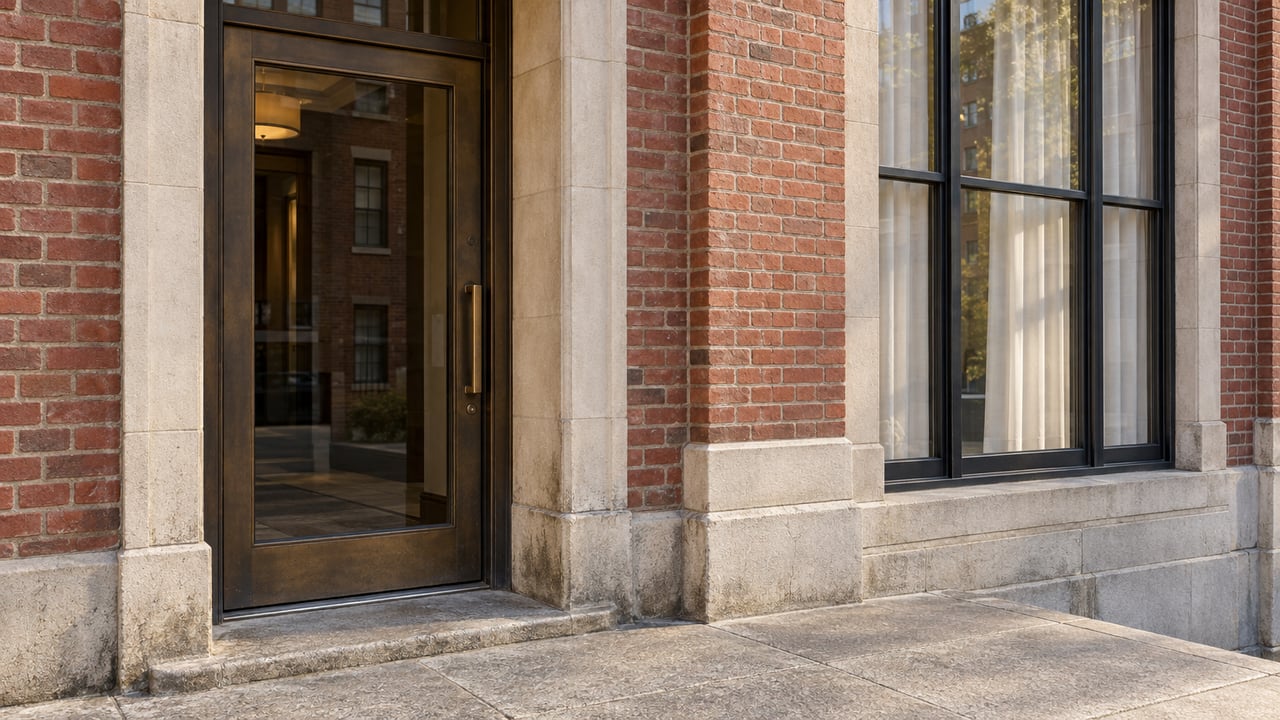
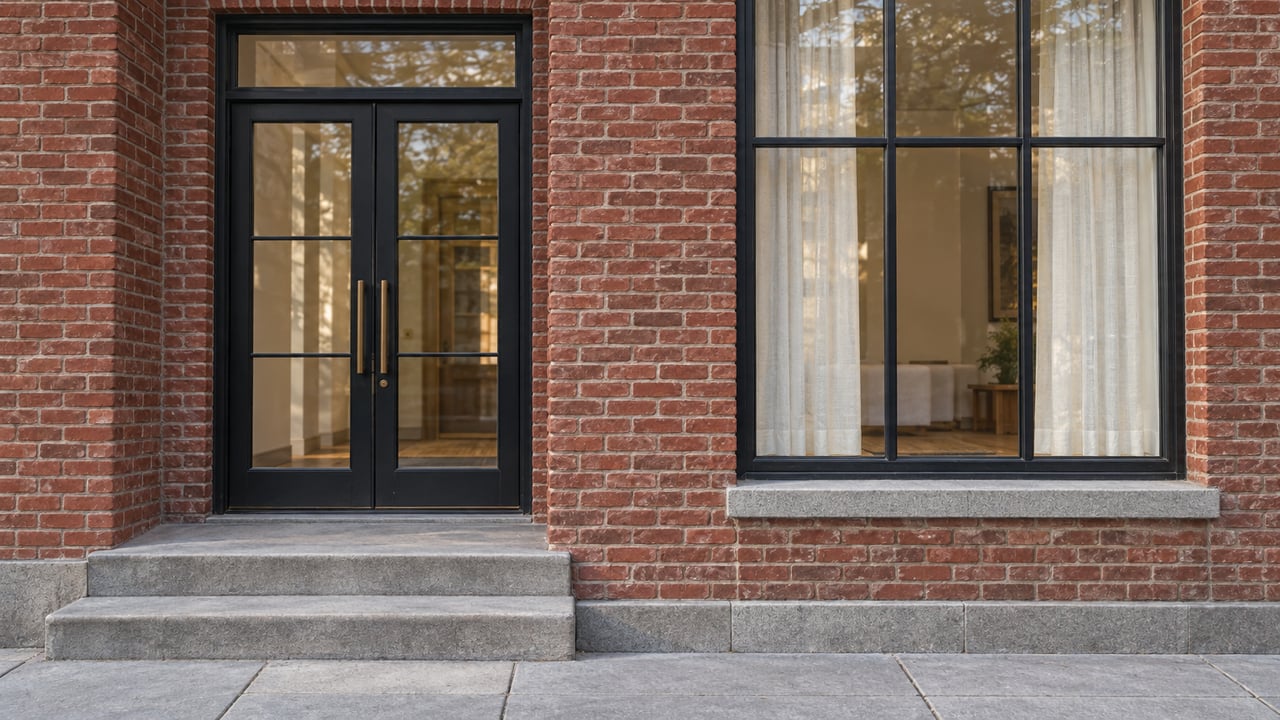
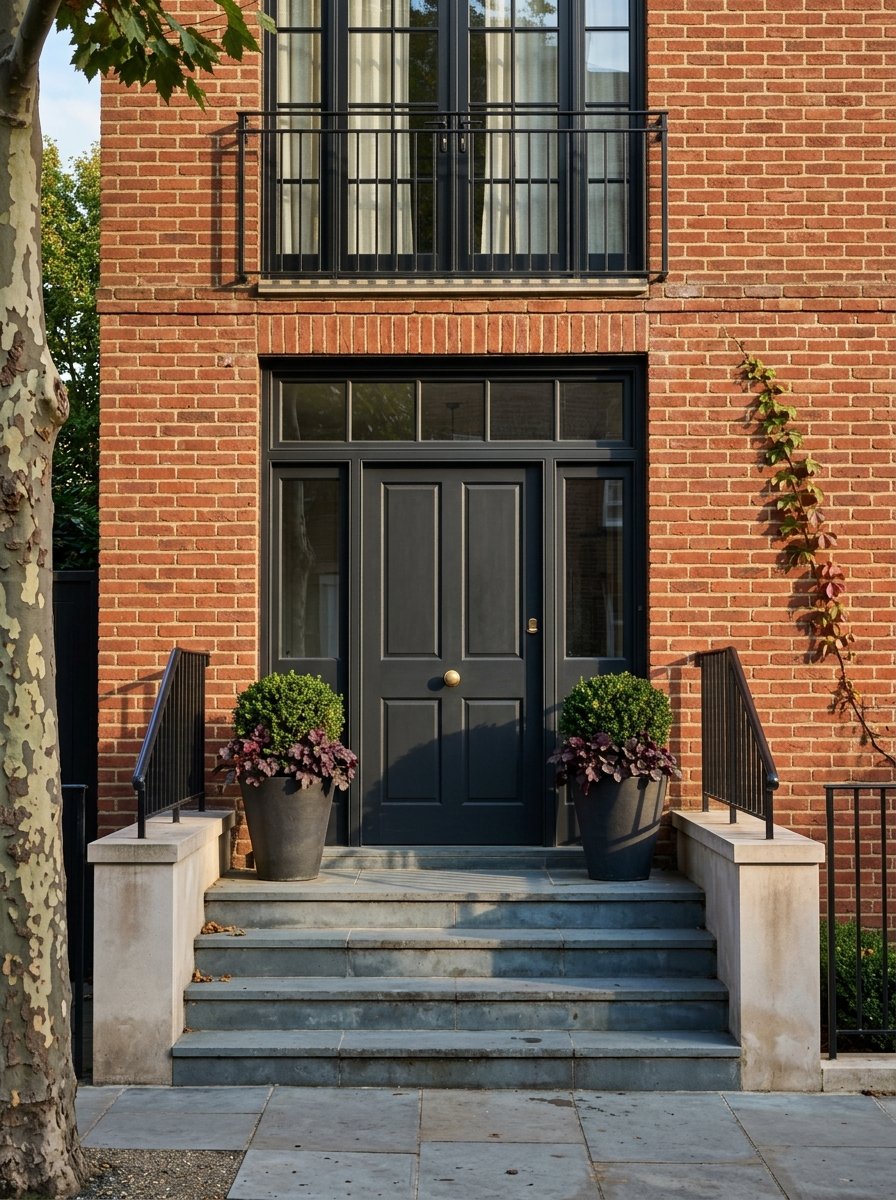
Much of the Village’s charm comes from its built form, not just from individual landmarks. The area includes Federal and Greek Revival houses, along with later apartment buildings that sit beside older rowhouse blocks. As you walk through the neighborhood, that mix creates a rhythm of stoops, low-rise facades, and reused historic buildings that feels both elegant and grounded.
Local preservation review also plays a major role in what you see today. In designated buildings and historic districts, alterations, demolition, and new construction are subject to review. For you as a visitor, buyer, or neighborhood admirer, that often translates into a streetscape that still feels historically legible and easy to love.
Washington Square Park Anchors Daily Life
If Greenwich Village has a central outdoor living room, it is Washington Square Park. NYC Parks lists the park at 9.749 acres, bordered by 5th Avenue, Waverly Place, West 4th Street, and MacDougal Street. It is not just scenic, it is a place where the neighborhood’s social life shows up in plain view.
A city restoration completed in 2014 renewed the main fountain and added expanded lawns, new planting beds, improved seating and paths, a stage, a dog run, pétanque courts, a chess plaza, and an enhanced playground. Those updates matter because they support the way people actually use the park every day. This is one reason the Village feels active instead of frozen in time.
The park also carries deeper history. City and preservation materials note that the site once served as a potter’s field, adding another layer to its story. Even now, the park continues to function as a public venue, including city programming like Movies Under the Stars.
Christopher Street and Christopher Park
Some of the Village’s most meaningful charm appears on a smaller scale. The Stonewall National Monument, established in 2016, is a 7.7-acre site that includes Christopher Park, the Stonewall Inn, and parts of nearby streets including Christopher Street, Grove Street, Waverly Street, Gay Street, Greenwich Avenue, West 4th Street, and 6th Street. In this part of the neighborhood, public space and cultural memory are closely connected.
Christopher Park is especially important because it is one of the few public open spaces serving Greenwich Village west of Sixth Avenue. It is small, but it carries outsized civic and historical weight. When you spend time here, you can feel how the Village’s identity is shaped by both everyday use and nationally significant history.
Pocket Parks Add Everyday Charm
One of the best things about Greenwich Village is that its appeal is spread across many blocks. The neighborhood’s charm is not concentrated in one landmark. Instead, it shows up in the short walks between plazas, benches, side streets, and smaller green spaces.
Within the wider walkable area, neighborhood maps identify places such as Abingdon Square, Sheridan Square Viewing Garden, Jefferson Market Garden, Freeman Plaza East, Freeman Plaza West, Freeman Plaza North, Minetta Green, Father Demo Square, and the West 4 Street Courts. These spaces help create the neighborhood’s outdoor rhythm. For you, that means a casual walk often feels rewarding even without a fixed destination.
MacDougal Street Still Feels Iconic
If you want one street that quickly captures Greenwich Village café culture, MacDougal Street is a strong place to start. It combines proximity to Washington Square Park with businesses that have deep local roots. That blend of foot traffic, architecture, and continuity gives the street much of its pull.
Dante traces its original Caffe Dante on MacDougal Street to 1915, and the café continues today at 79 to 81 MacDougal Street. Caffè Reggio has operated in Greenwich Village since 1927 and sits at 119 MacDougal Street, just steps from Washington Square Park. These are not just historic references, they are active neighborhood businesses that help keep the Village’s café tradition visible.
Cornelia Street Holds Cultural Memory
Cornelia Street offers a different kind of charm. It is quieter in feel, but it carries real cultural weight. One of its key landmarks is 31 Cornelia Street, the site of Caffe Cino.
According to the city’s designation report, Caffe Cino operated there from 1958 to 1968 as a coffee shop and experimental theater venue. It is recognized as a foundational site in the history of Off-Off Broadway and New York’s first gay theater. That history matters because it shows that Greenwich Village charm has always included creativity, risk-taking, and cultural change, not just picturesque facades.
Jefferson Market Blends Beauty and Use
Another one of the Village’s most charming corners sits around Jefferson Market Library. The building was originally a courthouse designed by Frederick Clark Withers and Calvert Vaux in a Victorian Gothic style and built between 1875 and 1877. It later reopened as a library in 1967, giving it a second life as an everyday neighborhood institution.
That combination of dramatic architecture and practical use is very Greenwich Village. The branch also maintains a Greenwich Village history archive, which reinforces its role as both a resource and a landmark. After significant improvements, the library reopened in summer 2024, showing how preservation and contemporary use can work together.
The Best Way to Experience It
The most satisfying way to understand Greenwich Village is to think in terms of routines, not attractions. You might start with coffee on MacDougal Street, walk to a bench in Washington Square Park, continue past preserved townhouses, and then head toward Jefferson Market Library. On another day, you might wander near Christopher Street and discover how small parks and short blocks shape the whole mood of the neighborhood.
This pattern works because the Village is compact, walkable, and well connected. Neighborhood maps show nearby subway and PATH access at Christopher Street, West 4th Street, and Washington Square, along with local and crosstown bus routes. That transit access supports the feeling that the Village is not just beautiful, but deeply usable.
Why These Corners Matter in Real Estate
For buyers, renters, and sellers, neighborhood charm is never only about looks. In Greenwich Village, the appeal comes from the overlap of preserved architecture, public open space, cultural history, and daily convenience. Those details shape how a block feels when you walk it, how a home is experienced from the street, and why certain areas leave such a strong impression.
If you are searching in Manhattan, this is the kind of neighborhood where small differences matter. A few blocks can change your relationship to parks, cafés, library access, and transit. Understanding those subtle patterns can help you focus your search and recognize what makes one pocket of the Village feel more like home than another.
Greenwich Village remains one of New York City’s most compelling neighborhoods because its charm is not manufactured. It lives in the preserved streetscape, the scale of its blocks, the layering of history, and the everyday rituals that still happen across its parks and corners. If you are considering a move, a purchase, or simply want a clearer read on where Village character shows up most strongly, working with a local expert can make that search far more meaningful.
If you are exploring Manhattan neighborhoods and want thoughtful, high-touch guidance, Chana Ofek can help you navigate the search with clarity and care.
FAQs
What makes Greenwich Village different from other Manhattan neighborhoods?
- Greenwich Village stands out for its preserved historic streetscape, mixed-scale architecture, pocket parks, cultural landmarks, and walkable layout tied together by strong transit access.
Which parks define daily life in Greenwich Village?
- Washington Square Park is the main gathering space, while Christopher Park and smaller places like Abingdon Square, Jefferson Market Garden, and Father Demo Square add to the neighborhood’s everyday rhythm.
Why is MacDougal Street important in Greenwich Village?
- MacDougal Street remains one of the clearest expressions of Village café culture, with long-running businesses like Dante and Caffè Reggio that still anchor neighborhood life.
What is special about Cornelia Street in Greenwich Village?
- Cornelia Street is tied to important cultural history, including 31 Cornelia Street, the former home of Caffe Cino, a foundational site in Off-Off Broadway and early gay theater history.
Why is Jefferson Market Library a key Greenwich Village landmark?
- Jefferson Market Library blends striking Victorian Gothic architecture with everyday community use, and it also maintains a Greenwich Village history archive.
How can you best explore Greenwich Village’s charming corners?
- The best approach is to walk between key areas like MacDougal Street, Washington Square Park, Christopher Street, Cornelia Street, and the blocks around Jefferson Market to experience how the neighborhood fits together.