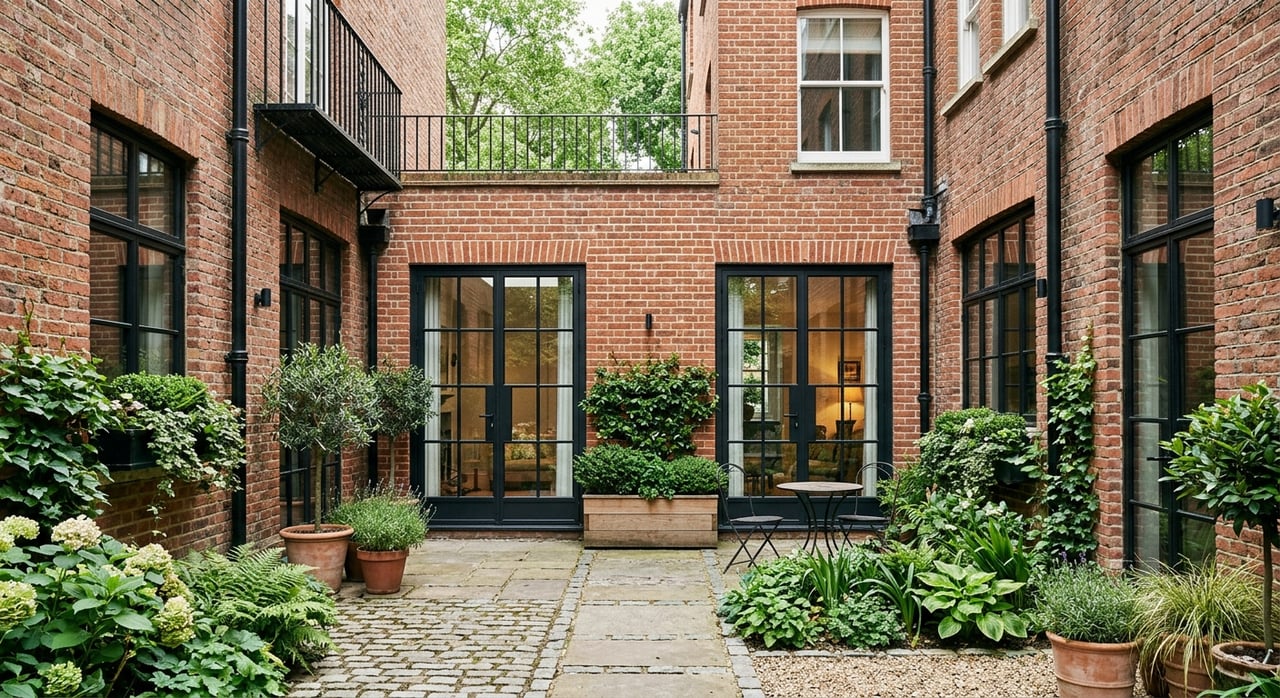
You can live in Manhattan and still feel like your days have a neighborhood rhythm. That is a big part of what draws people to the West Village. If you are wondering what daily life here actually feels like, beyond the postcard streets and restaurant buzz, this guide will walk you through the pace, setting, and practical realities of the neighborhood. Let’s dive in.
West Village street feel
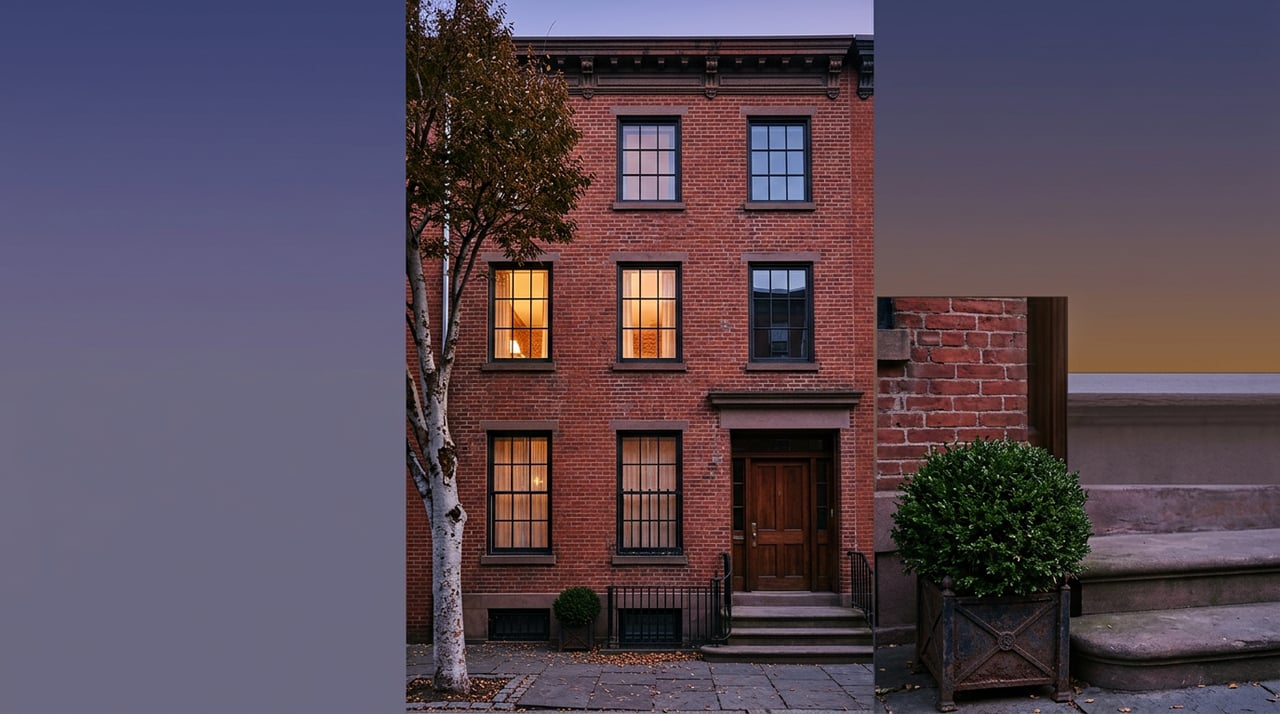
One of the first things you notice in the West Village is that it feels different from much of Manhattan at street level. The area’s historic character has been shaped by preservation, including the Greenwich Village Historic District designation in 1969 and the later district extension described by the Landmarks Preservation Commission.
In day-to-day terms, that often means lower-rise buildings, varied architecture, and blocks that feel more intimate than many high-rise parts of the city. The district includes row houses, apartments, warehouses, and buildings tied to nearly two centuries of development along the Hudson River waterfront.
The neighborhood also feels greener than many people expect. NYC Parks’ West Village tree map shows 4,372 mapped trees across 183 species, which helps explain why so many blocks feel shaded, walkable, and visually soft.
Mornings in the West Village
If you like starting your day on foot, the West Village tends to support that well. Morning routines here often revolve around local cafes and smaller neighborhood spots instead of fast commuter-style coffee counters.
That pattern shows up in the area’s long-running independent businesses. Joe Coffee notes that its original West Village shop opened at Waverly Place and Gay Street in 2003, while Cafe Cluny describes itself as a neighborhood bistro on a tree-lined, cobblestone corner. Bar Pisellino also reflects that slower rhythm, with espresso and bomboloni served from morning into the evening.
For many residents, that translates into a daily routine that feels local and repeatable. You are more likely to picture a short walk, a familiar corner, and a favorite table than a rushed grab-and-go stop.
Parks and outdoor breaks
Outdoor access is one of the biggest quality-of-life advantages in this part of downtown Manhattan. The West Village gives you easy access to both waterfront space and classic city park space without needing to go far.
Hudson River Park plays a major role in daily life here. Its Greenwich Village section includes an uninterrupted esplanade, river views, lawns for relaxing, Pier 45 at Christopher Street, a tree-lined retreat at Pier 46, shaded seating in the upland area, and the Apple Garden on Charles Street.
Because Hudson River Park is open from 6:00 AM to 1:00 AM, it works for more than just weekend outings. You can use it for an early walk, a midday reset, or an evening cooldown after work.
Washington Square Park is another nearby anchor. NYC Parks describes it as one of the city’s signature public spaces, with history tied to Minetta Creek and the Lenape village Sapokanikan in today’s West Village.
Taken together, these spaces make it easier to build outdoor time into your normal routine. That can be a meaningful difference if you want a neighborhood where open space feels built into everyday life rather than reserved for special occasions.
Evenings close to home
The West Village tends to shine in the evening, but not in a loud or oversized way. Much of the area’s appeal comes from smaller, independently run places that feel woven into the neighborhood.
On the arts side, White Columns has been on Christopher Street since 1991, Westbeth Gallery operates inside Westbeth Artist Housing, and Rattlestick Theater sits on Waverly Place. If you want a larger museum outing, the Whitney Museum is just south in the Meatpacking District near the Hudson River Greenway.
Dining follows a similar pattern. Via Carota presents itself as a neighborhood place for leisurely lunch, family dinners, and late-night amaro, while L’Artusi is an established Italian restaurant and wine bar in the area. Bar Pisellino adds another familiar option, with outdoor seating near Christopher Park and Grove Street.
What that often means for residents is that your evening can stay very close to home. You may have plenty of choices, but they often come in intimate rooms, walk-in spots, and places that reward becoming a regular.
Transit and getting around
For a neighborhood with a distinct local feel, the West Village is still highly practical. Transit access is one of its biggest strengths, especially if you prefer a car-light lifestyle.
The MTA subway map shows several nearby stations and lines that serve the area. These include West 4 St-Washington Sq on the A, C, E, B, D, F, and M, Christopher St-Sheridan Sq on the 1, 8 Av-14 St on the A, C, E, and L, and 14 St-Union Sq on the 4, 5, 6, and L.
That range of subway access helps make the neighborhood workable for commuting and cross-city trips. In practical terms, many residents can rely on walking, subway rides, and short car services rather than owning a vehicle.
What daily life feels like
The West Village often appeals to people who want their daily routine to feel both convenient and textured. You can move through your day with a mix of coffee stops, tree-lined blocks, waterfront walks, local dinners, and nearby cultural spaces.
A lot of that comes down to scale. The neighborhood is compact, preserved, and rich in destinations, so errands and leisure can easily blend together.
That said, the same qualities that make the West Village charming may not fit everyone. If you want a newer, more expansive, or more retail-heavy Manhattan environment, the neighborhood may feel less aligned with your priorities.
Who the West Village may suit
The West Village can be a strong fit if you are looking for a walkable Manhattan lifestyle shaped by smaller streets, local businesses, and frequent access to parks. It may especially appeal to buyers or renters who value historic character, waterfront access, and a built-in arts layer.
It can also work well if you want your neighborhood to feel lived-in rather than oversized. Instead of depending on one major attraction, daily life here is often defined by many small, repeatable moments that happen within a few blocks.
If that is the kind of routine you are looking for, the West Village offers a version of Manhattan that feels both connected and personal. And if you want help finding the right fit in this neighborhood or elsewhere in New York City, Chana Ofek offers hands-on guidance with the responsiveness and local perspective that matter when your move needs to come together smoothly.
FAQs
What is the West Village like for everyday walking?
- The West Village is widely experienced as walkable because of its compact layout, lower-rise streetscape, and strong tree cover, with NYC Parks mapping 4,372 trees across 183 species in the neighborhood.
What parks are near the West Village for daily use?
- Hudson River Park and Washington Square Park are key nearby options, with the Greenwich Village section of Hudson River Park offering an esplanade, river views, lawns, piers, shaded seating, and hours from 6:00 AM to 1:00 AM.
What is the West Village morning routine like?
- Mornings in the West Village often center on independent cafes and neighborhood spots such as Joe Coffee, Cafe Cluny, and Bar Pisellino, which contribute to a more local and unhurried feel.
What is the West Village like at night?
- Evenings in the West Village often revolve around intimate dining and small arts venues, including places like Via Carota, L’Artusi, White Columns, Westbeth Gallery, and Rattlestick Theater.
How is transit in the West Village?
- Transit is one of the neighborhood’s practical strengths, with access to nearby subway stations including West 4 St-Washington Sq, Christopher St-Sheridan Sq, 8 Av-14 St, and 14 St-Union Sq.
Who might enjoy living in the West Village?
- The neighborhood may appeal to people who want a walkable routine, park access, independent restaurants, historic streets, and easy access to the waterfront in a compact Manhattan setting.