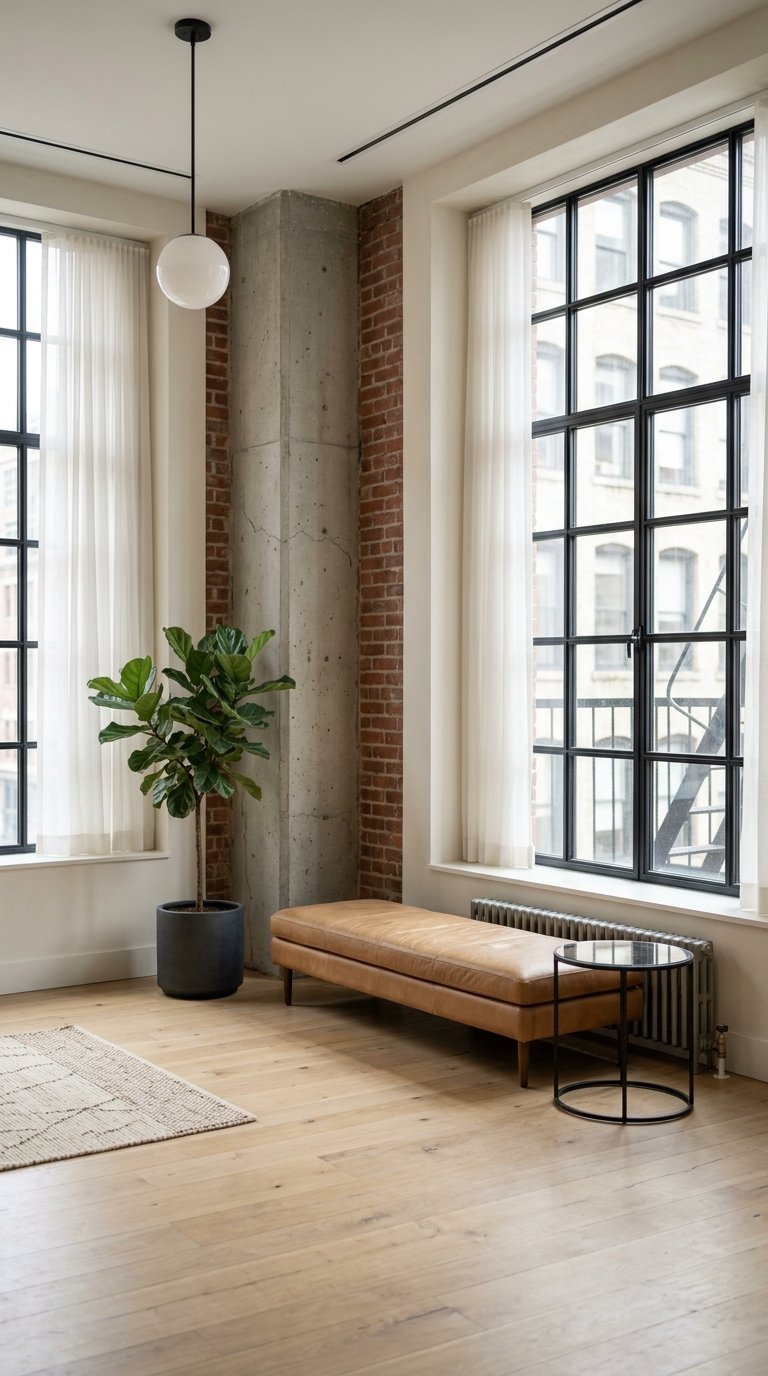
Looking for a home that feels bigger, brighter, and more personal than a typical Manhattan apartment? That is a big part of the draw of loft living in Tribeca. If you are curious about what makes these homes so distinctive, and what to look for before you buy, this guide will walk you through the space, light, lifestyle, and practical details that shape the Tribeca loft experience. Let’s dive in.
Why Tribeca lofts feel different
Tribeca lofts stand apart because many of them began as commercial or industrial buildings rather than purpose-built residential towers. In Manhattan Community District 1, the Special Tribeca Mixed Use District was created to retain industry, allow light manufacturing and residential uses to coexist, and support housing suited to a mixed-use neighborhood. That history helps explain why Tribeca still has so many converted warehouse and store-and-loft buildings.
That background is not just a fun piece of neighborhood trivia. It directly shapes how these homes look and live today. When you walk into a Tribeca loft, you are often stepping into a space that was designed for openness, utility, and large windows long before residential luxury became part of the story.
Historic character shapes the experience
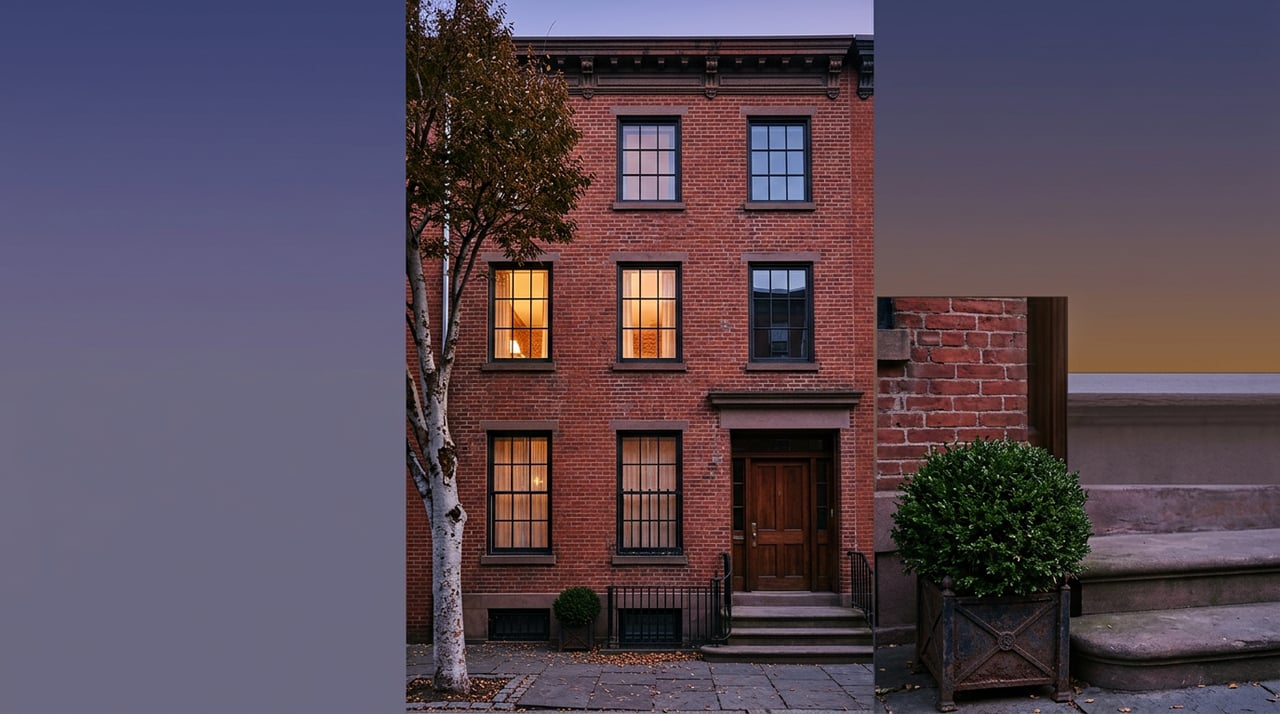
Tribeca is home to several designated historic districts, including Tribeca West, Tribeca South, Tribeca North, and Tribeca East. Landmarks Preservation Commission materials describe these areas as collections of store-and-loft buildings, warehouses, and factories, with an intact 19th-century streetscape and some of the city’s earliest surviving cast-iron commercial buildings. That architectural continuity gives the neighborhood a strong visual identity.
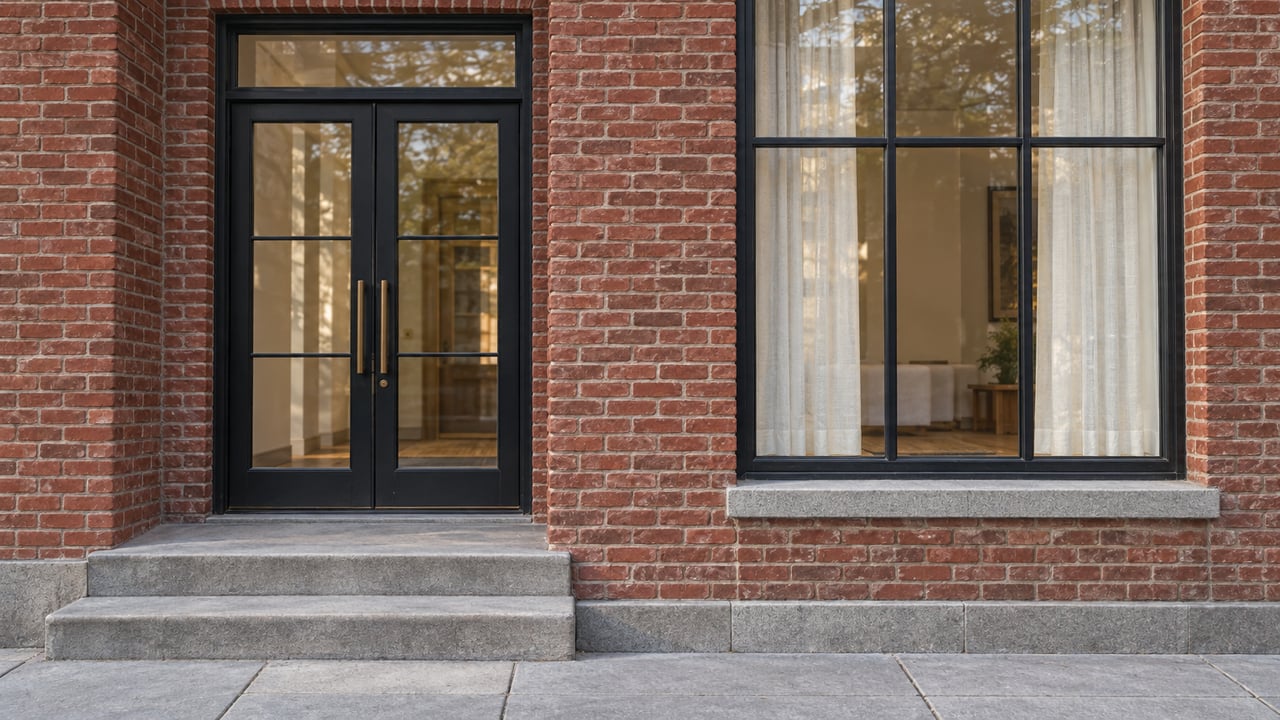
For you as a buyer, that often means a loft comes with details that are hard to replicate in new construction. Think cast-iron storefront framing, masonry walls, broad window bays, and structural elements that reflect the building’s original use. These are the features that help give Tribeca lofts their signature sense of authenticity.
Space that works differently
One of the biggest reasons buyers are drawn to Tribeca lofts is the feeling of space. Because many of these buildings were originally warehouses or commercial loft structures, they often have deeper floor plates and fewer fixed interior partitions than a conventional apartment. The result is a home that can feel more like a flexible shell than a pre-defined set of rooms.
That can be a real advantage if you want a home that adapts to your life. You may be able to create zones for dining, working, relaxing, and hosting without feeling boxed in by a standard layout. In many lofts, the room count matters less than the overall volume and how you choose to use it.
Open layouts bring freedom
In a conventional apartment, the plan often tells you exactly where everything goes. In a loft, you usually have more room to think creatively. That can make the space feel personal, especially if you value design, entertaining, or a work-from-home setup.
At the same time, open layouts ask more of you. Furniture placement, storage, and room division often need more planning because the apartment may not do that work for you. A loft can be a blank canvas, but blank canvases require intention.
Original structure still matters
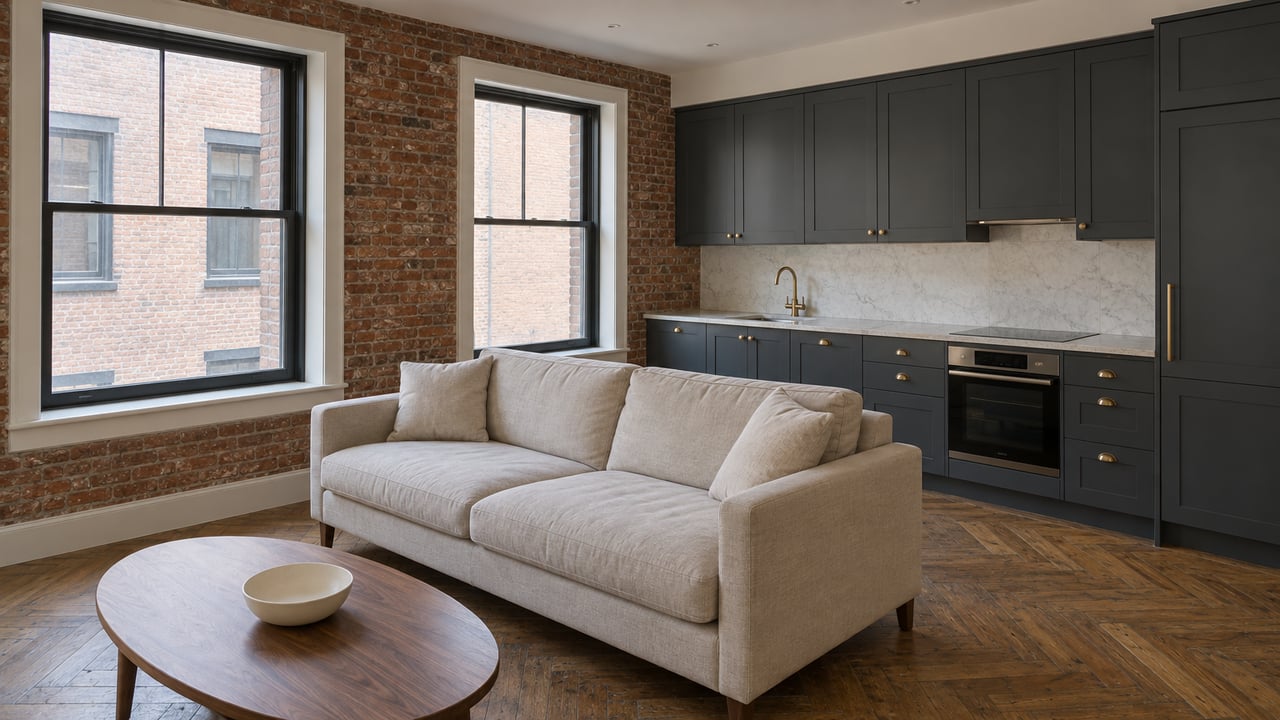
Many renovated lofts still show pieces of their industrial past. Columns, beams, masonry walls, and irregular window groupings may remain visible. These details add character, but they can also shape how you furnish and organize the space.
That is part of the real tradeoff. What gives a Tribeca loft its charm can also create quirks that a newer high-rise apartment might hide. If you love character and flexibility, those quirks may feel like part of the appeal.
Light is part of the architecture
When people picture a Tribeca loft, they often imagine sunlight pouring through oversized windows. That image is rooted in the original architecture. Historic district materials describe broad show windows, double-hung upper sash, broad window bays, and later window-wall treatments that helped create bright interiors.
This is one of the clearest design payoffs of loft living. The same building forms that once served commercial purposes now help create the airy, open feeling buyers want in a downtown home. Even before you think about finishes or furniture, the architecture is already doing a lot of the visual work.
Big windows change daily living
Natural light can affect how a home feels from morning through evening. In a loft, broad window bays can make everyday routines feel calmer and more expansive. Cooking, reading, working, or hosting can all feel different in a room with more daylight and longer sight lines.
This is also where Tribeca lofts often connect with a more design-minded buyer. If you care about texture, scale, and visual warmth, light becomes more than a feature. It becomes part of the lifestyle.
Tribeca lifestyle beyond the apartment
A great loft is not just about what is inside the walls. Tribeca’s location adds a lot to the day-to-day experience of living there. The neighborhood offers access to open space, local food culture, and year-round cultural programming that reinforce the appeal of loft living.
If you are choosing Tribeca, you are usually choosing both the home and the rhythm of the neighborhood. That combination is a big reason loft buyers stay interested in this part of Manhattan.
Riverfront access and open space
Hudson River Park begins at the northern boundary of Battery Park City in Tribeca and runs four miles up Manhattan’s west side. The park spans 550 acres and includes riverfront open space that supports running, biking, and time outdoors. For loft owners, that easy access can balance the density of city life.
Closer in, Bogardus Plaza on Hudson Street between Chambers and Reade offers a permanent pedestrian plaza with movable seating, planting, and community events. It adds another layer of everyday livability without leaving the neighborhood.
Food culture that fits loft living
GrowNYC’s Tribeca Greenmarket runs year-round on Saturdays on Greenwich Street between Chambers and Duane. It brings in produce, meat, seafood, cheese, flowers, and other producer-only goods. That kind of market culture pairs naturally with the generous kitchens and entertaining spaces many buyers hope to find in a loft.
If you like the idea of cooking at home, hosting friends, or simply enjoying a more local routine, this matters. It helps connect the architecture of the home with the habits of daily life.
Creative energy in the neighborhood
Tribeca’s identity is also shaped by culture. The Tribeca Festival includes programming across film, TV, music, audio storytelling, games, and XR. That helps the neighborhood feel connected to a broader creative corridor in Lower Manhattan rather than only functioning as a residential pocket.
For some buyers, that creative atmosphere is part of the appeal of loft living itself. The neighborhood and the architecture feel aligned.
What to check before buying
A Tribeca loft can be inspiring, but it is important to look beyond aesthetics. In New York City, a loft is not only a style term. Legal status matters.
The NYC Loft Board regulates the legal conversion of certain lofts from commercial or manufacturing use to residential use. The NYC Department of Buildings also states that a Certificate of Occupancy identifies a building’s legal use and permitted occupancy. Before you fall in love with the finishes, it is smart to understand exactly what kind of property you are buying.
Confirm legal use and occupancy
Start by asking whether the unit is a legal residential apartment, part of a condo or co-op conversion, or a loft-law property still subject to Loft Board oversight. This is a key distinction in Tribeca because of the neighborhood’s building history. The answer can affect how the property is used and understood from a legal standpoint.
You should also review the building’s Certificate of Occupancy, since that document states how the building may legally be used. In a loft market, this is one of the most important practical checks.
Understand landmark review rules
If the property is in one of Tribeca’s historic districts, exterior changes may be more limited than you expect. The Landmarks Preservation Commission says most exterior changes to front and rear facades in historic districts require review. Ordinary repairs like replacing broken glass, repainting to match the existing color, or caulking around windows usually do not require a permit.
This matters if you are thinking ahead about window updates or exterior alterations. Interior design freedom and exterior flexibility are not always the same thing.
Plan for customization
Even a beautifully renovated loft may require more planning than a standard apartment. Open layouts can be wonderful, but they also tend to raise practical questions about storage, room division, privacy, and furniture scale. If more of the original shell remains, those questions can become even more important.
That does not make loft living harder. It just means the value often comes from thoughtful design choices rather than a plug-and-play layout.
Is Tribeca loft living right for you?
If you want clean lines, abundant light, flexible space, and a home with architectural history, Tribeca loft living can be incredibly compelling. These homes offer a combination that is hard to find elsewhere in Manhattan: industrial bones, residential comfort, and a neighborhood experience shaped by parks, plazas, markets, and culture.
The key is knowing what you are buying. When you understand the building’s legal status, the role of landmark oversight, and the design realities of open-plan living, you can evaluate a loft with much more confidence. If you want help narrowing the options and making sense of the details, Chana Ofek brings a boutique, hands-on approach to curated buyer searches across New York City.
FAQs
What makes Tribeca lofts different from regular apartments?
- Many Tribeca lofts were created from former commercial or industrial buildings, so they often offer broader window bays, fewer fixed partitions, and a more flexible interior feel than a conventional apartment.
What should you check before buying a Tribeca loft?
- You should confirm the building’s legal residential status, review the Certificate of Occupancy, ask whether the property is subject to Loft Board oversight, and understand whether landmark rules affect exterior changes.
Why do Tribeca lofts feel so bright?
- Historic store-and-loft and warehouse buildings in Tribeca were built with broad window bays, large show windows, and later window-wall treatments that help create the airy feel buyers associate with loft living.
How do historic districts affect Tribeca loft owners?
- In Tribeca’s historic districts, most exterior changes to front and rear facades require Landmarks Preservation Commission review, while some ordinary repairs usually do not.
What lifestyle benefits come with living in Tribeca?
- Tribeca offers access to Hudson River Park, public spaces like Bogardus Plaza, the year-round Tribeca Greenmarket, and cultural programming such as the Tribeca Festival.