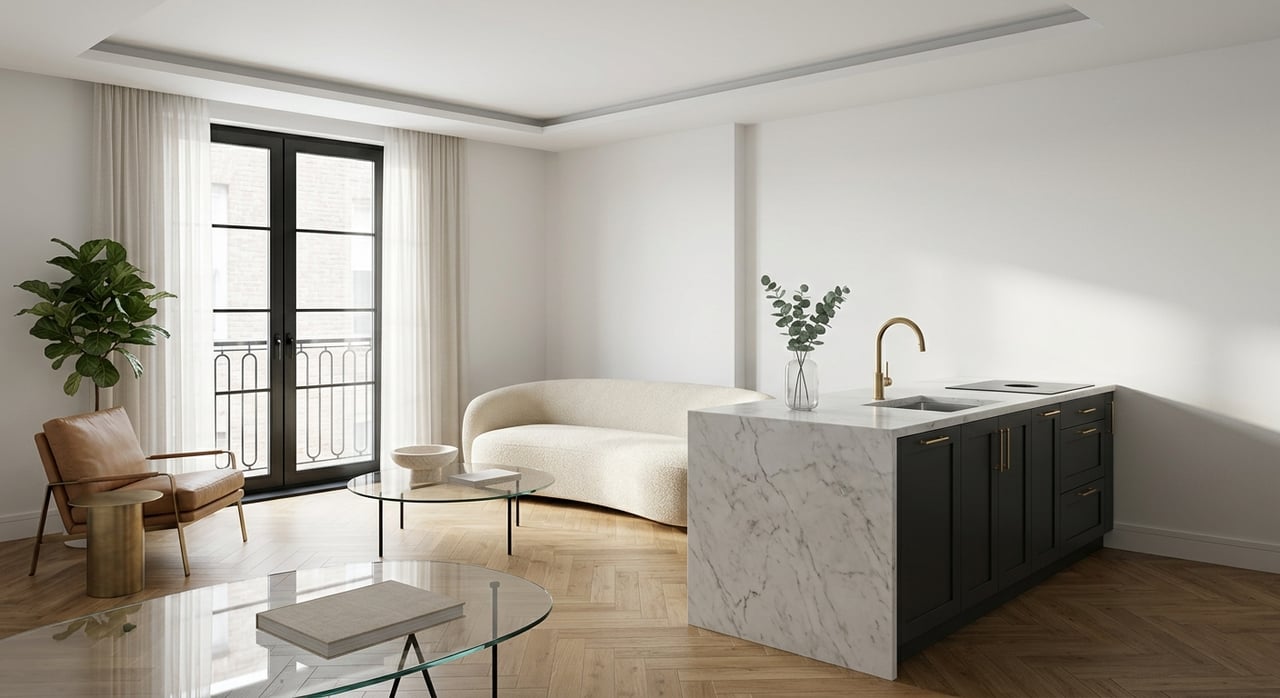
Selling on Central Park West is not the same as selling just anywhere in Manhattan. Buyers here often walk in looking for a mix of light, scale, architectural character, and polished presentation, and they are comparing your home against some of the city’s most distinctive prewar inventory. If you want to hit the market with confidence, the goal is not to over-renovate. It is to prepare smartly, present beautifully, and stay organized from day one. Let’s dive in.
Why preparation matters on Central Park West
Central Park West sits within a premium Upper West Side market where presentation and pricing discipline carry real weight. StreetEasy reported a median asking price of $1.8 million on the Upper West Side in March 2026, while Manhattan homes entering contract spent a median of 91 days on market in late 2025. That means first impressions matter, and so does launching with a plan.
This stretch is also shaped by older housing stock and historic architecture. Much of the corridor falls within the Upper West Side/Central Park West Historic District, and buyers are often weighing modern finishes against classic details like ceiling height, original moldings, large windows, and layout flow. Your preparation should help those strengths stand out.
Start with a seller mindset
Before you make any changes, step back and view your apartment the way a buyer will. On Central Park West, many buyers begin online, then decide whether the home looks bright, spacious, and worth touring. The spaces that feel calm, clean, and easy to understand tend to make the strongest impression.
That is why preparation is usually less about a major renovation and more about editing. You want each room to feel open, well cared for, and visually balanced. In a prewar apartment especially, too much furniture or too many personal items can hide the very features buyers came to see.
Focus on decluttering first
If you do one thing before listing, start here. The first pass should be removing excess furniture, packing away personal items, and simplifying every room so it feels larger and more flexible. Staging is meant to highlight a home’s strengths, not remodel it.
For many Central Park West homes, this means letting the architecture breathe. If you have tall windows, detailed trim, or generous room proportions, make sure nothing is blocking those sightlines. Buyers should notice the apartment itself first, not your storage needs or your décor collection.
A practical pre-listing decluttering checklist includes:
- Remove bulky or oversized furniture
- Clear entryways and main walking paths
- Pack away personal photos and highly specific décor
- Minimize books, papers, and countertop items
- Organize closets so they appear usable and tidy
- Edit bathroom surfaces down to the essentials
Prioritize the rooms buyers notice most
Not every room needs the same level of effort. The spaces most often staged are the living room, primary bedroom, dining room, and kitchen. In a Central Park West apartment, these are also the rooms that usually carry the listing photos and shape the buyer’s first reaction.
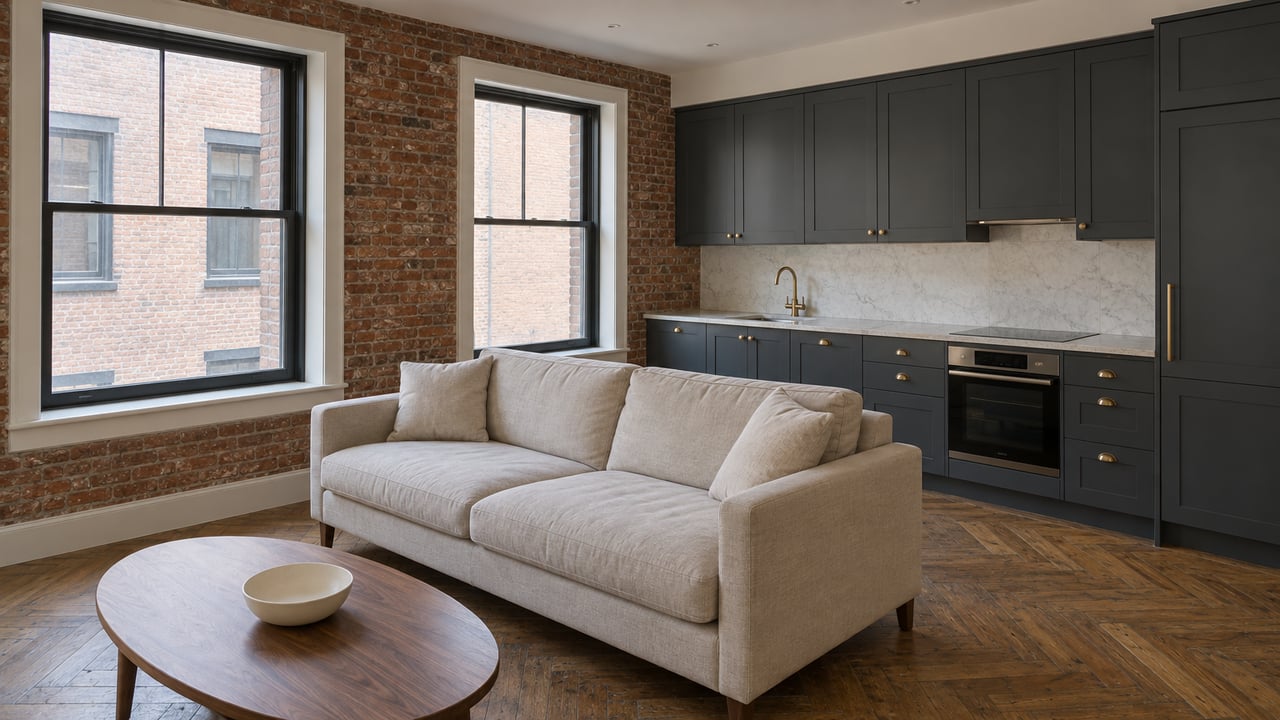
Your living room should feel easy to enter and easy to place furniture in. The primary bedroom should read as restful and spacious. The kitchen should look clean and functional, with as little visual clutter as possible.
If your home has a formal dining room, a windowed eat-in area, or a foyer with architectural presence, those can also become quiet selling points. The key is proportion. Furniture should support the room, not crowd it.
Handle small repairs before photos
Small flaws can pull attention away from the bigger picture. Burnt-out bulbs, dusty light fixtures, chipped paint, scuffed walls, and worn caulking all signal deferred maintenance in photos, even when the overall apartment is strong.
These are often low-cost fixes, but they can make a home feel brighter and more cared for. A buyer scrolling through listings may not consciously list every detail they notice, but they will react to whether a home feels crisp or tired.
Before you schedule photography, aim to:
- Replace burnt-out light bulbs
- Clean light fixtures and glass surfaces
- Patch minor wall damage
- Touch up paint where needed
- Deep-clean bathrooms and kitchens
- Remove dust from vents, trim, and window areas
Make light and views part of the strategy
On Central Park West, light is not a bonus. It is part of the product. The same is true for open exposures, park outlooks, skyline views, and large window counts. These should be treated as core marketing assets in your prep plan.
Open blinds and clean the windows thoroughly so natural light can do its job. If your apartment faces Central Park or has an open western or southern exposure, avoid blocking that view with heavy drapery or oversized furniture. Buyers often decide whether to visit based on photos, and photos work hardest when the apartment feels bright and open.
Balanced lighting matters too. A well-lit apartment reads as cleaner, larger, and more inviting online. That can directly influence how many showing requests you receive.
Use staging to clarify the space
Staging can help buyers picture how they would live in the home. According to the 2025 NAR staging report, 83% of buyers’ agents said staging made it easier for buyers to visualize a future home. About half also reported that staged homes sold faster.
For some sellers, that means bringing in a professional stager. For others, it means making design-minded edits with a clear plan for layout, scale, and flow. Either way, the goal is the same: define each room clearly and show how the apartment lives.
A few staging principles work especially well in Central Park West homes:
- Keep furniture appropriately scaled for the room
- Create clear sightlines to windows and architectural details
- Use restrained styling rather than overly themed décor
- Let one or two strong features lead each room
- Avoid making the space feel overfilled
If the apartment is vacant, virtual staging may be an option. If any photo enhancements materially alter the property, those changes should be disclosed.
Get photography right the first time
In today’s market, photography is one of the most important parts of your launch. NAR reports that more than 90% of buyers search online, and 85% say photos are the most important factor in deciding which homes to tour. That makes photography part of your sales strategy, not just a marketing extra.
The strongest listing photos usually come after the home has been fully prepped, not before. That means cleaned surfaces, reduced clutter, open blinds, balanced lamps and fixtures, and styling that supports the apartment’s scale.
For Central Park West listings, photography should emphasize:
- Natural light
- Window lines and exposures
- Ceiling height and room proportions
- Prewar architectural details
- Park, skyline, or open views where applicable
- A clean, cohesive visual story from room to room
Gather co-op or condo documents early
On Central Park West, unit prep is only part of the job. Buyers often look closely at the building itself, especially in co-ops and older condos. The New York Attorney General notes that board minutes and recent financial reports can reveal repair needs, defects, or building-wide costs.
That is why it helps to gather building materials early. If questions about assessments, capital projects, or known issues are likely to come up, you do not want to be scrambling after a buyer shows interest. Organized sellers tend to move through due diligence more smoothly.
Helpful items to assemble before listing may include:
- Recent building financial statements
- Board minutes, if available through the managing agent or building process
- Information on current or upcoming assessments
- Notes on capital projects or major repairs
- House rules or application requirements
- Any renovation or alteration paperwork relevant to the unit
Understand the disclosure and timeline realities
For most Central Park West apartment sales, the New York Property Condition Disclosure Statement does not apply because condominium units and cooperative apartments are excluded from that requirement. In practical terms, that means the transaction often centers more on the contract, building documents, and buyer due diligence than on a standalone state disclosure form.
If you are selling a co-op, timeline planning matters. A 2026 NYC law generally requires co-ops to acknowledge receipt of an application within 15 days and notify the buyer within 45 days after a complete application, with possible extensions in some cases. Even with that framework, board review can still be a meaningful part of the sale timeline.
Be careful with exterior work
If you are thinking about doing work before listing, keep the location of that work in mind. In historic districts, many exterior changes to front and rear facades require review by the Landmarks Preservation Commission, while ordinary interior repairs usually do not.
Because much of Central Park West sits within a historic district, items like window replacement or other visible exterior changes may need approval before work can proceed. If your prep list includes anything beyond cosmetic interior updates, confirm the building and landmark implications early.
Choose your listing window thoughtfully
Timing can support a strong launch. StreetEasy reports that NYC inventory typically peaks between April and June and again in October, with price cuts rising after Memorial Day and Labor Day. That makes early spring and early fall especially practical windows to consider.
For a Central Park West home, those periods can also align well with strong natural light and the visual appeal of the park setting. It is not a formal rule, but it is a useful planning lens. If you want to list in one of those windows, start your prep well in advance.
Budget for seller closing costs
Preparation is not only about paint, cleaning, and staging. Sellers should also plan for closing costs. In New York City, the Real Property Transfer Tax applies to sales and transfers of co-op shares and condo units.
That is one more reason to prepare early and review numbers before you launch. When you understand both presentation costs and closing costs upfront, it is easier to make clear decisions about pricing and timing.
A smart Central Park West prep plan
If you want a simple way to think about the process, focus on three tracks at the same time: presentation, paperwork, and timing. When those move together, your listing is more likely to come to market smoothly and make a strong first impression.
Here is a practical sequence:
- Declutter and edit the apartment room by room
- Complete small repairs and deep cleaning
- Plan staging around light, scale, and architecture
- Prepare the home fully before photography
- Gather building and financial documents early
- Review likely timeline issues for co-op or condo due diligence
- Choose a launch window that supports visibility and momentum
Selling on Central Park West calls for nuance. Buyers here are often responding to both emotion and detail, and the homes that perform best usually feel polished without feeling forced. If you prepare with care, your apartment can enter the market looking clear, confident, and ready to compete.
If you are thinking about selling and want hands-on guidance with staging, presentation, and a tailored launch plan, Chana Ofek can help you prepare your home with a boutique, high-touch approach.
FAQs
What should I fix before listing a Central Park West apartment?
- Start with small, visible issues like burnt-out bulbs, dusty fixtures, wall scuffs, chipped paint, and anything that makes the home feel less cared for in photos or during showings.
Do I need to renovate my Central Park West home before selling?
- Not necessarily. The research supports starting with decluttering, light repairs, cleaning, and staging rather than treating pre-listing prep as a full remodeling project.
When is the best time to list a Central Park West home?
- Broad NYC seasonality often favors early spring and early fall, since inventory tends to peak between April and June and again in October, with more price cuts appearing after Memorial Day and Labor Day.
What documents should I gather before selling a Central Park West co-op or condo?
- It helps to gather building financials, board minutes where available, information on assessments or capital projects, and other building materials that may come up during buyer due diligence.
Do historic district rules affect Central Park West home preparation?
- Yes, they can. Ordinary interior repairs usually do not require landmark review, but visible exterior changes in historic districts may need approval before work can move forward.
How long should I budget to prepare a Central Park West apartment for market?
- Build in time for decluttering, repairs, staging, photography, document collection, and, if relevant, co-op board process planning or landmark-related approvals for exterior work.