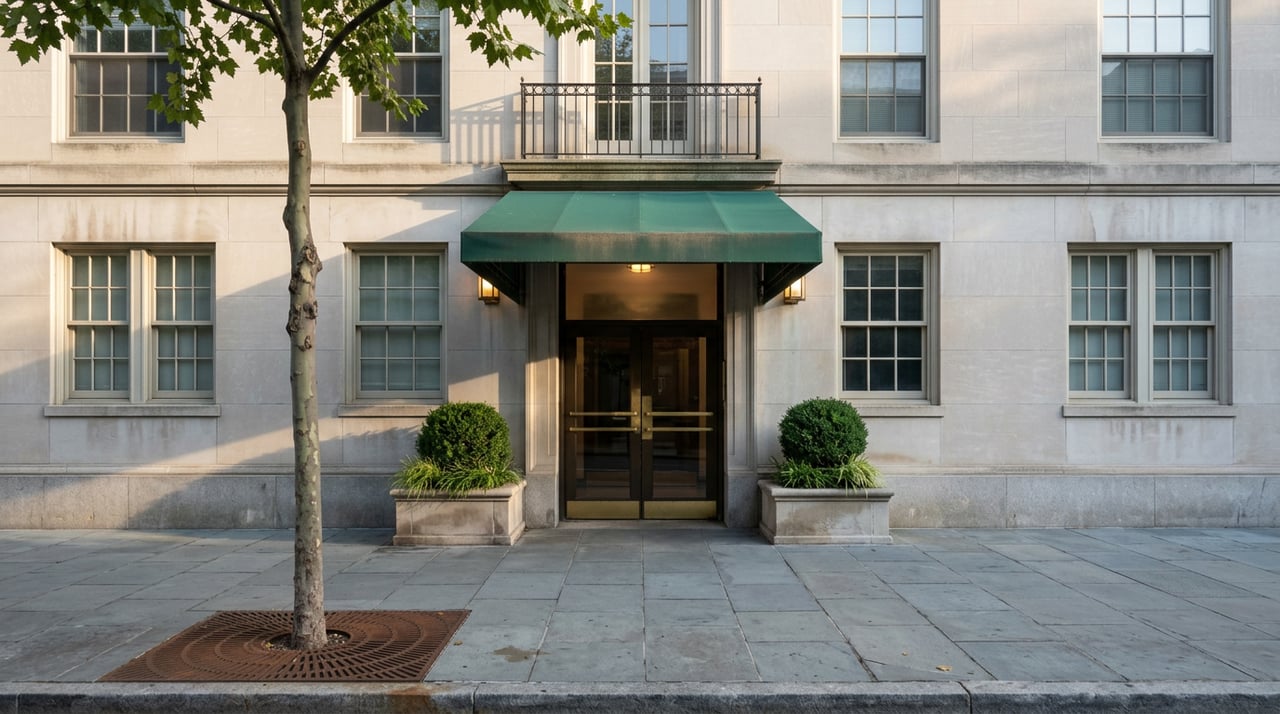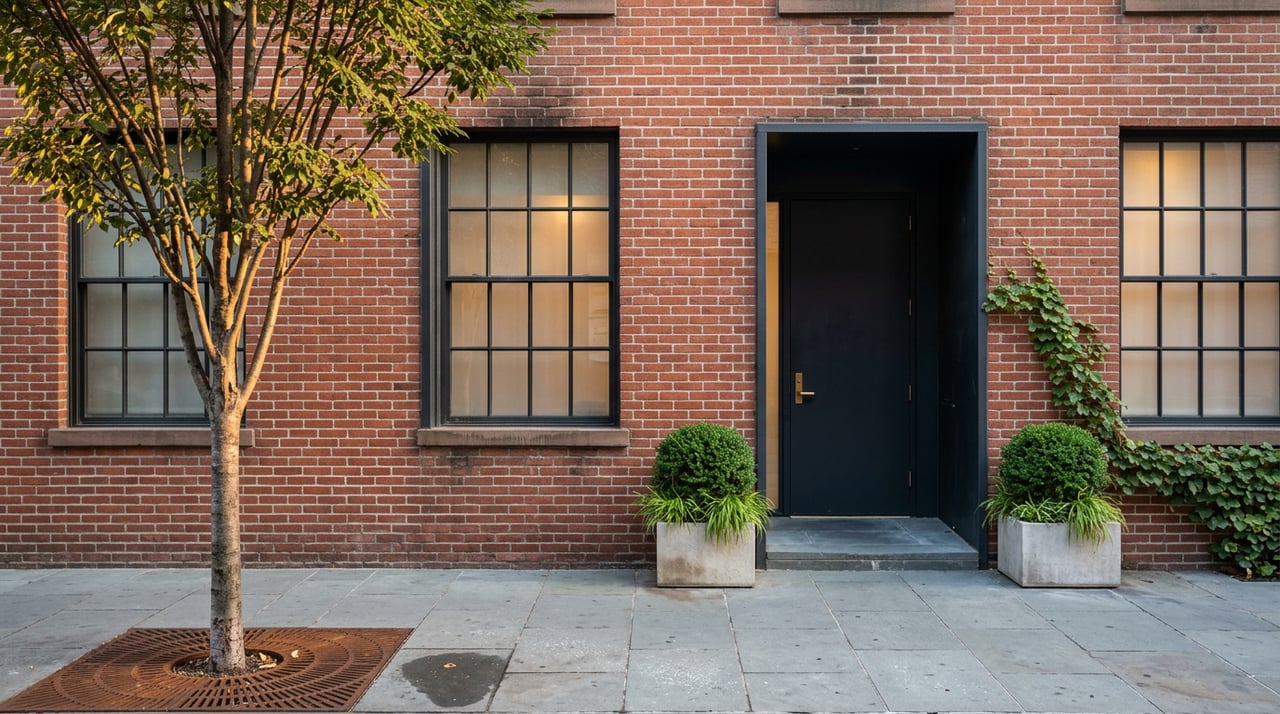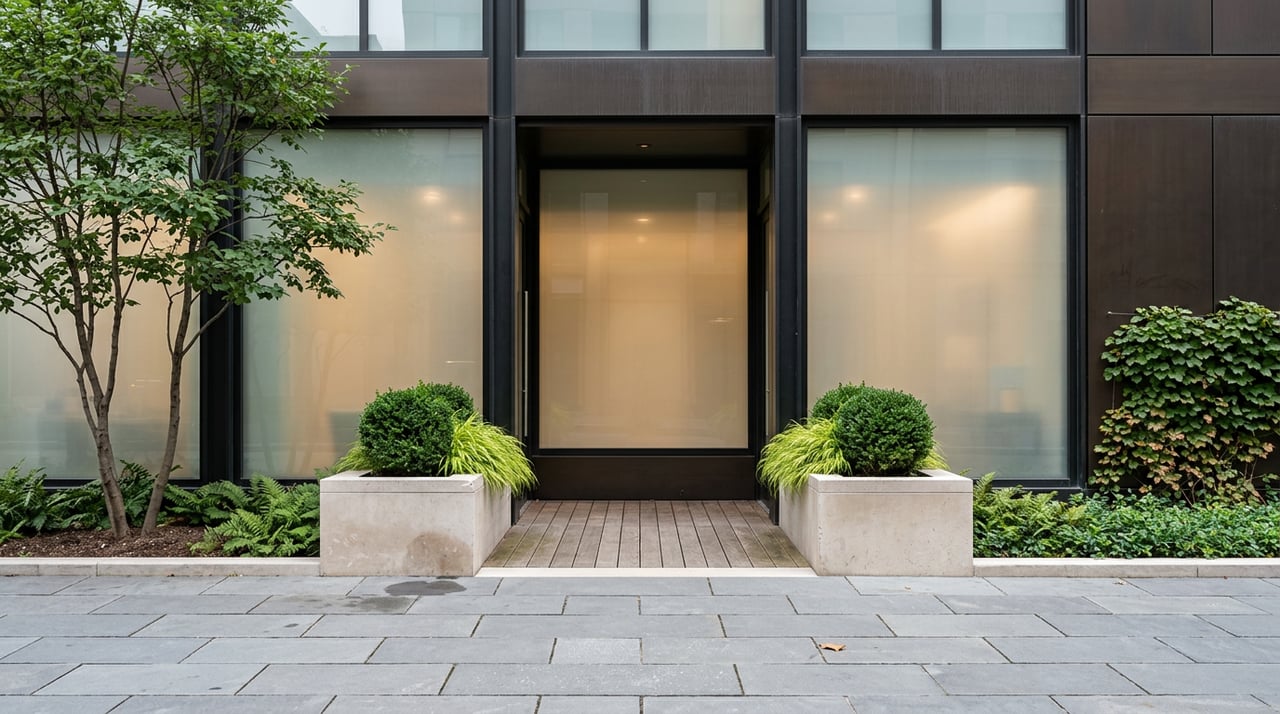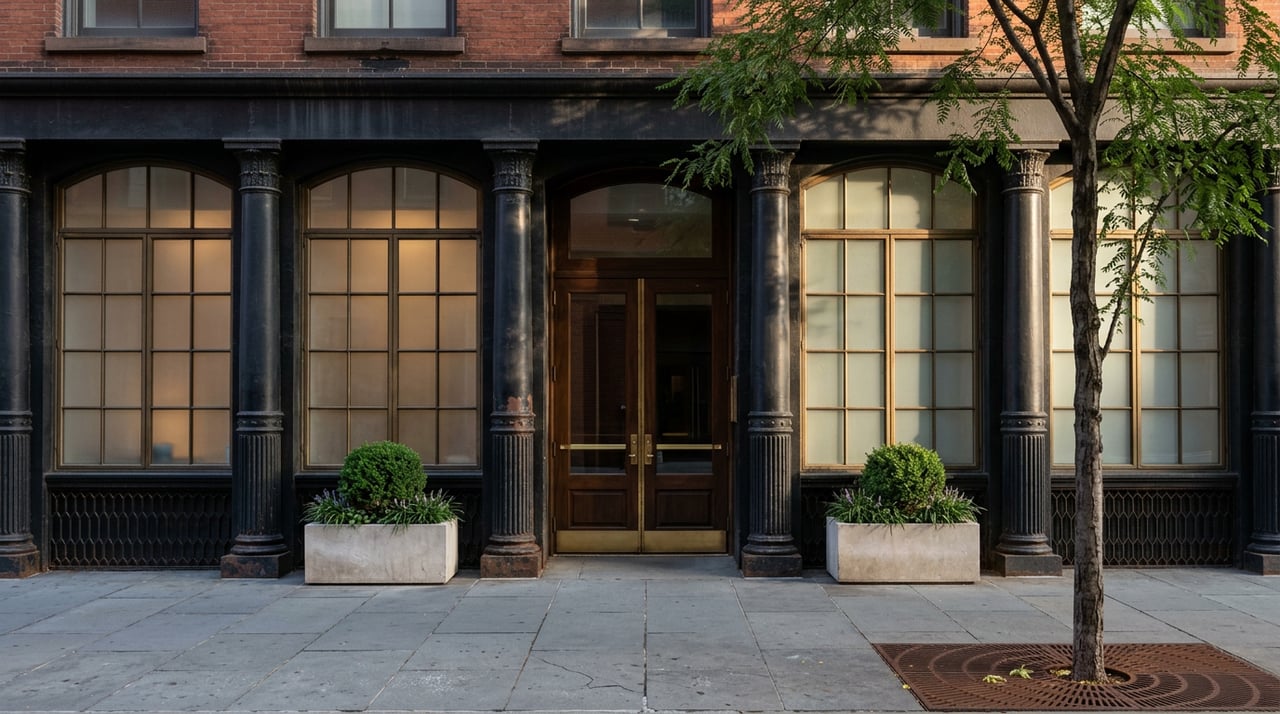
Two lofts. Same block in Tribeca. Same square footage, same exposed brick, same 1900s bones. One is listed at $2,999,999. The other, a few doors down, is asking $3,000,001. On paper they look identical. At closing, they are not. The second buyer owes $7,500 more in New York State mansion tax than the first, for a difference of two dollars in price.
That is not a rounding error. It is how New York's mansion tax actually works, and it explains a pricing pattern you will see over and over if you spend enough time looking at Tribeca loft listings: prices that stack up just under round numbers, again and again, right where the tax brackets sit.
The Cliff, Not a Slope
Most people assume a tax like this works the way income tax brackets work, where you only pay the higher rate on the amount above the line. The mansion tax does not work that way. Whatever bracket a sale price lands in, that rate applies to the entire purchase price, not just the portion above the threshold. Buy at $999,999 and you owe zero mansion tax. Buy at $1,000,000 and you owe $10,000. One dollar changed the bill by ten thousand.
The pattern repeats up the price ladder. A sale at $2,999,999 falls in the 1.25 percent bracket, for a tax of $37,500. A sale at $3,000,001, two dollars higher, falls in the 1.5 percent bracket, for a tax of $45,000. That two-dollar difference in price costs the buyer $7,500 at the closing table.
| Price sits at | Bracket rate | Mansion tax owed |
|---|---|---|
| $999,999 | 0% | $0 |
| $1,000,000 | 1% | $10,000 |
| $2,999,999 | 1.25% | $37,500 |
| $3,000,001 | 1.5% | $45,000 |
This is why sellers and their brokers price so deliberately around these lines. A loft that could reasonably ask $3.05 million often gets priced at $2.95 million instead, because a buyer weighing two nearly identical units will notice the tax cliff before they notice a $100,000 difference in list price. The threshold itself becomes a negotiating tool.
Why Tribeca Sits Right on the Edge
This mechanism matters more in Tribeca than in most Manhattan neighborhoods because of where the neighborhood's prices actually sit. Tribeca and SoHo command the highest price-per-square-foot metrics of any downtown submarket, and Tribeca has maintained consistent price growth alongside the West Village because supply is genuinely scarce. That combination pushes a large share of the neighborhood's loft resales directly into the $2 million to $5 million range, which happens to be exactly where the mansion tax brackets are most closely spaced.
Here is the part that rarely gets mentioned: those bracket thresholds were set in 2019 dollars and have never been adjusted for inflation. As Tribeca's per-square-foot values keep climbing, more of the neighborhood's ordinary loft sales get pulled into higher brackets each year, not because the tax law changed but because the market did. A unit that would have cleared the $2 million bracket comfortably five years ago now sits right on top of the $3 million line. The tax did not get more aggressive. Tribeca did.
The Co-op Complication
Tribeca's loft stock is not uniform, and that matters just as much as the price. Many of the neighborhood's classic industrial loft conversions, the ones with the exposed columns and the wide-open floor plans, sit inside co-op buildings rather than condos. Newer construction and recent boutique conversions tend to come to market as condos instead.
That split changes the real cost of two units priced within a few thousand dollars of each other. Co-op boards commonly cap financing at 70 to 80 percent of the purchase price and expect one to two years of post-closing liquidity documented in cash reserves, on top of whatever down payment the board requires. A condo buyer at the same price point uses a standard mortgage with none of that additional liquidity test. So a $2.9 million co-op loft and a $2.9 million condo loft can require very different amounts of cash in the bank before either deal closes, even before the mansion tax bracket is factored in.
Timing diverges too. Co-op sales average 90 to 120 days to close because of the board approval process that follows an accepted offer, while a correctly priced condo can close in 30 to 45 days. Buyers who need speed, whether for a lease expiration or a competing bid elsewhere, often steer toward condos for this reason alone.
One recent change is already reshaping how these board timelines play out. Since July 28, 2026, covered co-op buildings in New York City have been required to acknowledge a completed application within 15 days and issue a decision within 45 days, under the city's new Cooperative Application Timeline Law. It does not guarantee approval and a missed deadline does not approve an application automatically. It simply makes a historically unpredictable process somewhat easier to plan around, and any Tribeca loft co-op purchase moving through a board this month falls under it.
The list price tells you what the seller wants. The ownership structure, the tax bracket, and the board's financing rules together tell you what the purchase actually costs.
The New Supply Is Condo, and That Changes the Math
Two projects moving through Tribeca right now show where the neighborhood's loft inventory is headed, and it is not toward more co-ops. Urban Capital Group and Prosper Property Group are converting 32 and 34 Walker Street, a landmarked 19th-century cast-iron textile warehouse in the Tribeca East Historic District, into five full-floor loft condominiums with ceiling heights running 12 to 16 feet. The $32 million loan from Kriss Capital and the Landmarks Preservation Commission approval were already in place when the project broke ground, with completion originally targeted for the second quarter of 2026.
A separate project a few blocks over is following the same script. Broad Street Development is converting a 1909 warehouse at Franklin and Varick, originally built for the food importer Strohmeyer and Arpe Co., into three- to five-bedroom condominiums, backed by a $71 million construction loan arranged by JLL Capital Markets. The building sits near Pier 25 and the Hudson River Park waterfront, and the conversion follows the same Landmarks approval path that governs most redevelopment in Tribeca's historic districts.
Both projects add loft-scale inventory to the market as condos, not co-ops. Over time, that shifts Tribeca's ownership mix and gives future buyers more no-board options. It also means this fresh supply is landing squarely in the price range where mansion tax brackets bite hardest, which keeps the pricing-around-thresholds pattern alive rather than resolving it.
One More Layer at the Very Top
Buyers looking above $5 million should know about a second, newer tax that has nothing to do with the purchase itself. New York's FY2027 budget agreement, finalized May 7, 2026, folded in a pied-a-terre surcharge on homes worth $5 million or more where the owner's primary residence is outside New York City. The test is based on market value, not the deliberately low assessed value that appears on a city property card, and it applies annually rather than once at closing. A buyer who lives in Manhattan full time and owns a $20 million Tribeca condo as a primary residence owes nothing under this surcharge. A buyer who keeps the same unit as a second home while living elsewhere does.
For Tribeca's upper tier, where a meaningful share of buyers are exactly the kind of out-of-state or international owner this surcharge targets, that primary-residence test is worth understanding before an offer goes in, not after.
What This Means If You're Actually Comparing Two Listings
None of this means Tribeca loft prices are irrational. It means the number on the listing sheet is the beginning of the comparison, not the end of it. Two units at the same price can carry different total costs depending on which side of a tax bracket they sit on, whether the building is a co-op or a condo, and how much cash reserve a board will expect after closing.
Before treating any two Tribeca listings as comparable, it is worth asking where each one sits relative to the nearest mansion tax threshold, whether the building's ownership structure comes with board financing caps or subletting limits, and what timeline each path realistically requires. Those three questions usually explain more about the final number than the square footage does.
Does the mansion tax apply the same way to co-ops and condos? Yes. The mansion tax applies to residential purchases of $1 million or more regardless of whether the property is a condo, co-op, or house, and the buyer pays it at closing in either case.
Can a buyer negotiate around a mansion tax bracket? It happens often near round numbers. A seller asking just above a threshold may accept an offer just below it, since the buyer's total savings from avoiding the higher bracket can exceed the price difference. Any such adjustment should go through a real estate attorney to be structured properly.
Does the new co-op application timeline law guarantee faster approvals? No. It has set acknowledgment and decision deadlines for covered buildings on applications submitted since July 28, 2026, but it does not require a board to approve any given buyer.
If you are weighing a Tribeca loft against another downtown option and want to understand what a specific listing actually costs once the tax bracket, the ownership structure, and the closing timeline are accounted for, Chana Ofek can walk through the real math with you. Let's Connect.