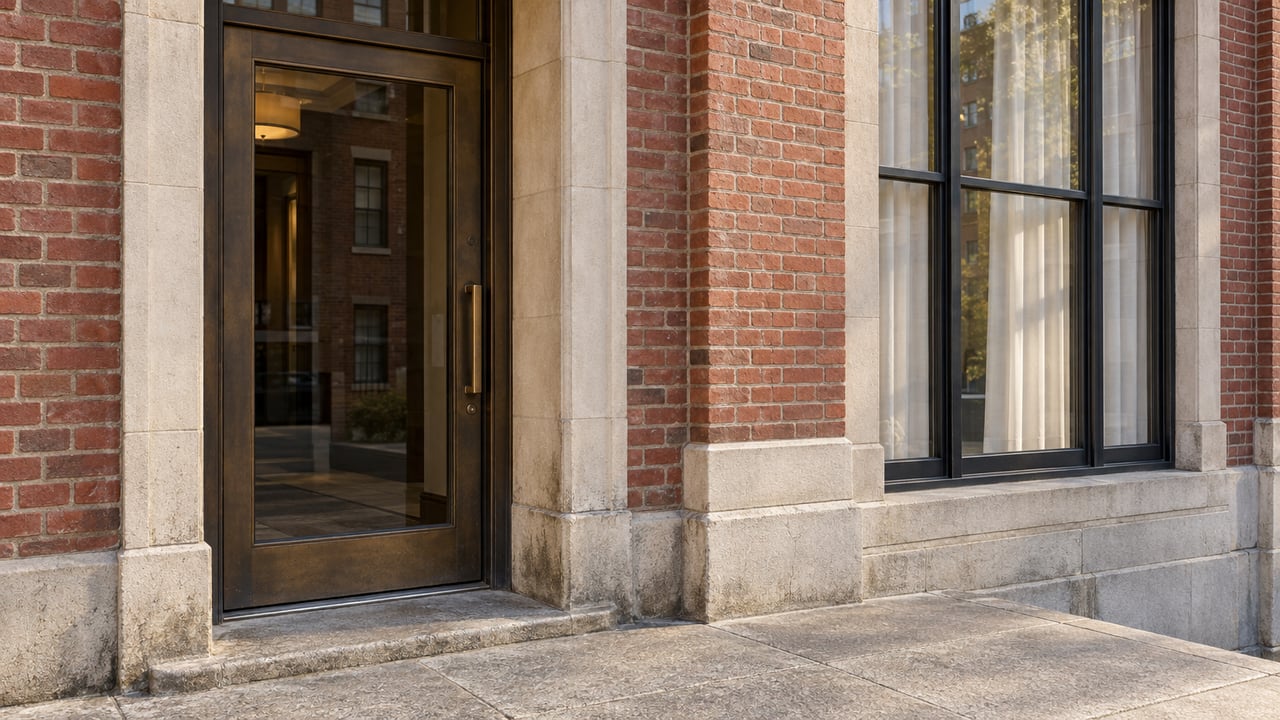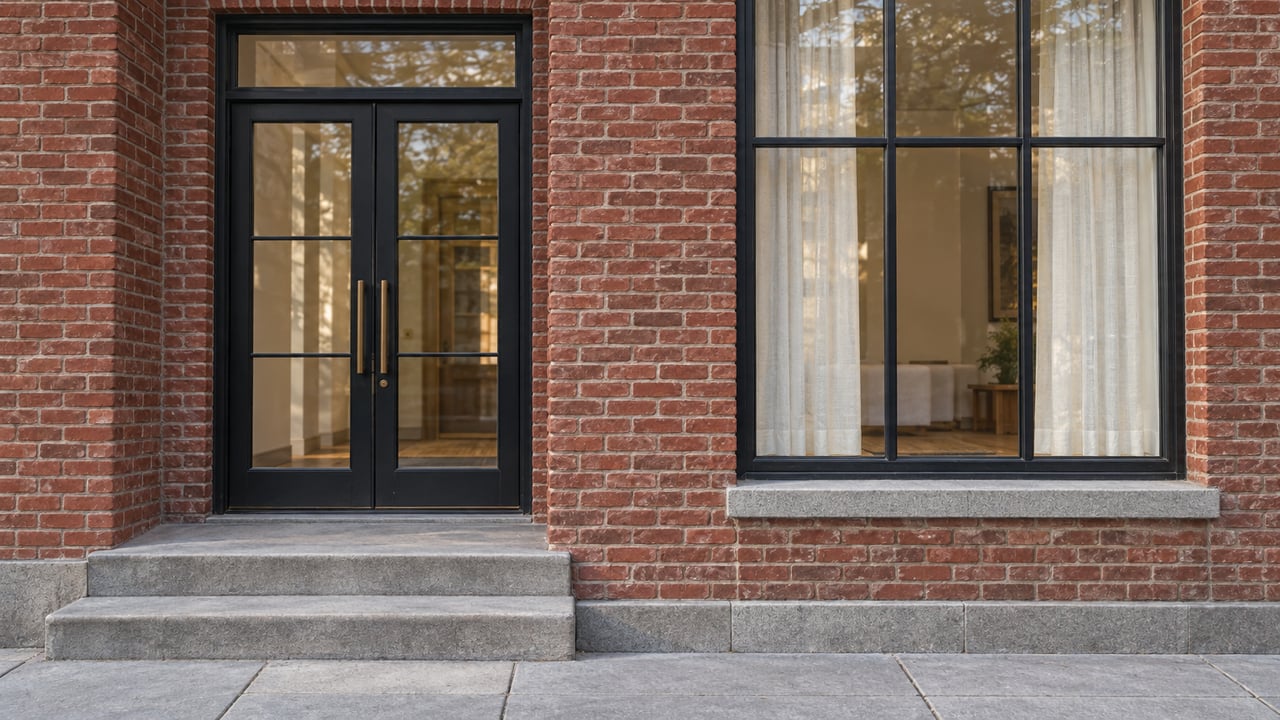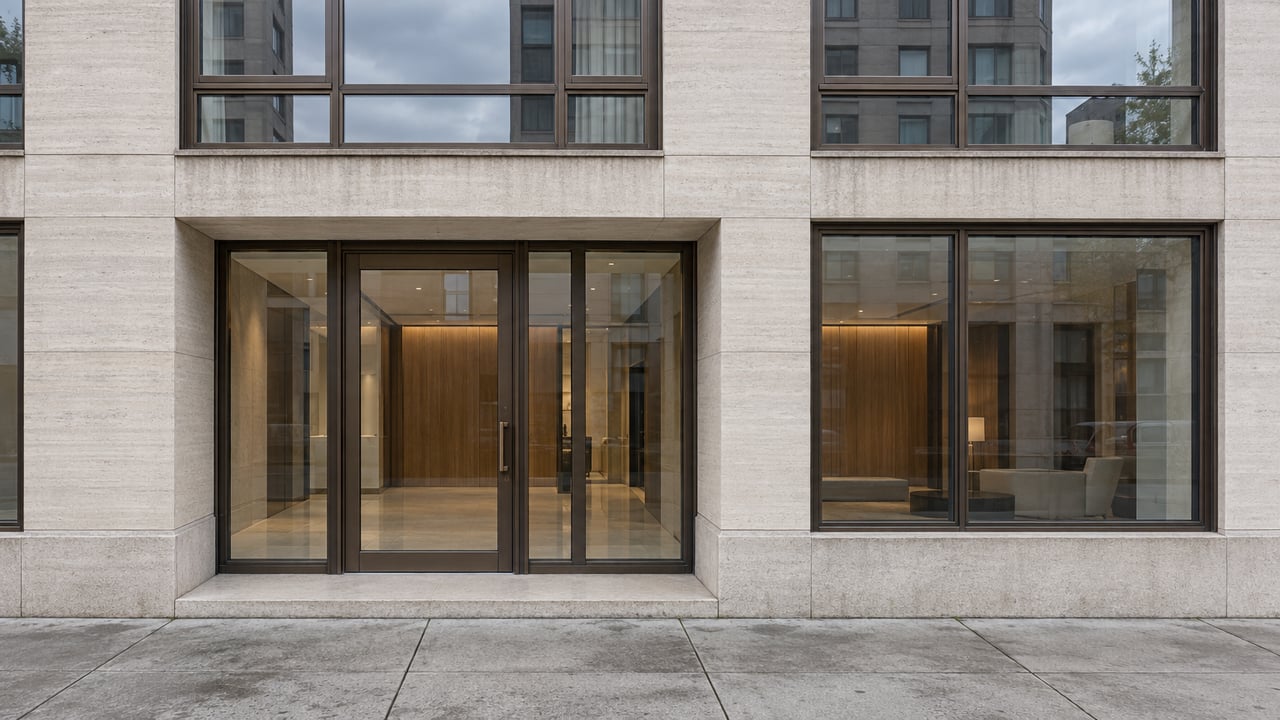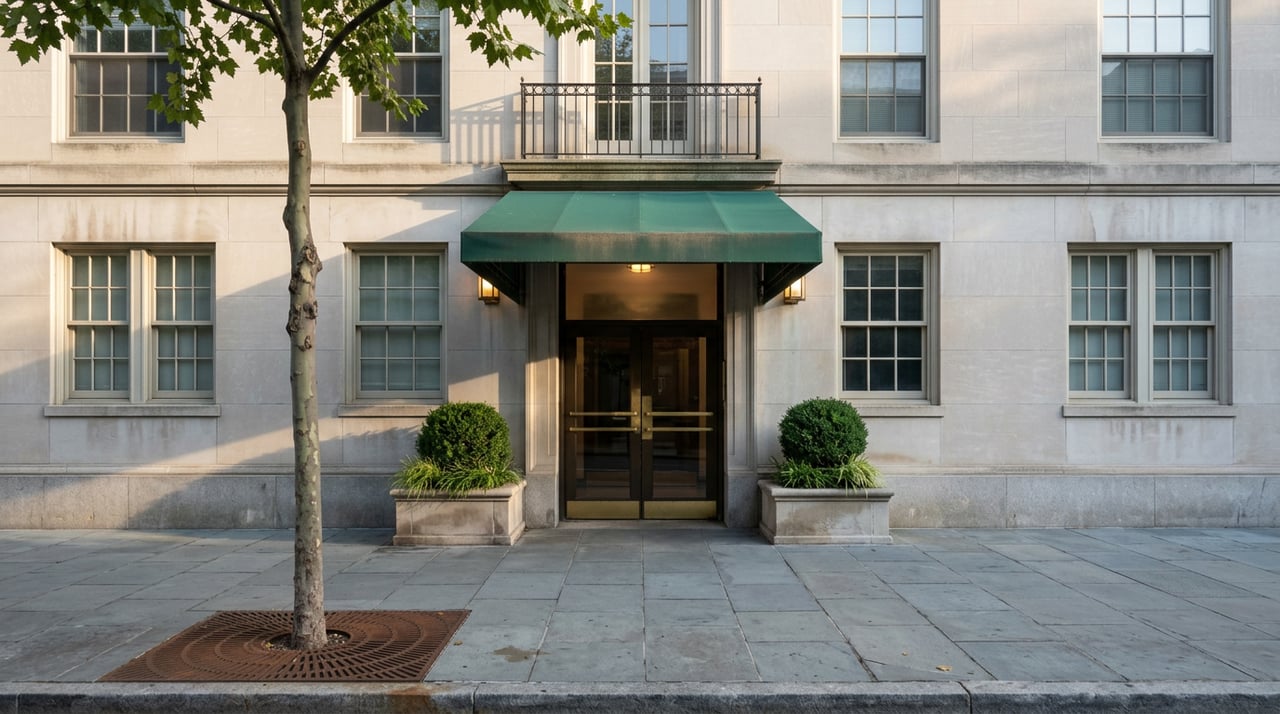
Walk out the door of a prewar co-op on Central Park West at six in the morning this week and you will not pass a coffee shop, a newsstand, or a dry cleaner. You will pass an awning, a doorman just coming off nights, and then the park. That is not an accident of this particular block. It is the whole avenue. Central Park West, from the Beresford down past the San Remo and the Dakota, is built almost entirely as a wall of grand residential facades facing the park. The retail that residents actually use every day, the record store, the coffee counter, the bodega, sits one avenue over, on Columbus, or two avenues over, on Amsterdam.
That split matters more than usual right now. Mid-August is the stretch when much of the park's summer programming winds down, while the neighborhood keeps running on its own two engines: the reservoir loop that never stopped all summer, and the ordinary storefronts on Columbus and Amsterdam that keep turning over with or without anyone watching. Neither of those engines is on Central Park West itself. That is the thing worth understanding about this address: it is where you live, not where you run your errands.
The Reservoir Doesn't Care What Just Closed for the Season
The Stephanie and Fred Shuman Reservoir Running Track is the one piece of park infrastructure on this side of Manhattan that has no season, no calendar, and no ticket. It is a 1.58-mile crushed-gravel loop that runs from 86th Street to 96th Street, spanning nearly the full width of the park, and it only goes one direction: counterclockwise. Enter from the west side at 86th or 96th and you are quickly on the far side of the water looking back at the skyline of your own avenue, the twin towers of the Eldorado near 90th, the San Remo further south, the Dakota closer to 72nd, all rendered as silhouette instead of front door.
Complete the full loop and you pass Engineer's Gate at Fifth Avenue and 90th, where a bronze Fred Lebow stands watching his stopwatch. Lebow founded the New York City Marathon and the loop is his monument as much as anyone's. The statue gets moved once a year, to the marathon finish line on race day, and then it comes back. That small ritual is a useful way to think about the reservoir generally. It is the one constant in a neighborhood where almost everything else, from concert programming to storefronts, has an end date.
Compare that to the Naumburg Orchestral Concerts, which just wrapped their 121st season on August 4 with Nosky's Baroque Band performing Torelli, Corelli, Telemann, and Bach at the Bandshell mid-park at 72nd Street. Free, no reservations, first come first served, since 1905. It is a genuinely lovely Tuesday-night tradition, and it is now over until next June. The loop, meanwhile, keeps the same hours it kept in July and will keep in October. If you want to know what actually structures a Central Park West resident's week in a month like this one, it is closer to the six a.m. loop than to any single event on a calendar.
The Storefronts Are a Block Over, and They Keep Changing
None of the retail turnover that has defined this stretch of the Upper West Side over the past year happened on Central Park West itself. It happened on the avenues around it. The storefront details below come from West Side Rag's reporting.
- Sweet Peanut Records, an independent shop carrying new and used vinyl, CDs, and audio equipment, opened July 18 at 463 Amsterdam Avenue, between 82nd and 83rd Streets, run by an Upper West Sider who spent years buying and selling records online before making the jump to a storefront.
- Caffè Aronne, a kosher-certified coffee shop that started as a catering brand in 2018, is opening a second location later this summer inside the Marlene Meyerson JCC at 334 Amsterdam Avenue, at 76th Street, with a service window on 76th Street itself for quick pickups.
- Wu's Dynasty, a traditional Cantonese restaurant from the founder of the Lower East Side's Wu's Wonton King, is set to open in August at 208 West 70th Street, replacing an Italian-American restaurant that had been there since 2020.
Meanwhile the one storefront most people on the upper stretch of Central Park West could actually name, the Central Park Grill & Juice Bar, a 24-hour bodega and deli at 405 Central Park West at 100th Street, is closed for renovation as new management takes over. It is the single retail change on the avenue itself this year, and it is a temporary closure of a utility shop, not a new destination opening. That is the pattern in miniature. Central Park West's rare storefronts tend to be functional, a bodega, a dry cleaner, a dental office expansion, while the actual churn of new restaurants, record shops, and coffee counters happens on the parallel avenues where the ground floors were built for retail in the first place.
The Park's Summer Calendar Is Winding Down
Naumburg's season is done for the year. What is still running is Smorgasburg's first-ever Central Park outpost, set up at the Columbus Circle entrance on West 59th Street through September 19, Thursday through Saturday, noon to 8 p.m., with more than 25 vendors rotating through each week. It is a genuinely new addition to the park's south end and worth the walk if you are near the low 90s or 100s, though it is worth being honest that a Thursday-afternoon food market at Columbus Circle reads more like an amenity for Lincoln Square and Midtown office workers than a fixture of daily life fourteen blocks north.
The Naumburg concert season ends for the summer on schedule. The reservoir loop and the storefronts on Columbus keep the same hours they always kept.
The other live option this month sits inside the neighborhood's actual civic anchor. The American Museum of Natural History's special exhibit "For the Win: Objects of Sports Excellence," timed to this year's World Cup, is on view now at the Melissa and Keith Meister Gallery, and the museum has a members' evening scheduled for Tuesday, August 25, from 6 to 8 p.m. Both require a ticket and neither is free in the way the Bandshell was, but both are a five-minute walk from most of the avenue's northern blocks, which is more than can be said for Columbus Circle.
The Two-Week Pocket Before September
Right now, in the two-week pocket before September, Naumburg's season is over, while Smorgasburg is still running and the museum has a members' evening scheduled; school and the fall calendar have not yet started. That leaves a genuine pocket where the neighborhood's everyday routines carry on alongside the remaining events. The reservoir loop does not know or care that Nosky's Baroque Band already played its last set of the year. Sweet Peanut Records does not need a concert to draw people in on a Saturday. The bodega at 100th Street will reopen on its own timeline, not the park's.
If you live along Central Park West, this is the stretch of the year when the difference between the avenue and the neighborhood is easiest to feel. The avenue is the address, the lobby, the doorman, and the park view. The neighborhood, the coffee, the record shop, the dim sum, the Saturday errands, is one block east, running on its own clock, indifferent to whatever just wrapped up in the park behind you.
That distinction is worth knowing whether you have lived here for twenty years or twenty months. The buildings that make Central Park West recognizable from a distance, the Eldorado, the San Remo, the Beresford, the Dakota, were never built to be Main Street. They were built to face the one thing in New York that does not need a storefront to draw a crowd every single morning of the year.
If you are thinking about what a move within this stretch of the Upper West Side actually looks like, from the co-op boards to what a given line in a building like the Eldorado or the San Remo will really cost you, Chana Ofek has spent two decades working this exact corridor and can walk you through it directly. Let's Connect.