Trying to choose between Prospect Heights and Park Slope can feel like comparing two great versions of Brooklyn living. Both give you beautiful streets, easy park access, and strong transit. The difference comes down to architecture, daily rhythm, and how you like to plug into culture and commute. In this guide, you’ll get a clear look at how each neighborhood lives day to day so you can decide which one fits your style and budget. Let’s dive in.
Quick neighborhood snapshot
Prospect Heights overview
Prospect Heights sits just north of Prospect Park with commonly cited boundaries at Atlantic Avenue to the north, Eastern Parkway and Grand Army Plaza to the south, Flatbush Avenue to the west, and Washington Avenue to the east. The north end includes the Vanderbilt rail yards and the Barclays Center near Atlantic and Flatbush. You’ll find a compact mix of rowhouse blocks and newer buildings clustered near Atlantic Terminal. The neighborhood also sits close to major cultural anchors and active dining corridors along Vanderbilt and Washington.
- Learn more about Prospect Heights boundaries on the neighborhood’s Wikipedia overview.
Park Slope overview
Park Slope runs along the west side of Prospect Park, with common boundaries from Prospect Park West to Fourth Avenue and roughly Flatbush Avenue down toward the Prospect Expressway. It is often described in three subareas: North Slope, Center Slope, and South Slope. The neighborhood is widely known for long, tree‑lined blocks of brownstones and rowhouses, and commercial life focused on Fifth and Seventh Avenues. The overall feel is cohesive and residential with steady, neighborhood‑scale retail.
- See the Park Slope summary for context and boundaries.
Architecture and housing styles
Prospect Heights homes
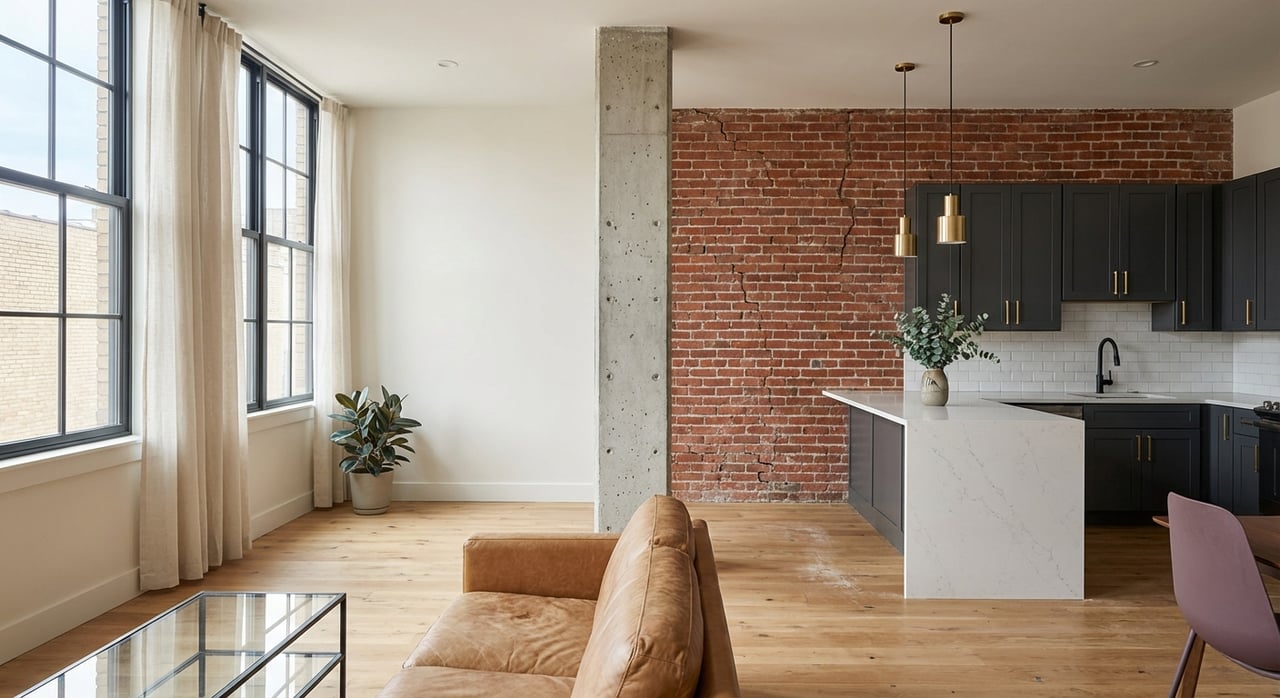
Much of Prospect Heights is late‑19th‑century Italianate and neo‑Grec rowhouses and brownstones, with prewar apartment houses mixed in. Near Atlantic Terminal and the Pacific Park area, you’ll see more mid‑ and late‑20th‑century buildings and modern condominiums. Some interior blocks have landmark protections that preserve scale and facades, while active development continues near the rail yards and major avenues. This creates real choice if you want a classic rowhouse street or a newer condo with amenities.
- Parts of Prospect Heights are protected within a city historic district. You can review the designation record on NYC Council Legistar.
Park Slope homes
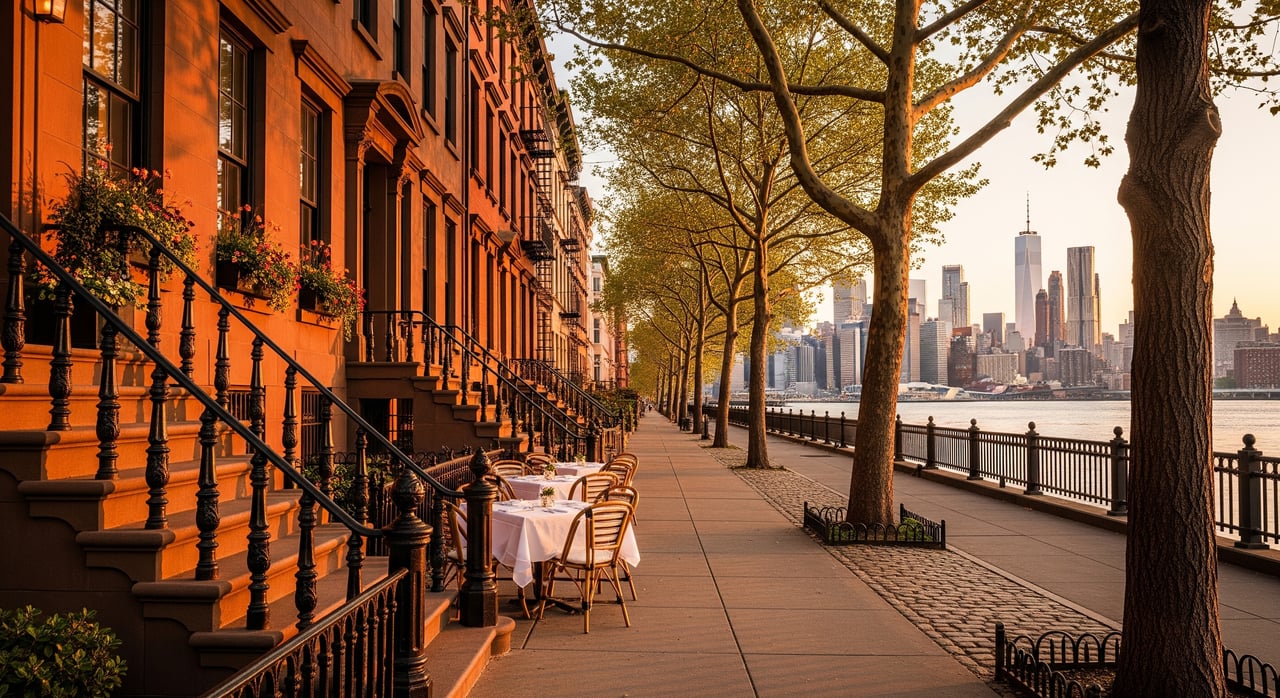
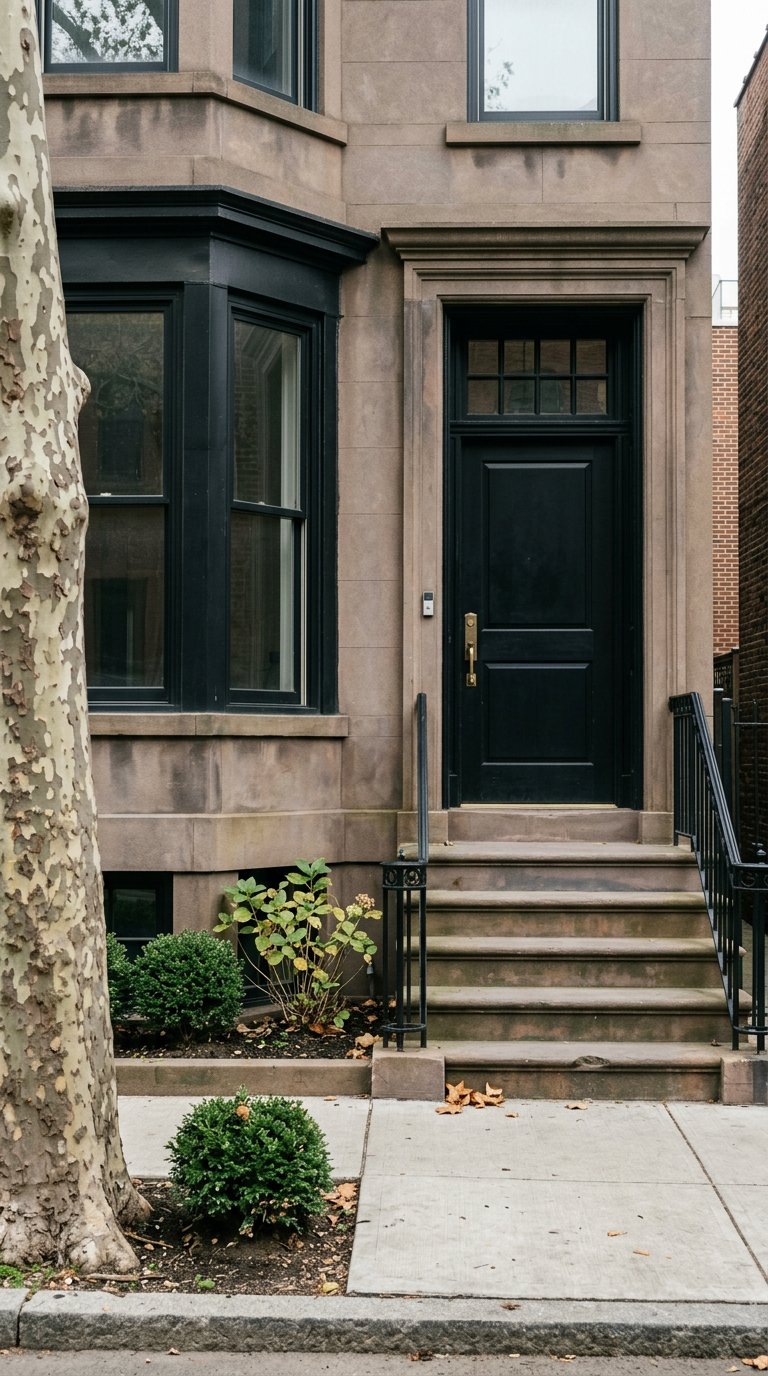
Park Slope is dominated by late‑19th and early‑20th‑century brownstones, limestone townhouses, and low‑rise prewar buildings. Much of the neighborhood sits within the Park Slope Historic District and later extensions, which help preserve the block‑by‑block character. That protection means the core housing stock stays largely consistent in height, facade detail, and streetscape. You’ll see renovated stoop townhouses and classic parlor‑floor apartments more often than large new towers in the historic core.
- The Landmarks Preservation Commission outlines the district’s protections in its Park Slope Historic District release.
Street feel and daily life
Main corridors
In Park Slope, Fifth and Seventh Avenues shape daily life with compact, walkable blocks of independent shops, cafés, and long‑running local businesses. The pace is steady and neighborhood‑scaled, with errands and dining often centered on the avenues. In Prospect Heights, Vanderbilt and Washington Avenues are the most active strips, with restaurants, wine bars, and newer spots that add evening energy. Atlantic Avenue near the terminal and arena has a more regional, high‑traffic feel, especially during events, while brownstone side streets read quieter.
- For a sense of Park Slope’s retail rhythm, see the MTA’s neighborhood guide.
Markets and groceries
Both neighborhoods share a major weekend anchor at the Grand Army Plaza Greenmarket, which draws residents for fresh produce year‑round. Park Slope also has a long‑standing food cooperative that shapes some residents’ weekly routines. Prospect Heights and the Atlantic Terminal area offer larger supermarket options near the transit hub, which can be convenient for bigger weekly shops. Your grocery pattern may come down to whether you prefer a cooperative model or a quick-stop near major transit.
- Explore the Grand Army Plaza Greenmarket.
- Learn about the Park Slope Food Coop.
Nightlife and dining
Park Slope’s nightlife tends to be low‑key and local, with neighborhood bars, small restaurants, and cafés clustered on Fifth and Seventh. Prospect Heights ranges from intimate spots along Vanderbilt and Washington to higher‑traffic activity around Barclays Center on event nights. A few blocks can make a big difference in evening noise and foot traffic. If you value quiet nights, consider interior blocks in either neighborhood and factor in proximity to the arena when looking in Prospect Heights.
Culture, parks, and green space
Prospect Park access
Both neighborhoods border Prospect Park, which is a central part of daily life for many residents. Designed by Olmsted and Vaux, the park offers meadows, a lake, playgrounds, and bandshell concerts, plus year‑round programs. Easy access to the park is a shared advantage that supports running, biking, picnics, and seasonal events. Programming and operations are led by the Prospect Park Alliance.
- Get familiar with park programs via the Prospect Park Alliance.
Museums and gardens
Prospect Heights sits very close to major cultural institutions on Eastern Parkway. Many blocks are a short walk to the Brooklyn Museum and the Brooklyn Botanic Garden, which brings a daytime cultural beat to the neighborhood. This proximity is a real perk if you value quick access to exhibits, gardens, and special events.
- Plan a visit with the Brooklyn Museum’s directions.
Seasonal festivals
BRIC’s Celebrate Brooklyn! at the Prospect Park Bandshell and other park programming bring seasonal concerts and events. Residents near Grand Army Plaza and the park edge often find it easy to tap into these without planning a long trip. These spikes in activity add culture to your calendar and define summer evenings in this part of Brooklyn.
- See the current lineup on BRIC’s Celebrate Brooklyn! page.
Transit and commute
Atlantic Terminal advantage
The Atlantic Avenue–Barclays Center complex is the largest transit hub near both neighborhoods, linking multiple subway lines and the LIRR at Atlantic Terminal. If you want the most transfer options or need frequent regional rail, living close to the terminal’s Prospect Heights edge can be a daily time saver. It also means more daytime and event‑time foot traffic near the arena, which you may see on your block depending on location.
- Review the Atlantic Avenue–Barclays Center station overview.
Train lines to know
Prospect Heights benefits from local stations like Bergen Street, Grand Army Plaza, and Eastern Parkway, which provide 2 and 3 service and quick access to Downtown Brooklyn and Manhattan. The neighborhood also connects to the Brighton line at Seventh Avenue for the B and Q. Park Slope enjoys strong local service on the F and G along the IND Culver line at 7th Avenue and 15 Street–Prospect Park, plus easy access to Atlantic Avenue. In both areas, exact commute times depend on your specific block and chosen line, but transit density is a shared strength.
- See the Bergen Street station for 2 and 3 service details.
- The MTA’s Park Slope guide includes practical neighborhood access notes.
Market snapshot and price context
Early 2026 neighborhood snapshots show a median sale price around 1.49 million dollars for Prospect Heights and around 1.95 million dollars for the Park Slope Historic District. These medians blend townhouses, co‑ops, condos, and small multi‑family sales, so product mix shapes each number. Park Slope’s higher median reflects deep inventory of preserved brownstones on long, cohesive blocks and steady demand for historic housing. Prospect Heights includes more mid‑rise apartments and newer condo product near Atlantic Terminal, which spreads pricing across a wider range.
What you should take from this: both neighborhoods offer renovated townhouses and high‑end finishes, but you will likely see a broader variety of building types in Prospect Heights. In Park Slope’s historic core, renovated stoop homes and classic prewar layouts are common, while larger amenity buildings often sit near the edges and avenues. Always weigh micro‑location, building type, and renovation quality when comparing list prices.
How to choose your fit
Use this quick checklist to align your lifestyle with a neighborhood:
- Architecture first. If you want a landmarked brownstone block and a classic stoop lifestyle, focus on Park Slope’s historic district.
- Culture at your doorstep. If you want to walk quickly to the Brooklyn Museum, the Botanic Garden, or arena events, Prospect Heights often wins on proximity.
- Street vibe. If you prefer quieter evenings on interior blocks, Park Slope broadly trends calmer, while Prospect Heights can see event‑related surges near Barclays Center.
- Commute priorities. If you want the largest transfer hub and LIRR access, living near Atlantic Terminal on the Prospect Heights edge helps. If you like multiple local subway options strung along the park, Park Slope’s F and G access is convenient.
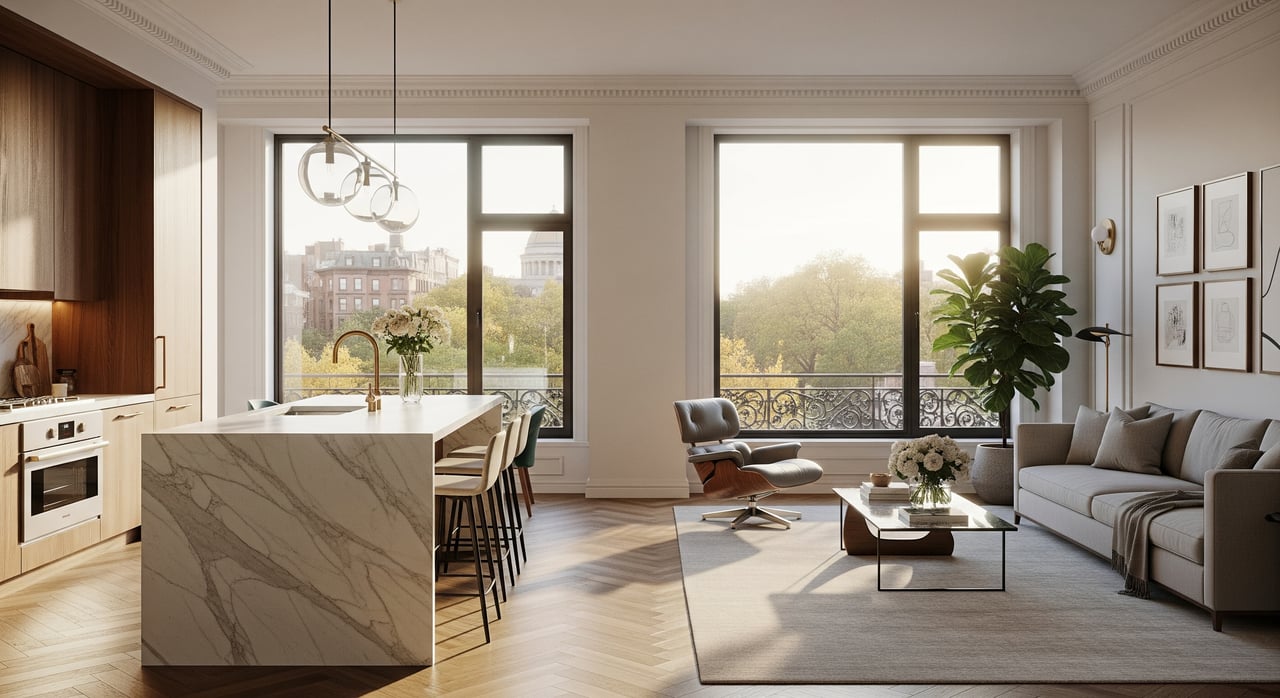
- Amenities mix. If a newer condo with doorman, gym, or parking is on your list, Prospect Heights near Atlantic and Eastern Parkway offers more of that product. If you want classic prewar charm on consistent brownstone streets, Park Slope’s core blocks deliver.
Next steps
If you are still torn, tour a few blocks in each neighborhood at different times of day and ride your likely commute routes. Pay attention to the avenue you will use most, your preferred greenmarket or grocery routine, and how you feel on the side streets at night. When you are ready to compare listings by block, building type, and renovation quality, reach out for a curated search.
For hands‑on guidance across rentals, condo and co‑op purchases, or a tailored seller strategy with design‑minded presentation, connect with Chana Ofek. We pair neighborhood expertise with responsive, boutique service so you can move with confidence.
FAQs
What is the biggest architecture difference between Prospect Heights and Park Slope?
- Park Slope’s core is a large historic district with long stretches of preserved brownstones, while Prospect Heights combines protected rowhouse blocks with pockets of mid‑rise and newer condo buildings near Atlantic Terminal.
How does transit compare for Manhattan commutes?
- Both are transit‑rich; Prospect Heights sits near Atlantic Terminal and multiple 2, 3, B, and Q stops, while Park Slope offers F and G service along the avenues and easy access to Atlantic Avenue.
Is Prospect Park equally accessible from both neighborhoods?
- Yes, both border Prospect Park, so you can enjoy meadows, the lake, playgrounds, and seasonal concerts managed by the Prospect Park Alliance.
Where are the main shopping and dining streets in each area?
- Park Slope centers on Fifth and Seventh Avenues, while Prospect Heights focuses on Vanderbilt and Washington Avenues, with Atlantic Avenue bringing higher traffic near the terminal and arena.
How do home prices compare in early 2026?
- Snapshot medians suggest Prospect Heights around 1.49 million dollars and the Park Slope Historic District around 1.95 million dollars, with differences tied to housing stock and product mix.